
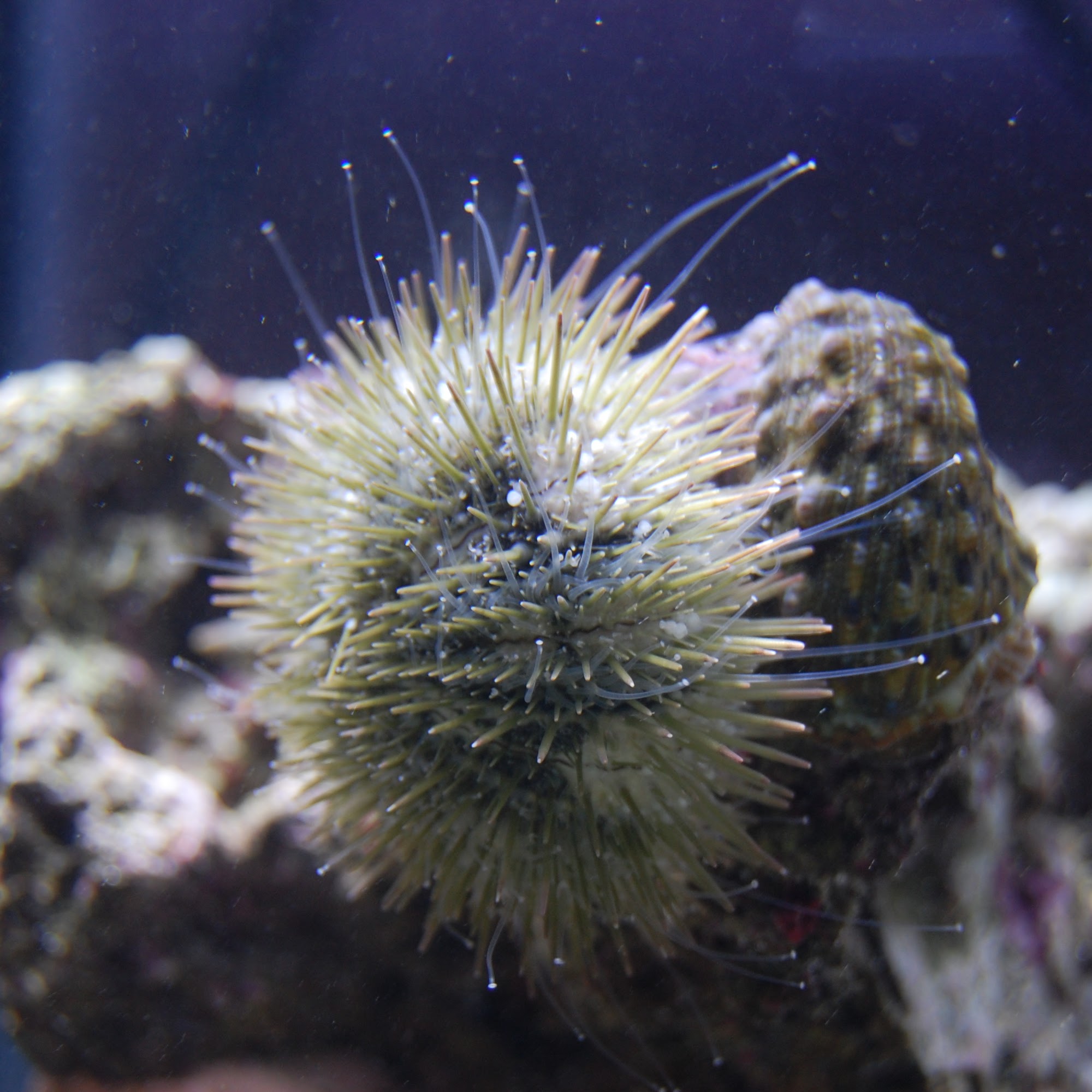
White Pincushion Urchin Care Guide for Reef Aquariums
The White Pincushion Urchin (Lytechinus sp.) is a hardworking and surprisingly charming addition to many saltwater tanks. Known for its tidy appetite and eye-catching, snowy spines, this urchin can help control nuisance algae while adding unique movement and texture to your aquascape.
White Pincushion Urchin Overview
White Pincushion Urchins are small, round echinoderms covered in short, stiff spines. They are generally peaceful and spend most of their time grazing on rockwork and glass. While they’re not as flashy as some fish or corals, their constant activity and quirky behavior make them a favorite among invertebrate enthusiasts.
- Scientific group: Lytechinus species
- Temperament: Peaceful, reef-safe with caution
- Adult size: Typically 2–3 inches in diameter
- Diet: Algae, film algae, and detritus
- Lifespan: Several years with proper care
Tip: A stable, mature reef system provides the best environment for a White Pincushion Urchin, with plenty of natural algae for grazing.
Tank Requirements & Care
These urchins are fairly hardy once acclimated, but they do have specific needs. Good water quality and stable parameters are essential.
Water Parameters
- Temperature: 72–78°F (22–26°C)
- Salinity: 1.024–1.026 specific gravity
- pH: 8.1–8.4
- Alkalinity: 8–12 dKH
- Ammonia & Nitrite: 0 ppm; Nitrate: <10–15 ppm
Because urchins rely on calcium and other minerals for their tests (shells) and spines, they do best in tanks that maintain appropriate reef tank parameters for stony corals and other calcifying invertebrates.
Tank Size & Aquascape
- Minimum tank size: 30 gallons, larger preferred for long-term care
- Provide ample live rock with algae growth for natural grazing
- Ensure rockwork is stable; urchins can push and shift loose pieces
- Use secure mounting for decorations that might be knocked over
White Pincushion Urchins are known for “decorating” themselves by carrying small items on their spines. This can include shells, macroalgae, and even loose coral plugs, so keep valuable pieces firmly in place.
Feeding, Compatibility & Reef Safety
In a well-established aquarium, a White Pincushion Urchin will graze on film algae, coralline algae, and detritus throughout the day and night. However, if your tank is very clean, supplemental feeding is important.
Feeding Tips
- Offer dried seaweed (nori) clipped near their favorite grazing spots
- Supplement with algae wafers or herbivore pellets as needed
- Monitor body condition; a shrinking or hollow-looking test can signal starvation
Most White Pincushion Urchins are compatible with peaceful reef fish and invertebrates. Avoid housing them with aggressive predators such as large triggers or puffers that may nip at their spines. While generally reef safe, they may scrape coralline algae and can irritate corals if they crawl over them constantly.
For more in-depth guidance on building a compatible cleanup crew, see our article on reef cleanup crew planning. If you’re just starting out in the hobby, our beginner reef tank setup guide is also a helpful resource.
With stable water conditions, plenty of rockwork, and a consistent food source, the White Pincushion Urchin can be a long-lived and effective member of your reef aquarium’s cleanup crew.