
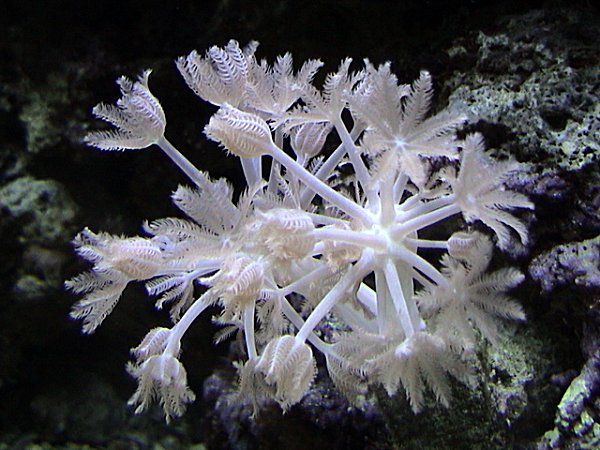
Photo: Dawson at English Wikipedia., CC BY-SA 2.5 https://creativecommons.org/licenses/by-sa/2.5, via Wikimedia Commons
If you’ve spent any time on reef forums or social media, you’ve probably met the irresponsible reefer. Maybe it’s the person who tosses a tang into a 20-gallon tank, or the hobbyist who buys every new coral before learning what alkalinity even is. The truth is, most of us have had irresponsible moments in this hobby — the danger is staying in that mindset.
This post isn’t about shaming people. It’s about recognizing the patterns that lead to disaster and turning them into habits that build thriving reef tanks instead of expensive piles of dead rock.
What Makes Someone an “Irresponsible Reefer”?
Irresponsibility in reefing rarely comes from bad intentions. It usually comes from impatience, shortcuts, and a lack of planning. Common red flags include:
- Skipping the nitrogen cycle and adding fish on day one because “the store said it’s fine.”
- Ignoring quarantine and introducing fish directly, spreading parasites through the display.
- Impulse buying corals and fish without checking compatibility, size, or care level.
- Overstocking and overfeeding, then blaming “bad luck” when algae and disease explode.
- Chasing numbers with constant dosing changes instead of building stability.
Responsible reefing isn’t about perfection. It’s about making deliberate choices that put the long-term health of your animals first.
If you’re new to the hobby and still learning the basics of setup and equipment, start with our overview on beginner reef tank setup so you’re not building on a shaky foundation.
From Irresponsible to Intentional: Building Better Habits
Turning things around doesn’t require fancy gear. It requires a shift in mindset. Here are practical ways to move from chaotic to consistent:
1. Slow Down Your Stocking
Add livestock on a schedule, not on a whim:
- Introduce one fish at a time, then wait 2–4 weeks.
- Research adult size, temperament, and diet before buying anything.
- Plan a final stocking list that fits your tank volume and filtration.
2. Respect Quarantine and Acclimation
Quarantine is cheaper than wiping out your display:
- Use a simple bare-bottom tank with a sponge filter and PVC for hiding.
- Observe new fish for at least 2–4 weeks for signs of disease.
- Acclimate slowly to avoid shock from changes in salinity and temperature.
For a deeper dive into keeping your fish healthy from day one, check out our guide to reef tank quarantine basics.
3. Prioritize Stability Over Perfection
Most reefs fail from instability, not from being a point or two off “ideal” parameters. Focus on:
- Consistent salinity with an auto top-off or careful manual top-offs.
- Regular testing of alkalinity, calcium, nitrate, and phosphate.
- Small, routine water changes instead of emergency 50% changes.
If algae is pushing you toward drastic moves, read our post on controlling reef tank algae before you tear the system apart.
Why Responsible Reefing Matters
Every fish, coral, and invertebrate in your tank was taken from or bred because of the ocean. Being a responsible reefer means honoring that cost. When we plan, quarantine, and practice patience, we:
- Lose fewer animals to preventable mistakes.
- Spend less money replacing livestock and chasing quick fixes.
- Enjoy a more stable, beautiful reef for years instead of months.
You might recognize some irresponsible habits in your own journey — that’s normal. What matters is what you do next. Start with one change: set up a quarantine tank, slow down stocking, or commit to weekly testing. Step by step, you’ll move from being the irresponsible reefer to the aquarist whose tank others look up to.