
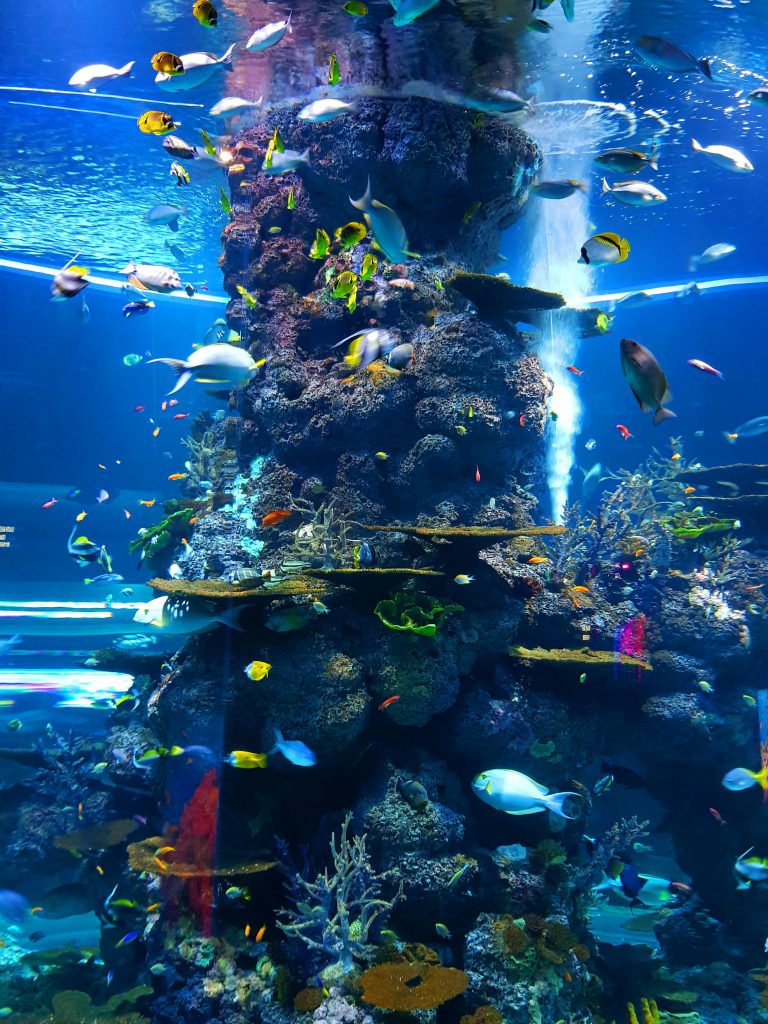
Choosing reef safe fish is one of the most important decisions you’ll make when building a thriving saltwater aquarium. The right fish will bring color, movement, and personality to your reef without nipping corals, eating invertebrates, or constantly stirring up trouble. This guide walks you through how to pick reef compatible fish, which species to consider, and how to avoid common stocking mistakes.
What Makes a Fish “Reef Safe”?
“Reef safe” usually means a fish is unlikely to eat or damage corals and is generally peaceful toward invertebrates like shrimp, snails, and crabs. However, there’s a spectrum:
- Reef safe: Rarely bothers corals or inverts when well fed.
- Reef safe with caution: May nip at fleshy corals or pick at clams, especially if underfed or cramped.
- Not reef safe: Known coral eaters or invertebrate hunters.
Before you buy any fish, research its typical diet, adult size, and behavior. If you’re still planning your system, our Saltwater Aquarium Setup Guide is a good place to start.
Beginner-Friendly Reef Safe Fish
These species are widely considered reliable choices for mixed reef tanks when housed and fed properly.
1. Clownfish (Amphiprion species)
Clownfish are hardy, colorful, and stay relatively small. They generally ignore corals and will often host in anemones or soft corals.
- Tank size: 20+ gallons for a pair
- Temperament: Semi-aggressive, especially near their territory
- Tip: Introduce them early in your stocking plan to reduce territorial disputes.
2. Gobies and Blennies
Many gobies and blennies are peaceful, stay small, and are excellent utility fish.
- Watchman gobies pair well with pistol shrimp and help keep sand beds active.
- Tailspot and lawnmower blennies are great algae grazers.
- Tip: Provide rockwork with plenty of holes and ledges for hiding and perching.
3. Fairy and Flasher Wrasses
Fairy and flasher wrasses are colorful, active swimmers that usually leave corals and inverts alone.
- Tank size: 55+ gallons for most species
- Temperament: Peaceful to semi-aggressive; best kept with a tight lid as they are jumpers.
- Tip: Offer a variety of frozen and high-quality pellet foods to keep them satisfied.
4. Dwarf Angelfish – With Caution
Dwarf angels like the coral beauty or flame angelfish are often labeled “reef safe with caution.” Many hobbyists keep them successfully, but occasional coral nipping is possible.
Pro tip: If you try a dwarf angel, avoid high-value fleshy LPS corals and keep the fish well fed to reduce the urge to pick.
Stocking Tips for a Peaceful Reef Tank
Even the most reef safe fish can cause issues if the tank is overcrowded or poorly planned. Use these guidelines to keep the peace:
- Plan your fish list first: Map out final adult sizes and territories before buying anything.
- Add peaceful fish first: Introduce shy or timid species before more assertive ones.
- Feed appropriately: Underfed fish are more likely to nip at corals or inverts.
- Quarantine new arrivals: Reduce disease risk and observe behavior before adding to the display.
- Match fish to tank size: Active swimmers like tangs need longer tanks; avoid cramming large species into small systems.
For more help planning a balanced community, check out our Saltwater Fish Stocking Ideas and our guide to Clean-Up Crew for Reef Tanks.
With a bit of research and a thoughtful stocking plan, you can enjoy a vibrant reef aquarium where fish, corals, and invertebrates all thrive together. Start with proven reef safe species, add slowly, and observe your tank daily—your reef will reward you with years of color and activity.