Red War Favia
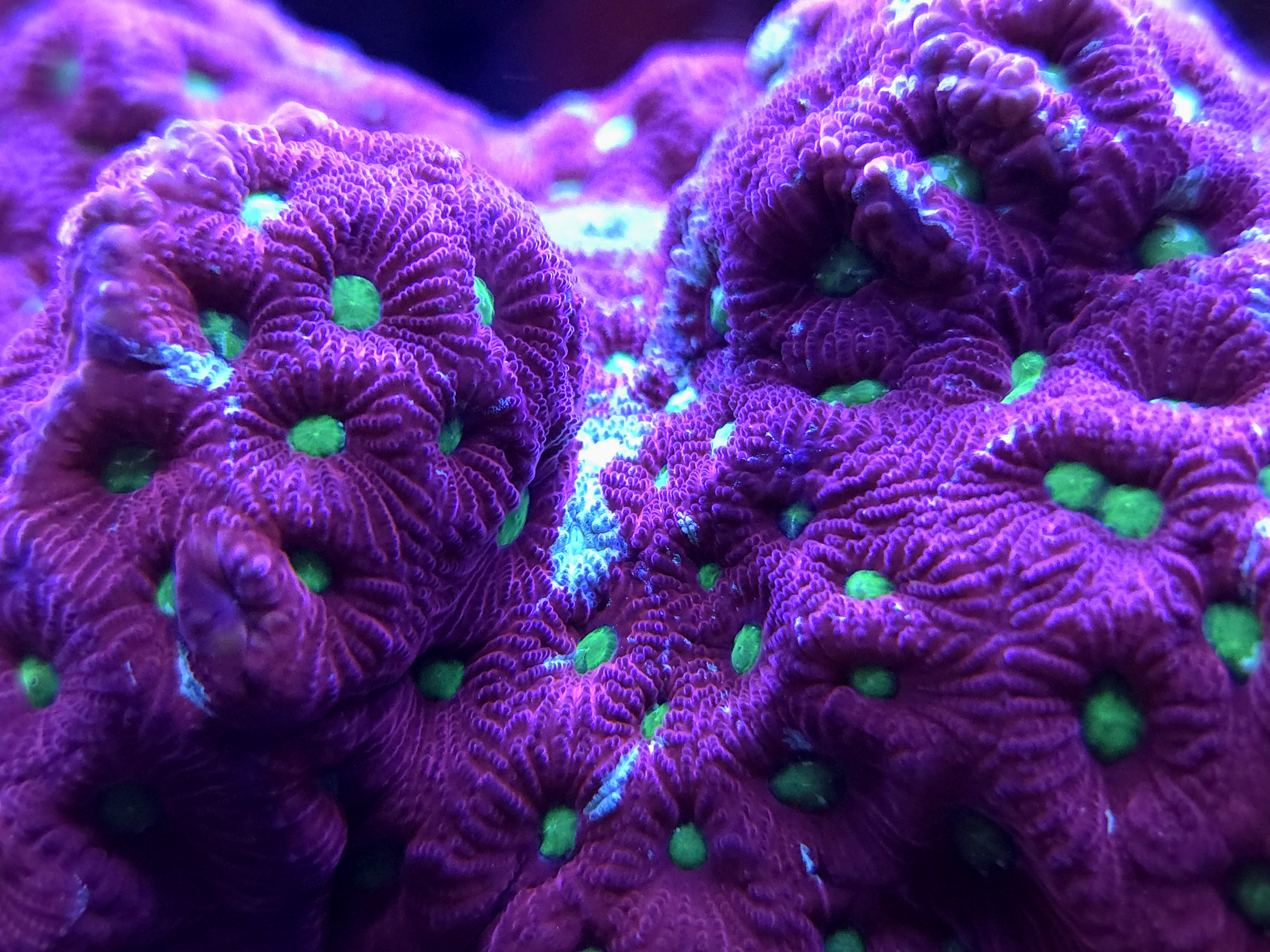
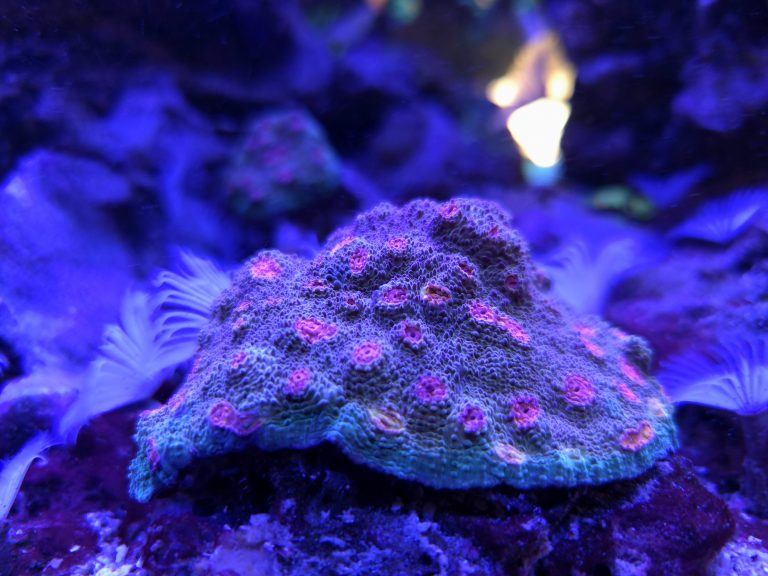
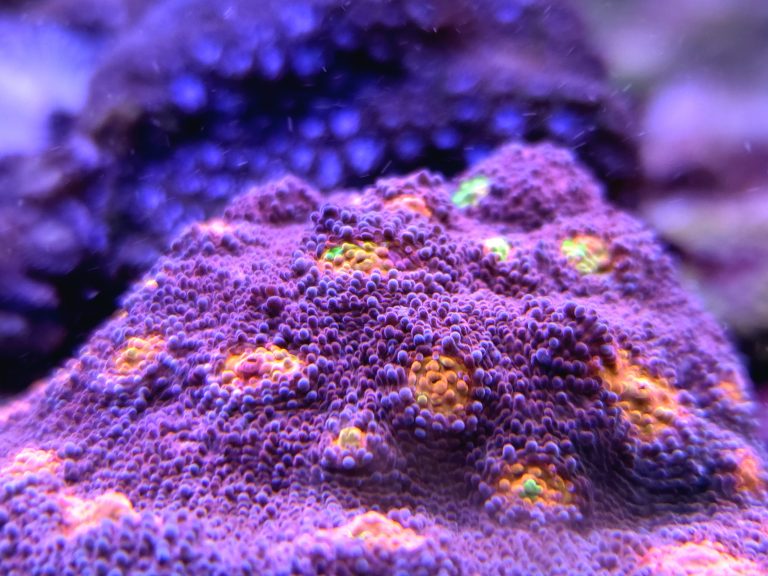
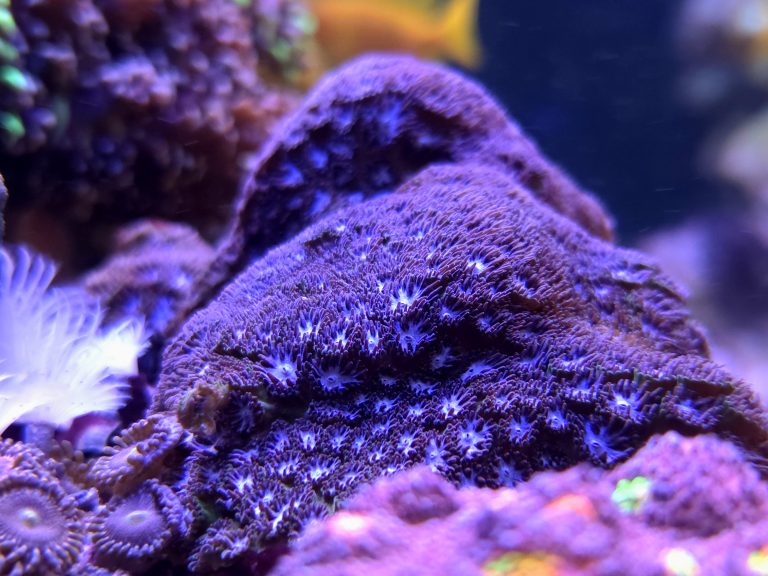
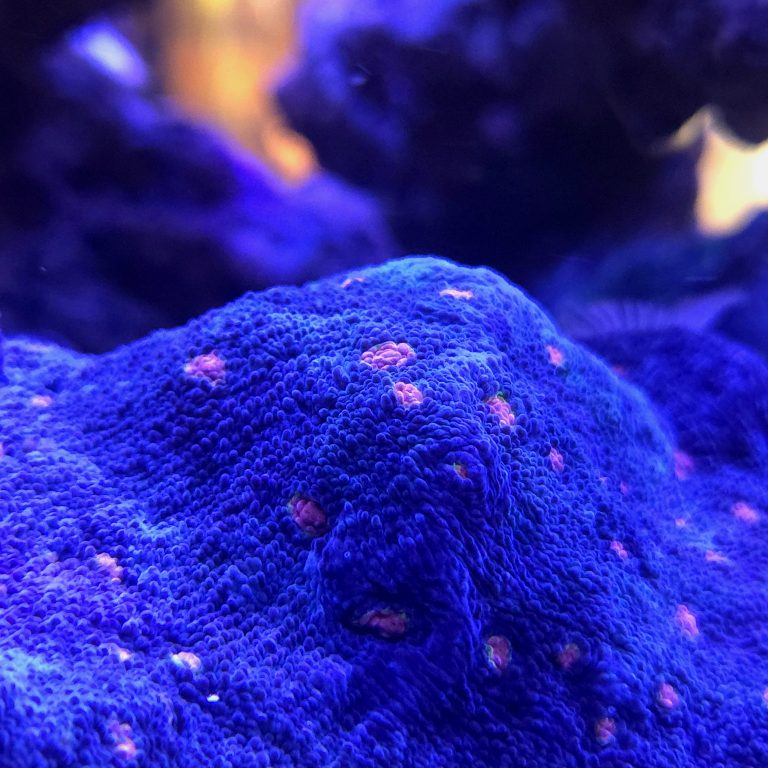
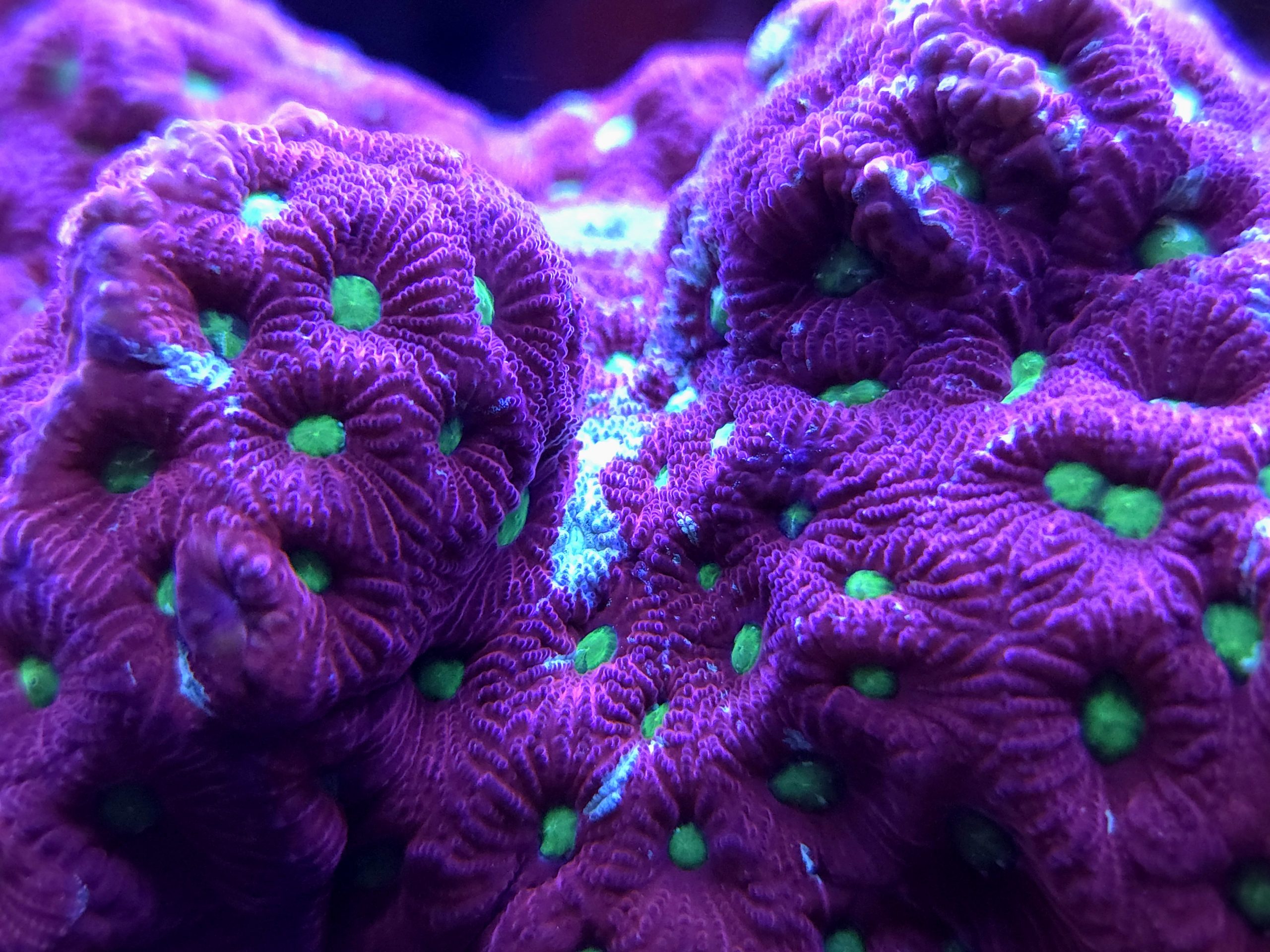
The Red War Favia is a bold, eye-catching LPS coral. Its deep red flesh and bright green eyes stand out in any reef. With the right care, it grows into a dense, colorful colony.
Red War Favia Basics and Placement
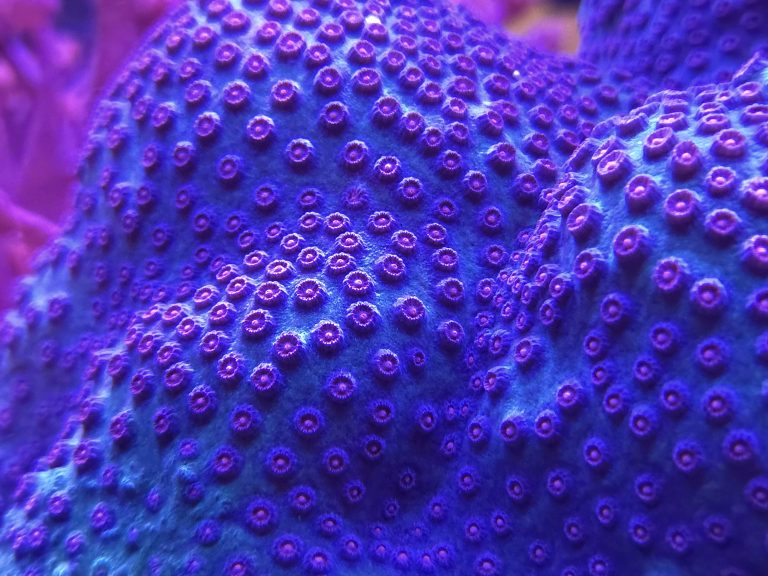
Red War Favia is a hardy brain coral from the Faviidae family. It suits beginner to intermediate reef keepers. It grows as an encrusting to dome-shaped colony. Each polyp has a bright green center surrounded by red tissue.
Target stable reef parameters. Aim for 76–79°F, salinity 1.025–1.026, and pH 8.1–8.4. Keep alkalinity between 8–9.5 dKH and calcium around 420–450 ppm. Magnesium should sit near 1300–1400 ppm. Stability matters more than chasing exact numbers.
Place Red War Favia in the lower half of the tank. It prefers moderate light and moderate flow. Under strong LEDs, start it in shaded areas. Slowly move it brighter over 2–3 weeks. This prevents bleaching and tissue recession.
Use these placement tips for best results:
- Keep PAR between 80–150 for most tanks.
- Avoid direct, blasting flow from powerheads.
- Give at least 2–3 inches of space from other corals.
- Mount on stable rock, not loose rubble.
Feeding, Growth, and Troubleshooting
Red War Favia is photosynthetic but loves extra feeding. It extends feeder tentacles after lights out. Target feed 2–3 times per week. Use small meaty foods like mysis, reef roids, or finely chopped shrimp. Turn off flow for 10–15 minutes during feeding.
Healthy colonies show inflated tissue and clear polyp mouths. Color should stay rich and not fade. Growth appears as new eyes forming around the edges. Expect slow to moderate growth, about a few new polyps each month.
Common problems usually trace back to light, flow, or aggression. Red War Favia has long sweeper tentacles. These can reach 2–3 inches at night. They can sting nearby SPS and LPS.
Watch for these warning signs and fixes:
- Pale tissue: reduce light intensity or lower the coral.
- Receding edges: check alkalinity swings and nitrates (keep 5–15 ppm).
- Brown jelly or rot: frag away affected area and increase flow slightly.
For long-term success, follow a simple routine:
- Test alkalinity and calcium at least weekly.
- Perform 10–15% water changes every 1–2 weeks.
- Acclimate new frags with a 30–45 minute drip method.
- Quarantine new corals to avoid pests like flatworms.
With stable water, gentle placement, and regular feeding, Red War Favia becomes a reliable showpiece. It adds intense contrast and movement to any mixed reef.
Add to Wishlist