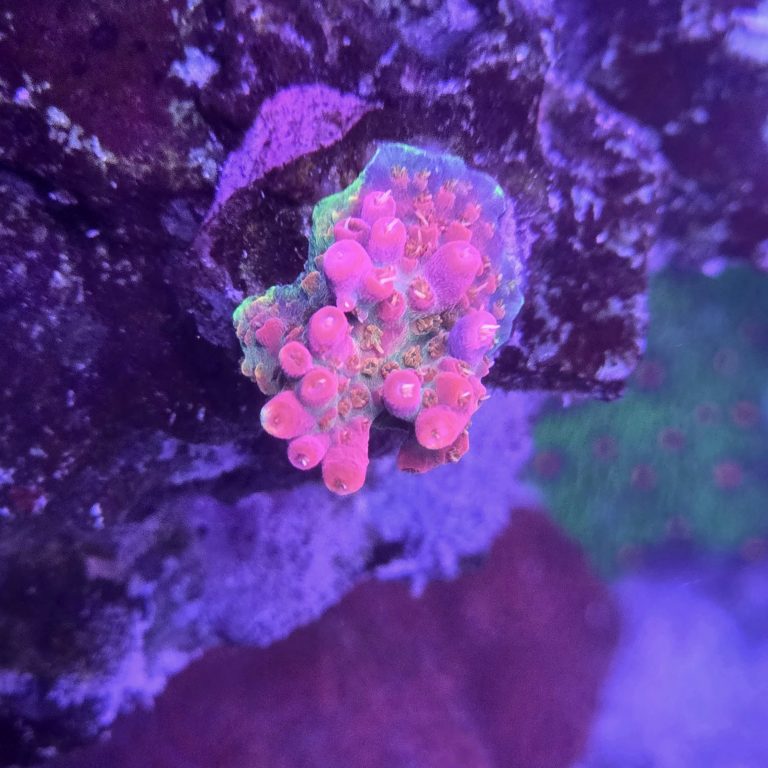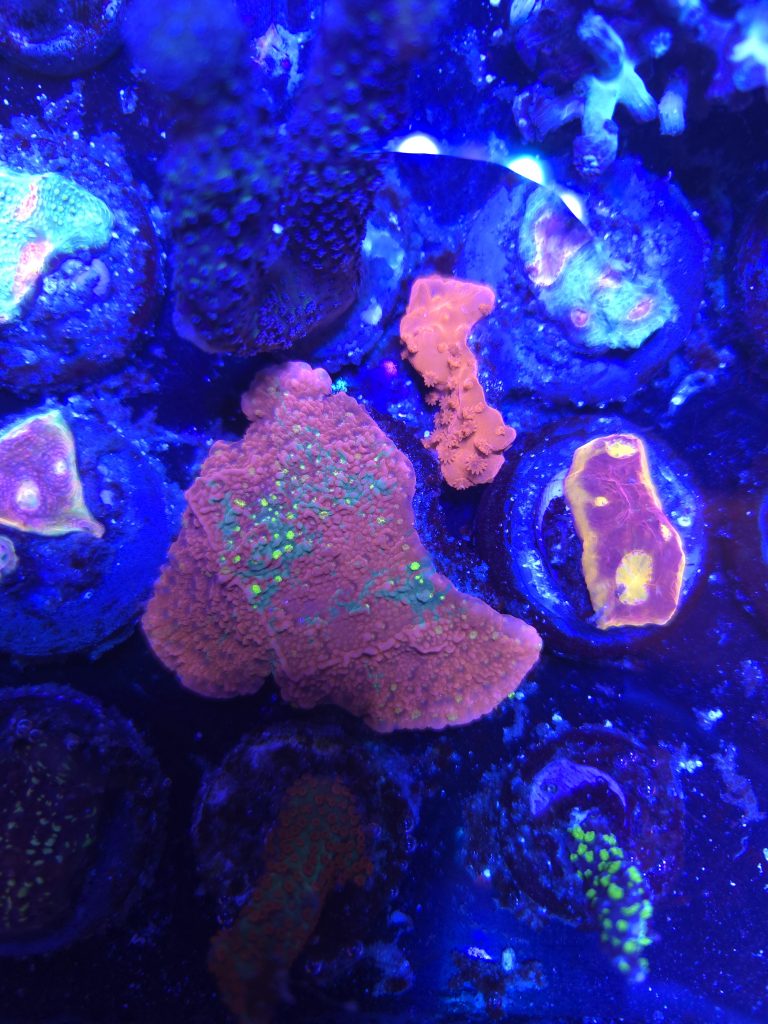
Purple Milka Stylophora
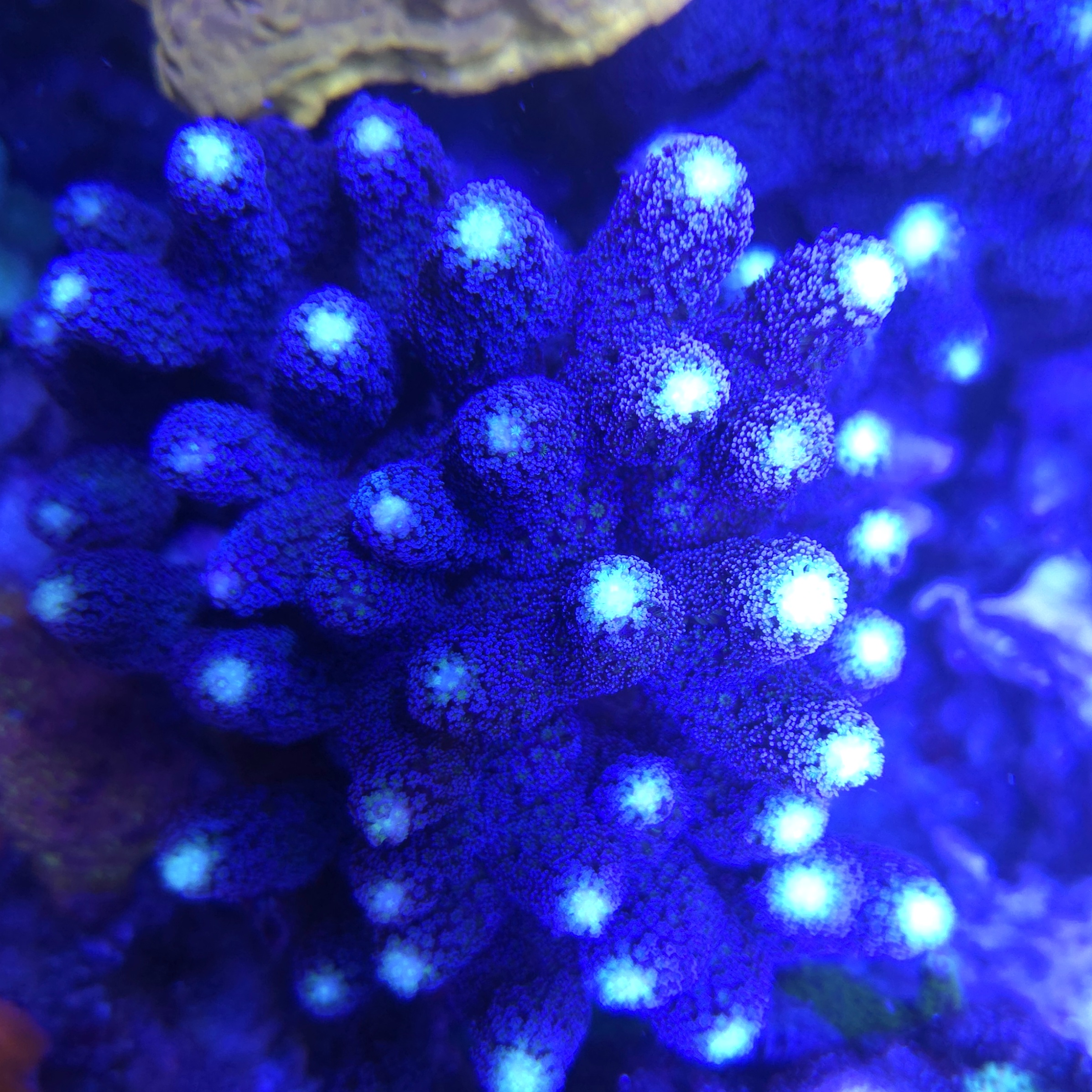
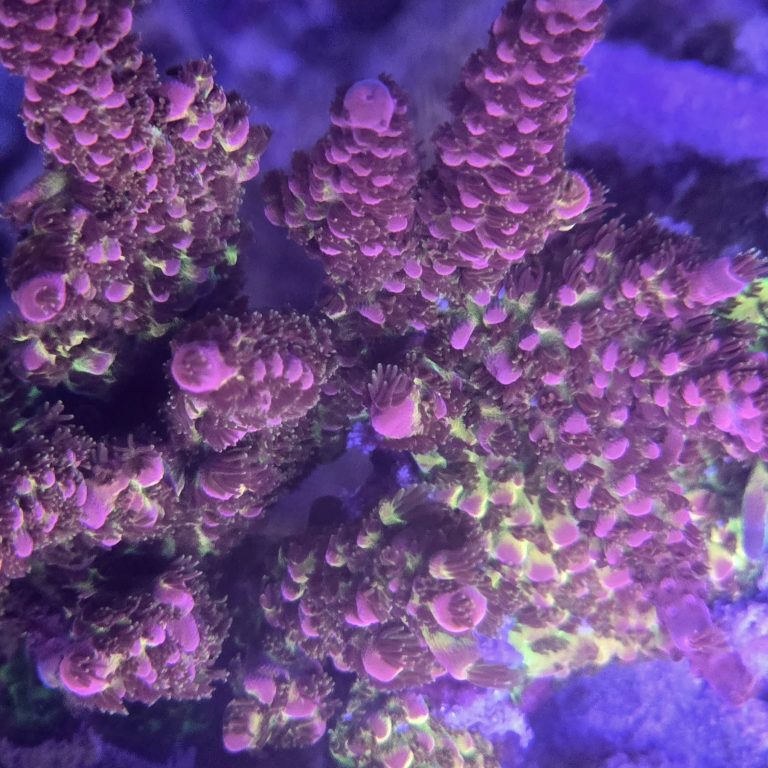
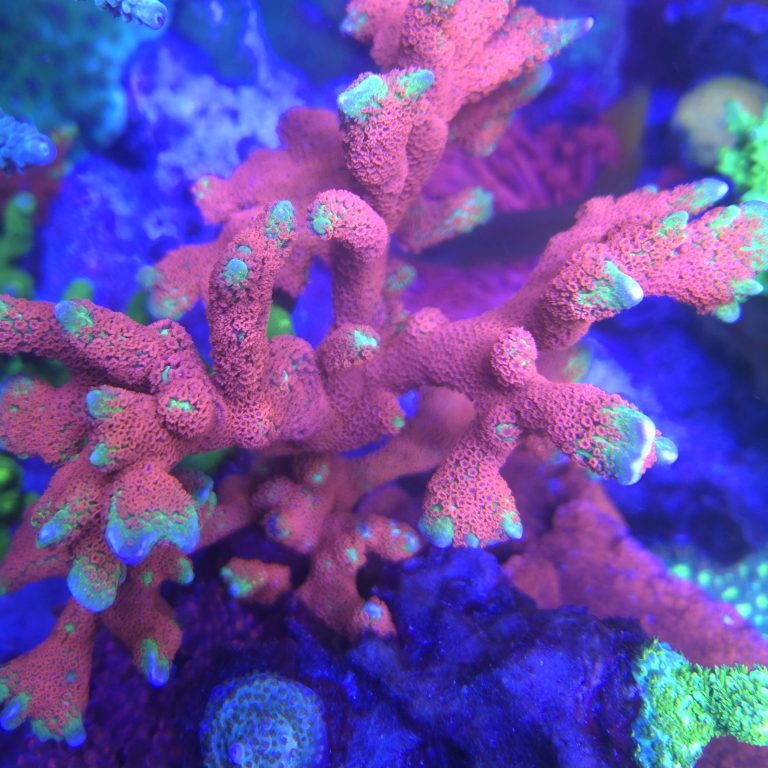
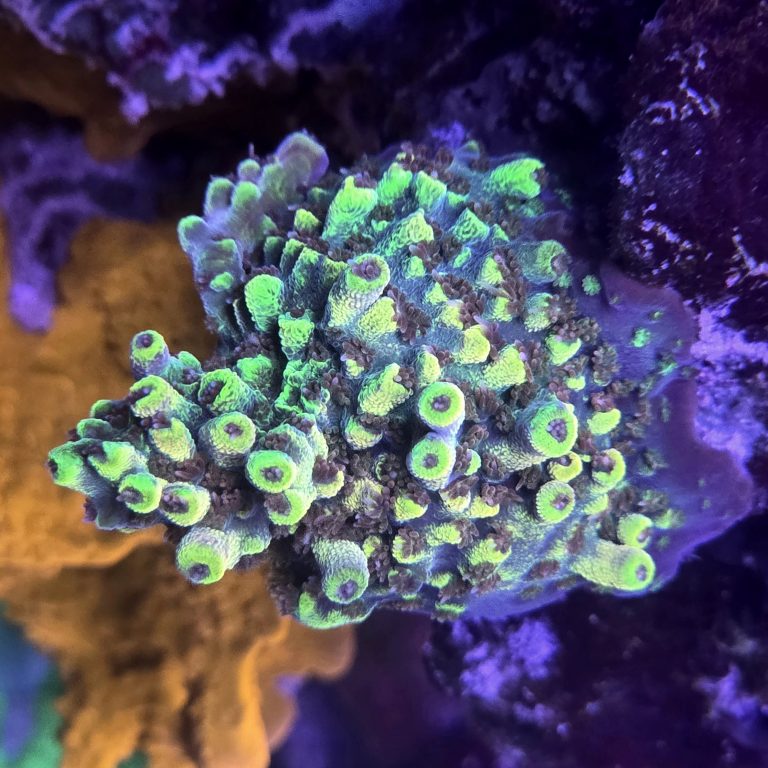
Purple Milka Stylophora is a favorite SPS coral for many reef keepers. Its bright purple branches and fuzzy polyps stand out in any tank. With the right care, it grows into a dense, eye-catching colony.
Understanding Purple Milka Stylophora
This coral is a branching Stylophora, usually with thick, knobby branches. Polyps stay extended during the day, giving it a soft, velvety look. It grows fairly quickly in stable, nutrient-balanced systems.
Target a temperature of 24–26°C (75–79°F). Keep salinity between 1.025 and 1.026 specific gravity. Aim for alkalinity at 8–9 dKH, calcium at 420–450 ppm, and magnesium around 1300–1400 ppm. Test weekly and adjust slowly.
Purple Milka prefers moderate to high light. PAR levels between 200 and 350 work well for most tanks. Start it lower, around 150 PAR, then move it up over two to three weeks. Watch color and polyp extension as you adjust.
- Use a PAR meter if possible to avoid guesswork.
- Increase light intensity by 10–15% per week only.
- Place the frag mid to upper rockwork, not on the sand.
Flow should be strong and random. Aim for 20–40 times tank turnover per hour. Direct, blasting flow can strip tissue. Instead, use multiple powerheads on alternating modes.
Placement, Feeding, and Troubleshooting
Give each Purple Milka frag room to grow. Leave at least 5–7 cm around the base. Avoid placing it where it will shade more delicate corals. Keep it away from aggressive LPS with long sweeper tentacles.
- Mount frags on stable rock with reef-safe glue or epoxy.
- Ensure no direct sand contact to prevent irritation.
- Check that nearby corals cannot sting it at night.
This Stylophora mainly relies on light, but feeding helps growth. Offer fine particle foods 1–2 times per week. Turn off return pumps for 10–15 minutes while feeding. Do not overfeed, as excess nutrients can fuel algae and cyanobacteria.
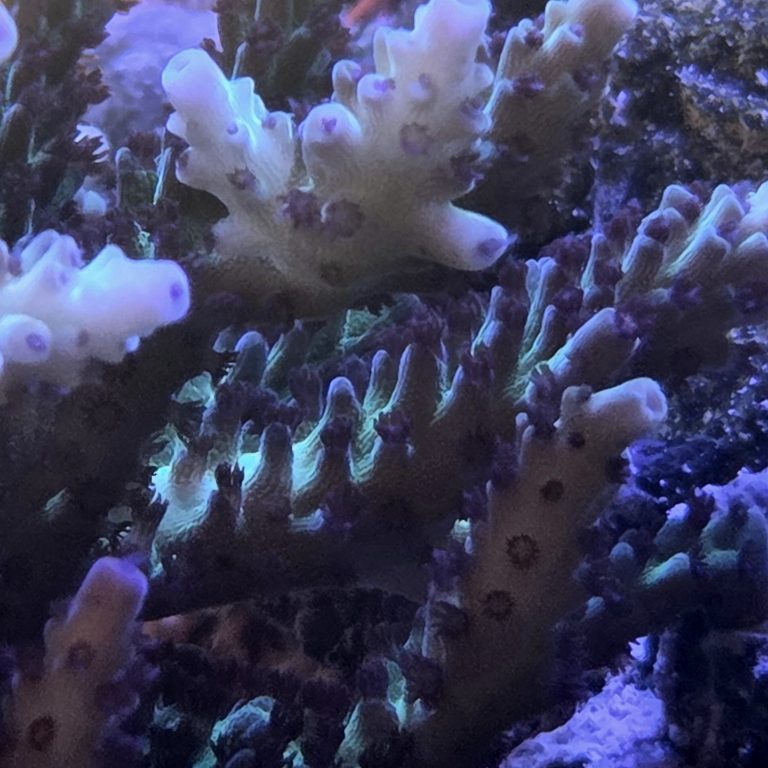
Watch for pale tissue, which often means too much light or too little nutrients. Brown, dull color can signal high nutrients or low light. Recession from the base may indicate unstable alkalinity or pests like nudibranchs.
- Keep nitrate around 5–15 ppm and phosphate at 0.03–0.08 ppm.
- Quarantine new SPS frags for 2–4 weeks when possible.
- Perform 10–15% water changes every 1–2 weeks for stability.
With steady parameters, balanced nutrients, and thoughtful placement, Purple Milka Stylophora can become a colorful centerpiece. It rewards patience with thick branches, rich purple color, and constant polyp movement.
Add to Wishlist