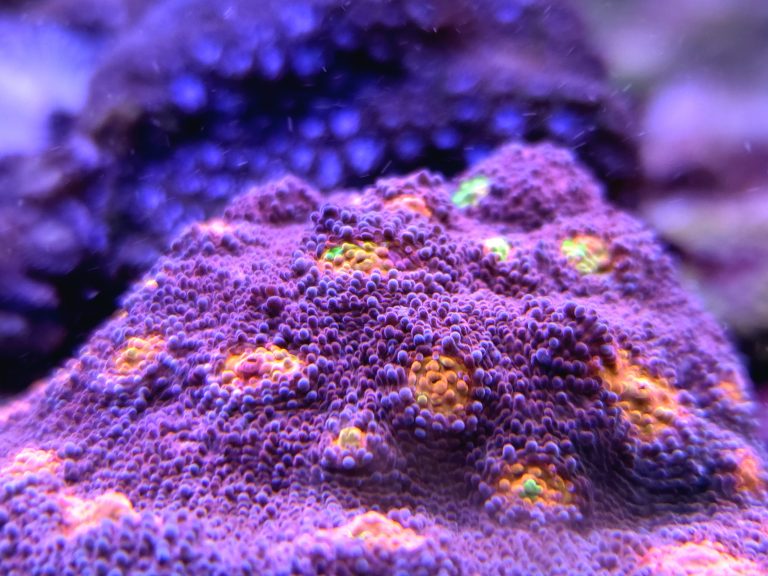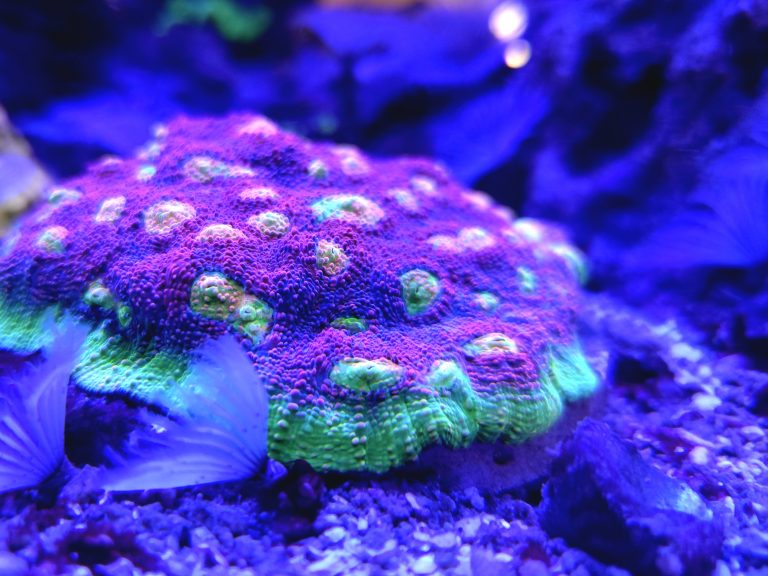
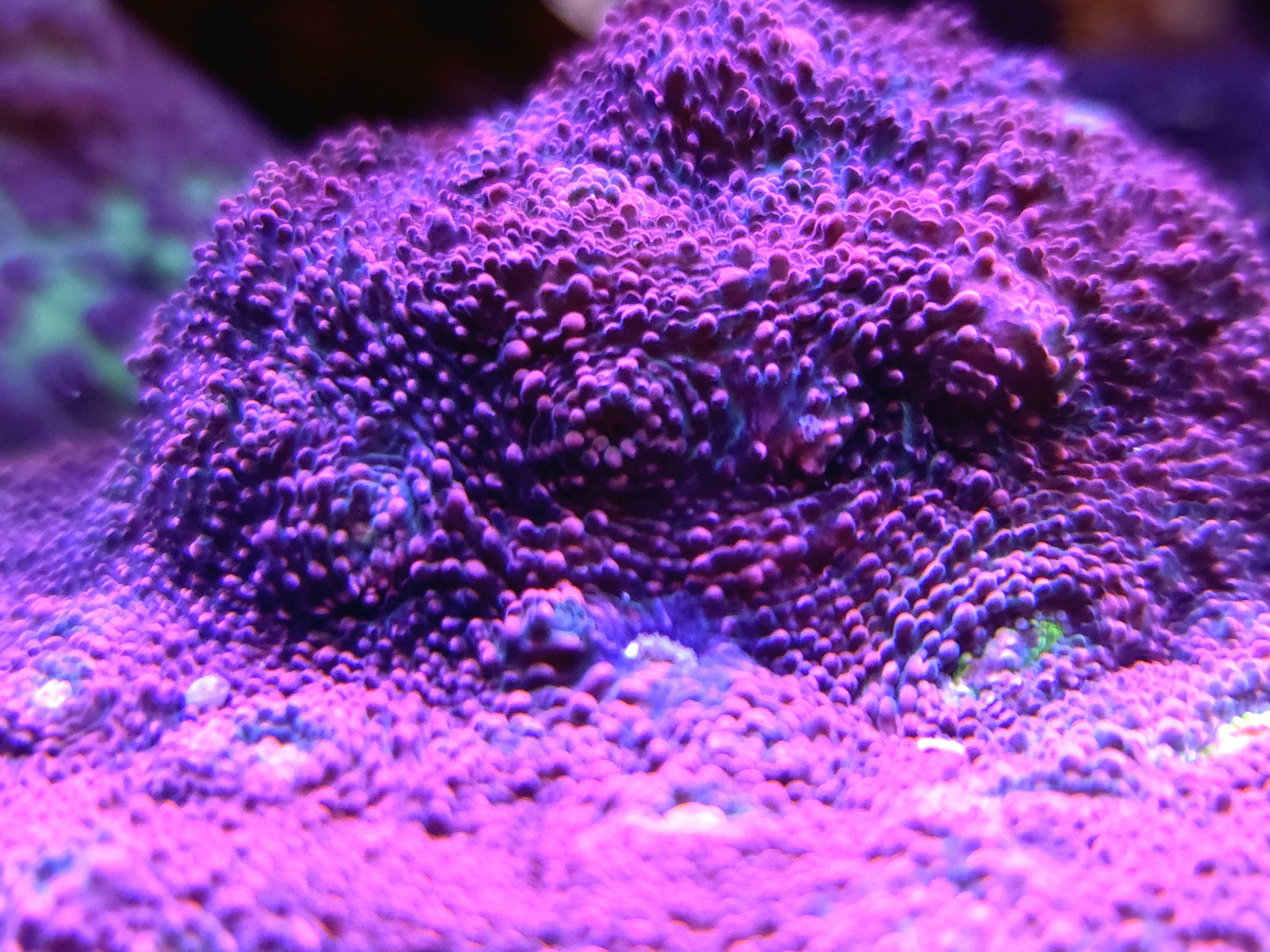
Pink Boobies Chalice
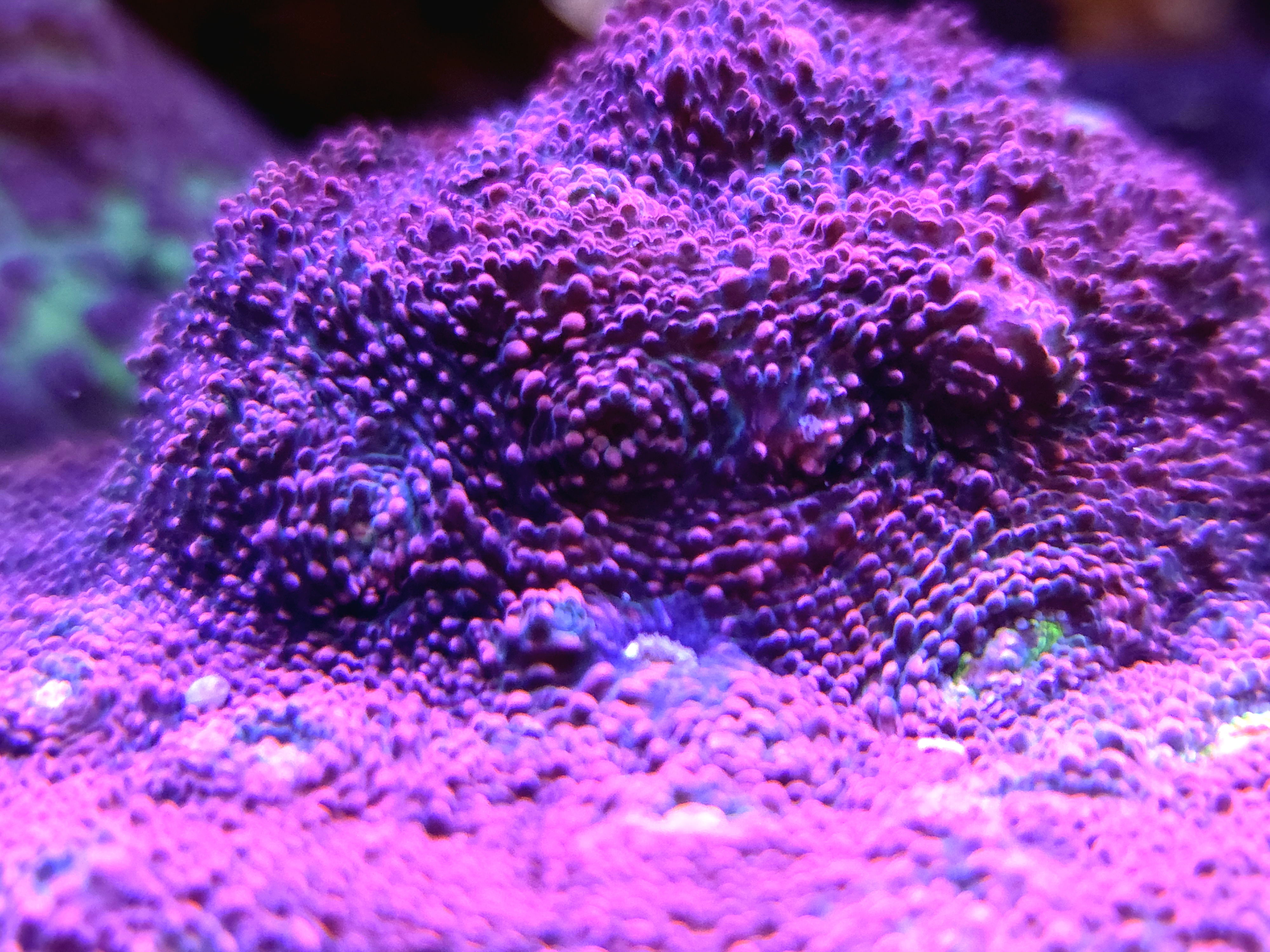
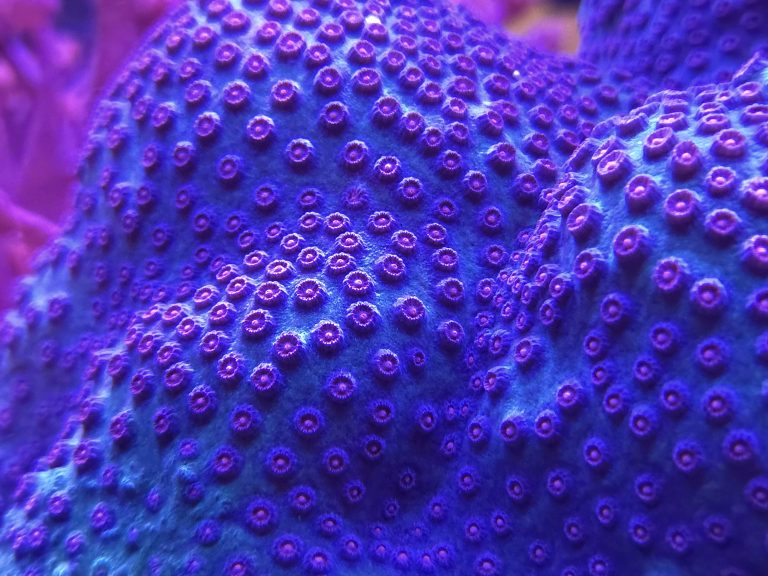
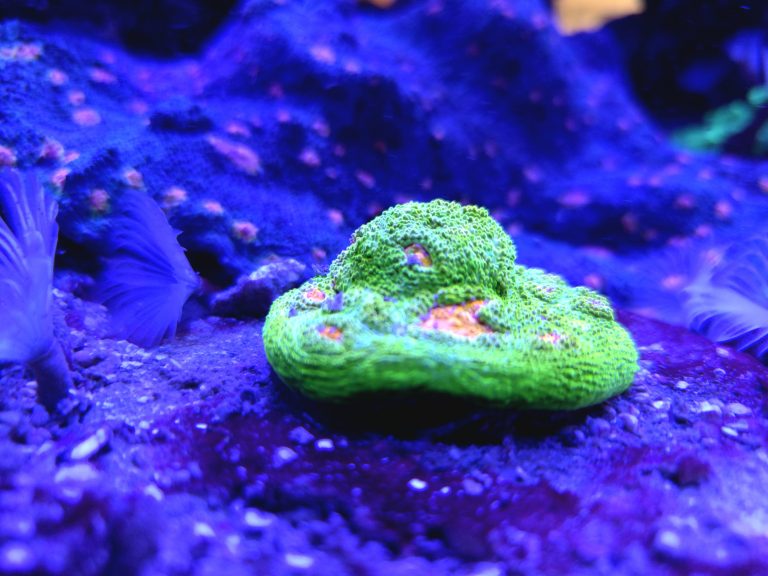
The Pink Boobies Chalice is a stunning LPS coral with bold pink eyes and swirling flesh. It can thrive in home reefs when you match its natural needs. With the right placement and stable water, this coral becomes a true showpiece.
Pink Boobies Chalice Care and Placement
Pink Boobies Chalice prefers moderate to low light. Strong light can bleach the tissue and fade the pink. Aim for 80–150 PAR at the coral’s surface. Start on the sand bed or a shaded rock ledge.
Use an acclimation period when moving it under LEDs. Begin at 30–40% of your final intensity. Increase light 5–10% each week. Watch for signs of stress like receding edges or dull color.
Flow should be gentle to moderate. The flesh is thin and can tear in direct, blasting flow. You want enough movement to keep debris off the surface. Avoid pointing powerheads directly at the coral.
- Target PAR: 80–150
- Flow: gentle, indirect, with random patterns
- Placement: lower rockwork or sand, slight shade
Glue frags to smooth, stable plugs or small rocks. Leave space for growth. Pink Boobies Chalice can expand several inches over time. Keep at least 2–3 inches from aggressive neighbors.
Water Parameters, Feeding, and Troubleshooting
Stable chemistry is vital for this chalice. Keep alkalinity between 8–9.5 dKH. Maintain calcium at 420–460 ppm and magnesium at 1300–1400 ppm. Nitrate should be 5–15 ppm and phosphate 0.03–0.08 ppm.
This coral responds well to targeted feeding. Feed 1–2 times per week at night. Use small meaty foods like mysis, finely chopped shrimp, or reef roids. Turn off flow for 10–15 minutes so food stays on the mouths.
- Feed after lights dim for best polyp extension
- Use a pipette or turkey baster to target mouths
- Do not overfeed; remove uneaten food after 20 minutes
Common problems include tissue recession and brown jelly infections. Recession often comes from unstable alkalinity or too much light. Test parameters weekly. Adjust dosing slowly, no more than 0.5 dKH per day.
If you see brown, slimy tissue, act fast. Siphon loose jelly. Dip the coral in an iodine-based coral dip for 5–10 minutes. Improve flow around the coral afterward to prevent detritus buildup.
- Quarantine new frags for 2–4 weeks
- Inspect nightly for pests like flatworms or nudibranchs
- Use a frag rack in lower light during acclimation
With careful placement, stable parameters, and gentle feeding, Pink Boobies Chalice can grow into a vibrant colony. Take your time with changes. This coral rewards patience with intense color and unique texture.
Add to Wishlist