
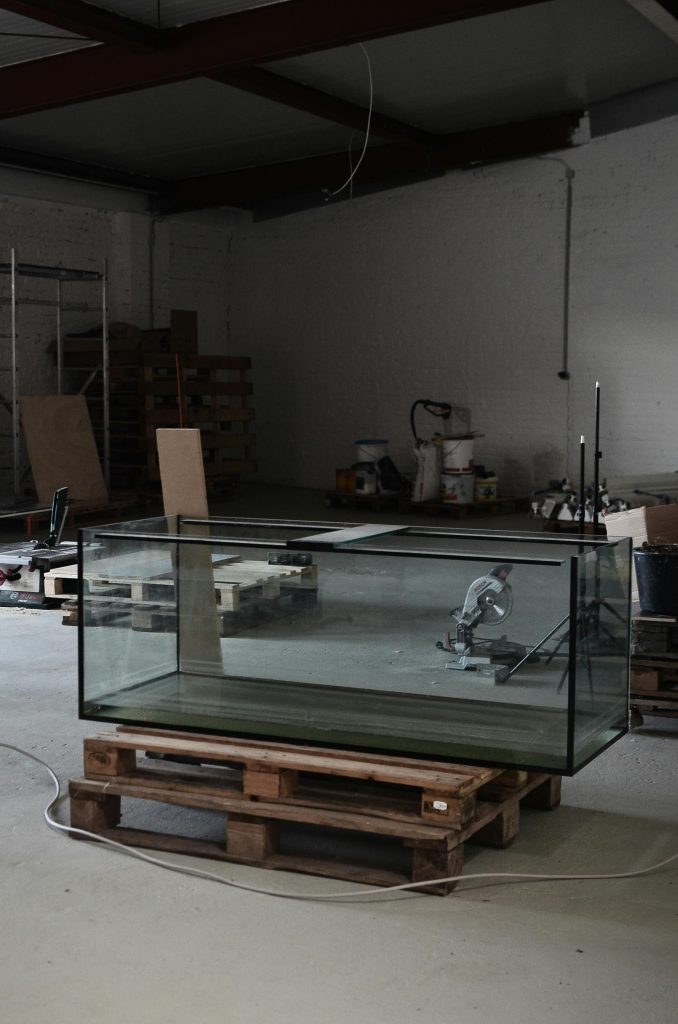
Starting a new reef aquarium is exciting, but it can also feel overwhelming. This new reef tank startup checklist walks you through each step so you can avoid common mistakes and give your corals and fish the best possible start.
1. Plan Your Reef Tank the Right Way
Before buying equipment, decide what kind of reef you want. A soft coral and LPS tank has different needs than an SPS-dominated system.
Choose Your Tank and Location
- Tank size: 40–75 gallons is a sweet spot for beginners—more stable than nanos, but still manageable.
- Stand and support: Make sure the stand is level and rated for the full weight of the tank, water, and rock.
- Placement: Avoid direct sunlight, high-traffic areas, and spots far from power outlets and water sources.
For more help choosing your first system, see our Beginner Reef Tank Size Guide.
Essential Equipment Checklist
- Reef-ready tank and stand
- Sump or quality hang-on-back filtration
- Return pump and powerheads for flow
- Heater (and optional controller)
- Reef-capable LED lighting
- Protein skimmer (for most systems 40+ gallons)
- Auto top-off (ATO) system
- RO/DI unit or access to purified water
Pro tip: Buy the best lighting and filtration you can reasonably afford the first time. Upgrading later usually costs more than starting with solid gear.
2. Set Up, Aquascape, and Cycle Your Reef
Rock, Sand, and Aquascaping
- Rock: Use quality live rock or dry rock rated for reef use. Aim for 0.75–1 pound per gallon.
- Sand: Rinse dry sand thoroughly, or use live sand straight from the bag.
- Aquascape: Build open, stable structures with plenty of caves and ledges for fish and coral placement.
Once the rockwork is stable, add premixed saltwater or mix your own with RO/DI water and a reliable reef salt. Bring the tank to 1.025 specific gravity and 78–80°F.
Start and Monitor the Nitrogen Cycle
- Add a bottled bacteria starter or a small amount of live rock to seed the system.
- Introduce a light ammonia source (pure ammonia or fish food).
- Test ammonia, nitrite, and nitrate 2–3 times per week.
The cycle is complete when ammonia and nitrite read zero and nitrate is present. This can take 3–6 weeks. For an in-depth walkthrough, check our Reef Tank Cycling Guide.
Pro tip: Be patient. Adding fish or corals before the cycle finishes is the fastest way to run into algae blooms and livestock losses.
3. Stock Slowly and Build a Maintenance Routine
Initial Clean-Up Crew and Fish
- Start with a modest clean-up crew (snails, a few hermits, maybe a cleaner shrimp).
- Add only 1–2 hardy fish at first, and quarantine when possible.
- Wait a week or two between new additions and test parameters regularly.
Water Testing and Maintenance Checklist
- Test weekly for: salinity, temperature, pH, alkalinity, nitrate, and phosphate.
- Perform 10–15% water changes every 1–2 weeks.
- Top off evaporated water with fresh RO/DI (not saltwater).
- Clean skimmer cup, filter socks, and pumps on a regular schedule.
As your tank matures, you can begin adding more sensitive corals. When you reach that stage, our Beginner Coral Selection Guide will help you choose hardy, colorful species.
Following this new reef tank startup checklist won’t just get your aquarium running—it will set you up for long-term success. Plan carefully, cycle patiently, add livestock slowly, and stick to a simple maintenance routine. With consistency and a bit of restraint early on, your reef will reward you with stable parameters, healthy fish, and vibrant coral growth for years to come.