My Miami Chalice
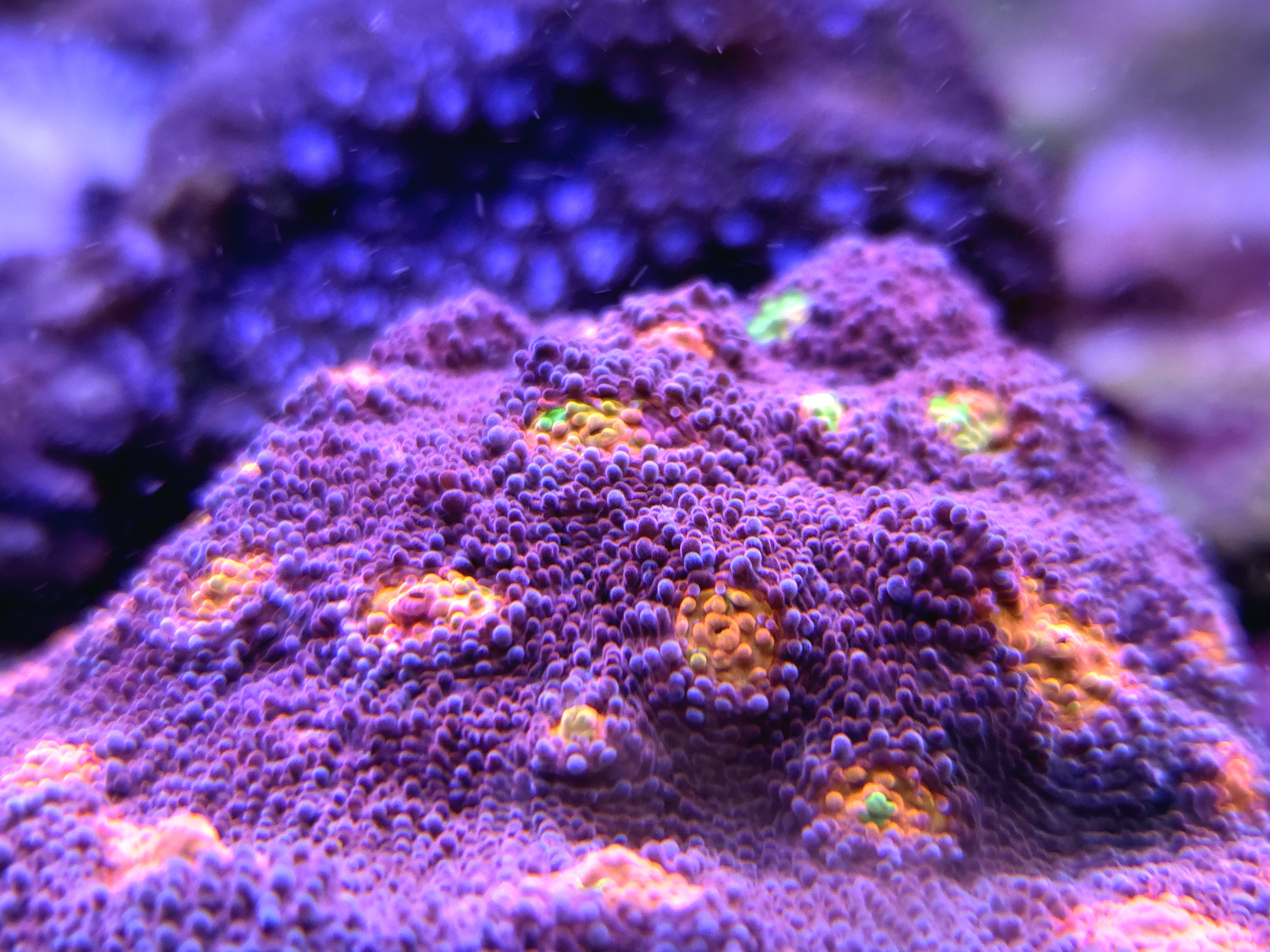
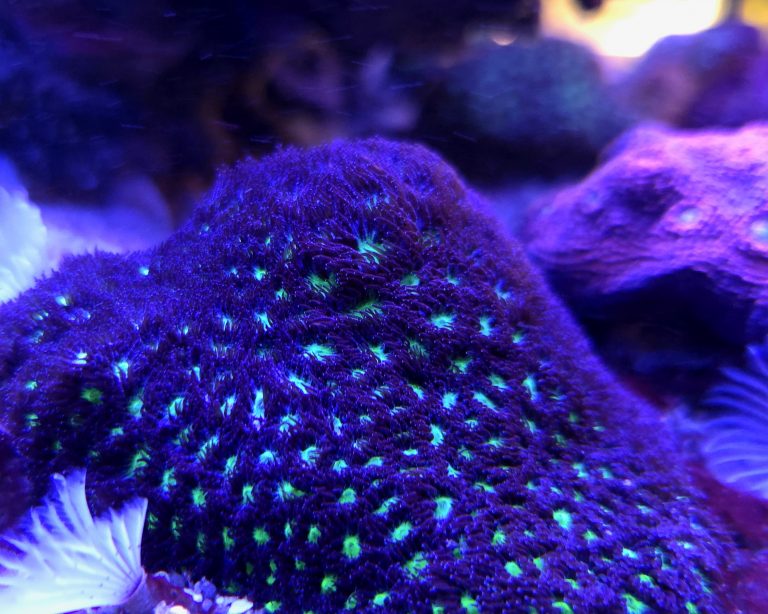
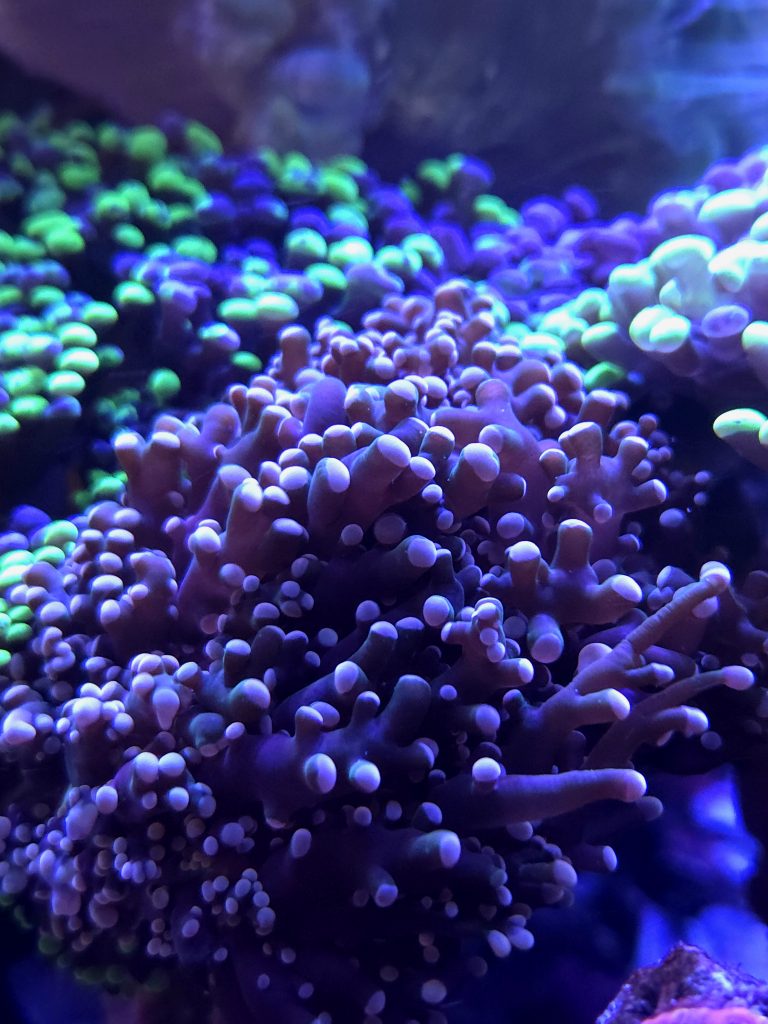
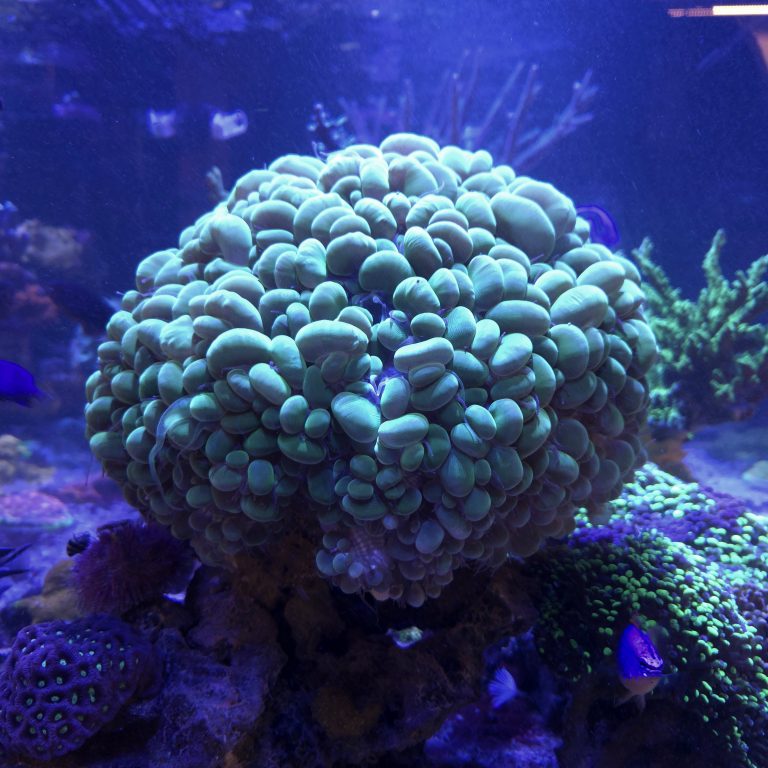
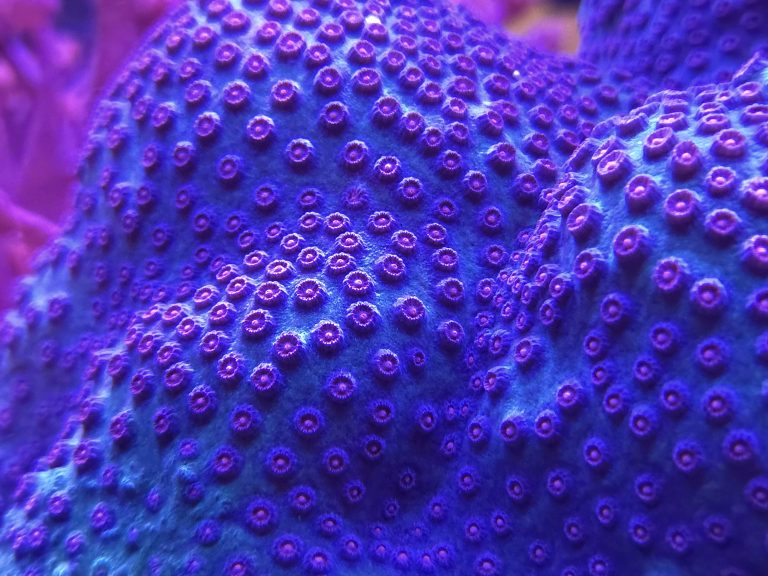
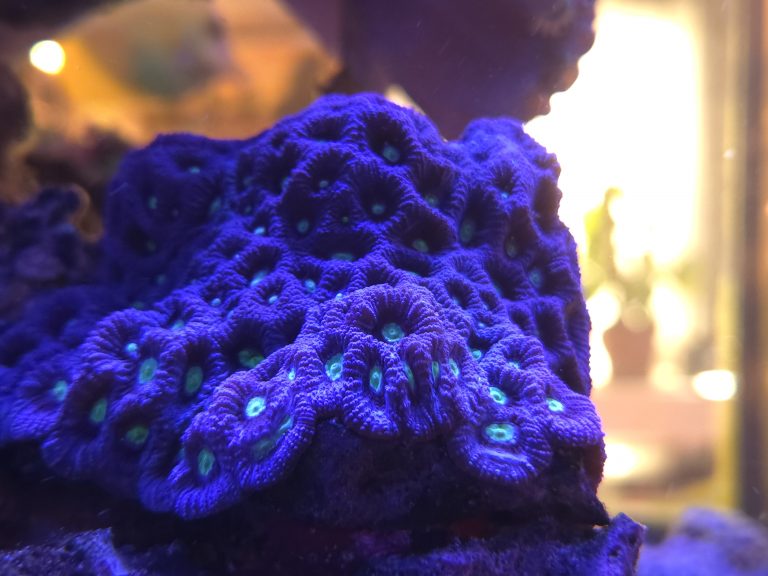
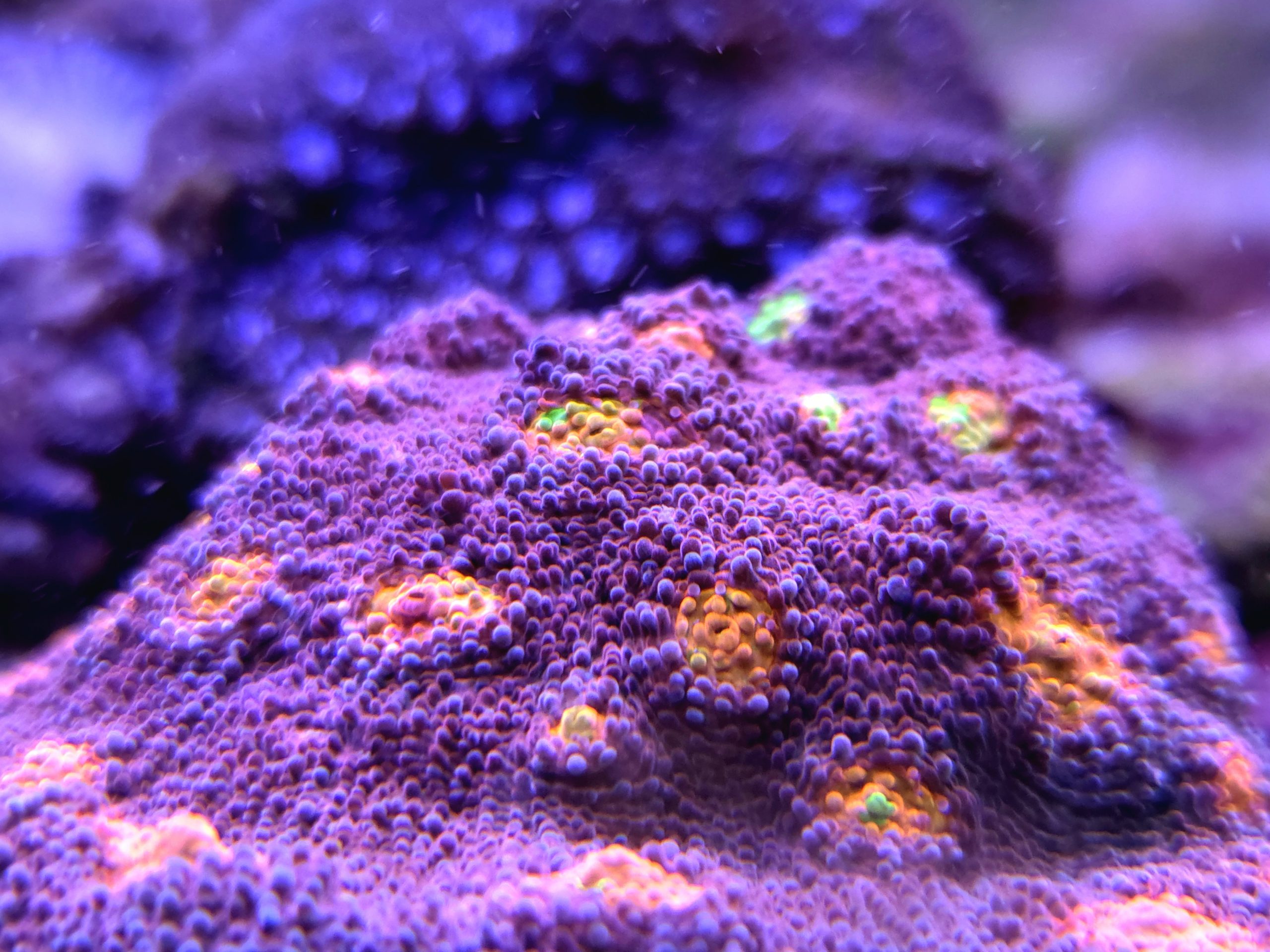
My Miami Chalice is a standout LPS coral with intense colors and bold eyes. It can be hardy once settled, but it needs stable conditions and thoughtful placement. With the right care, it becomes a bright focal point in any reef tank.
Understanding and Placing Your My Miami Chalice
My Miami Chalice prefers low to moderate light. Aim for 50–120 PAR at the coral’s surface. Too much light will wash out colors and can burn the tissue. Always start lower and move it up slowly if needed.
Place the frag on a stable rock shelf or the sandbed. Keep it away from aggressive neighbors. Chalices have sweeper tentacles that can sting nearby corals at night. Leave at least 3–4 inches of space on all sides.
Good flow is gentle and indirect. Aim for a moderate, random pattern. The tissue should sway slightly but never flap hard. Strong, direct flow can cause recession along the edges. It can also expose the skeleton and invite algae.
- Start the coral at 50–80 PAR and observe for two weeks.
- Increase light by 10–15% every 7–10 days if colors look dull.
- Use a PAR meter or app-based sensor for more accurate readings.
Stable water parameters are critical. Keep salinity at 1.025–1.026, temperature 77–79°F, and alkalinity 8–9 dKH. Maintain calcium at 420–450 ppm and magnesium at 1300–1400 ppm. Avoid swings greater than 0.3 dKH per day.
Feeding, Growth, and Troubleshooting Color Loss
My Miami Chalice responds well to targeted feeding. Feed 1–2 times per week once it is settled. Use small particle foods like reef roids, powdered coral foods, or finely chopped mysis. Turn off flow for 10–15 minutes during feeding.
Growth can be slow at first. Expect only a few millimeters per month in a new system. As the coral adjusts and encrusts, growth usually speeds up. Many hobbyists see faster growth in tanks older than one year. Mature systems offer greater stability and more dissolved nutrients.
- Feed at night when feeding tentacles are extended.
- Use a pipette or turkey baster for precise spot feeding.
- Rinse frozen foods to reduce excess nutrients.
Color loss is a common concern. Faded colors often mean too much light or too little nutrient. Aim for nitrate between 5–15 ppm and phosphate between 0.03–0.08 ppm. Ultra-low nutrients can cause pale tissue and slow growth.
- If the coral looks bleached, lower PAR by 20–30% immediately.
- Check alkalinity for sudden drops or spikes.
- Inspect for pests like nudibranchs or vermetid snails near the base.
With patient adjustments and careful observation, My Miami Chalice can thrive for years. Keep notes on light levels, feeding, and parameter changes. Small, consistent tweaks usually give the best color and growth. Over time, this coral often becomes one of the most photographed pieces in the tank.
Add to Wishlist