
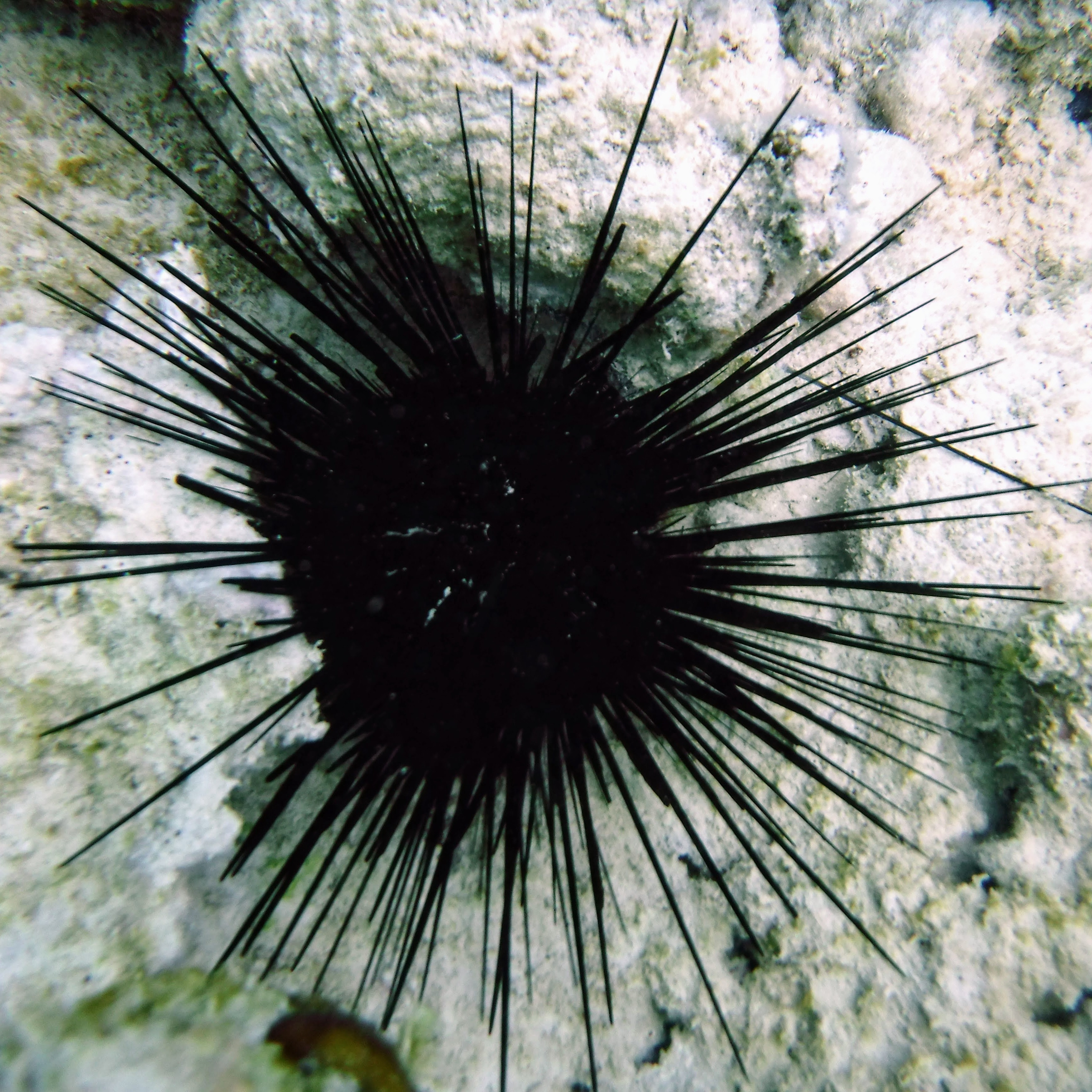
Long Spined Sea Urchin: A Spiky Helper for Your Reef Tank
The Long Spined Sea Urchin (Diadema species) is a striking invertebrate that can become a useful member of your clean-up crew. Known for its dramatic black or dark purple spines, this urchin adds unique movement and texture to a saltwater aquarium while helping control nuisance algae. With the right setup and care, it can be both a functional and fascinating addition to a reef system.
Tank Requirements and Compatibility
Before bringing home a Long Spined Sea Urchin, it’s important to understand its needs. These urchins are sensitive to poor water quality and sudden parameter swings, so they’re best suited for stable, mature marine tanks.
Basic care guidelines include:
- Tank size: 55 gallons or larger for adequate grazing space and rockwork.
- Water parameters: Reef-stable conditions (0 ammonia/nitrite, low nitrate, stable salinity and temperature).
- Lighting: Moderate to strong lighting encourages natural algae growth for grazing.
- Diet: Primarily filamentous algae; can be supplemented with dried seaweed or algae wafers.
Long Spined Sea Urchins are generally peaceful but can accidentally poke tank mates with their long, sharp spines. Avoid housing them with aggressive fish that may nip or harass slow-moving invertebrates. They may also knock over loose rock or corals, so secure aquascaping is essential.
Benefits and Potential Challenges
Many hobbyists add a Long Spined Sea Urchin for natural algae control and biodiversity. However, their size and behavior require a bit of planning.
Benefits
- Excellent algae grazers: Help control hair algae and film algae on rocks and glass.
- Nighttime activity: Most active after lights out, adding interest to your tank’s nocturnal life.
- Biodiversity: Contributes to a more natural, balanced reef ecosystem.
Challenges
- Spines are sharp: Use caution when working in the tank; wear aquarium-safe gloves.
- Can dislodge items: Secure rockwork and coral plugs to avoid accidental toppling.
- Sensitive to copper: Never expose them to copper-based medications.
Tip: If you notice your Long Spined Sea Urchin losing spines, check water quality immediately. Sudden changes in salinity, temperature, or ammonia can stress urchins quickly.
Care Tips and Long-Term Success
To keep a Long Spined Sea Urchin thriving, focus on stability and a consistent food source. In very clean, low-nutrient systems, you may need to supplement its diet.
- Offer dried nori or algae sheets secured to a rock or clip.
- Avoid rapid changes in salinity during water changes.
- Provide plenty of live rock for grazing and hiding during the day.
- Acclimate slowly using a drip method to reduce stress.
Interested in building a full clean-up crew around your Long Spined Sea Urchin? Check out our guide on snails for algae control and learn how to balance different invertebrates in your system. If you’re setting up a new reef, our beginner reef tank setup article can help you design a stable environment from day one. For coral placement ideas that work well with active invertebrates, see our soft corals for beginners overview.
With proper care, the Long Spined Sea Urchin can become a long-lived, hard-working resident that keeps your rockwork clean while adding dramatic visual appeal to your saltwater aquarium.