Lobophyllia Brain Coral
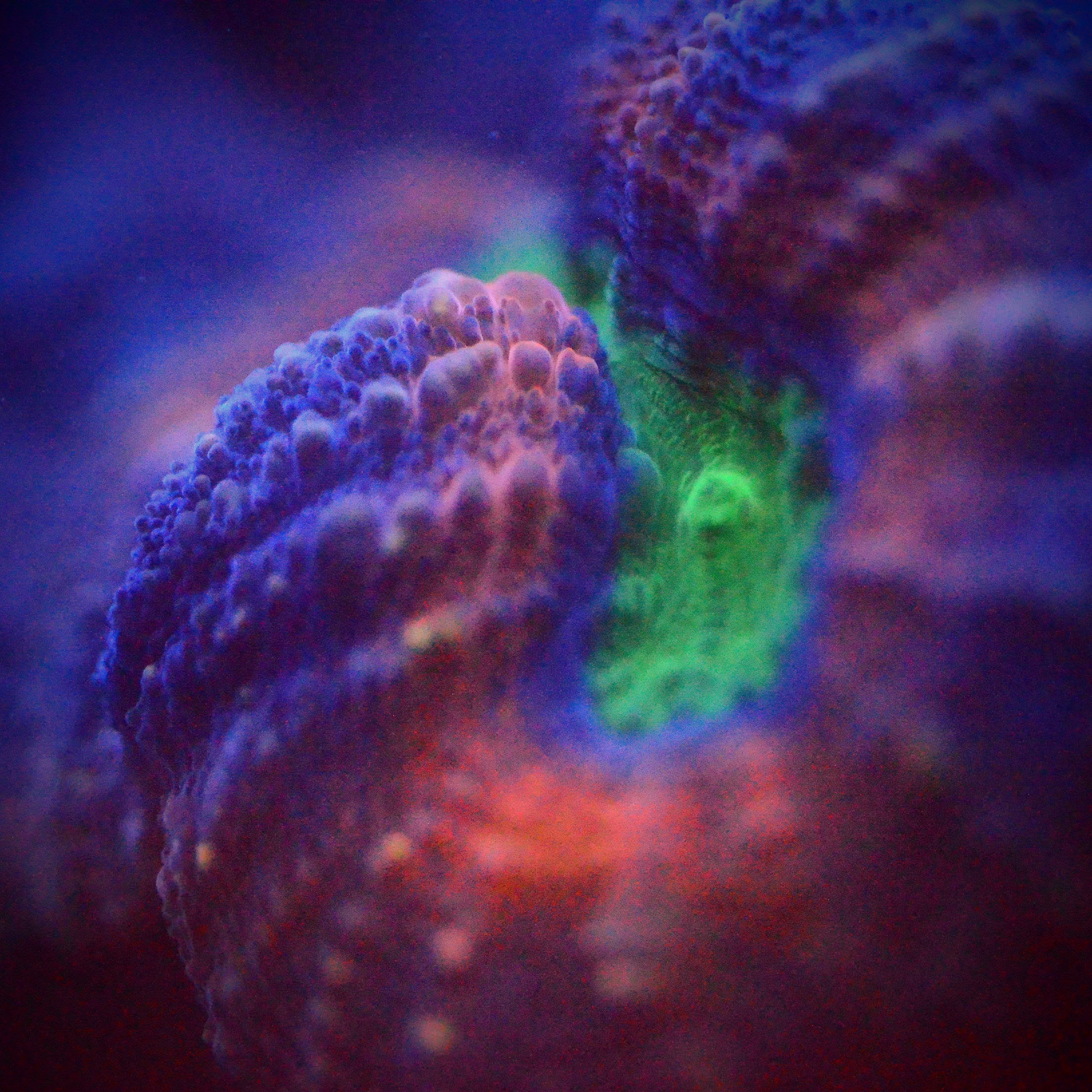
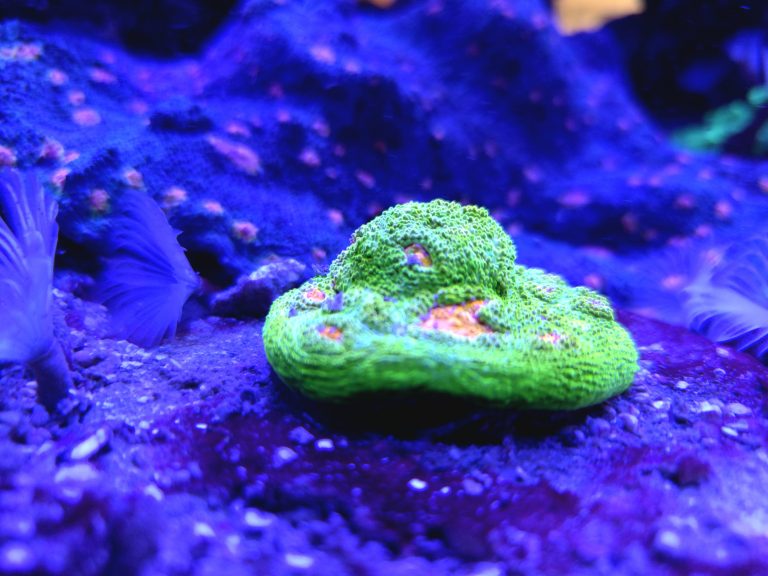
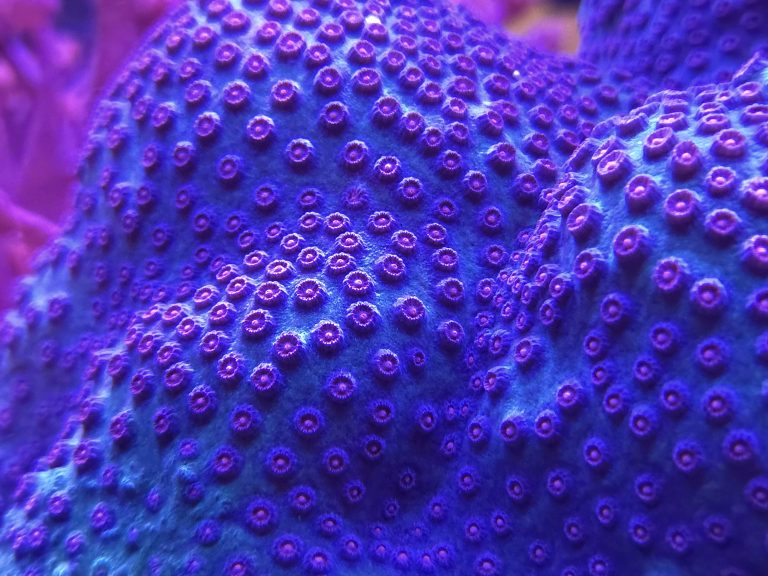
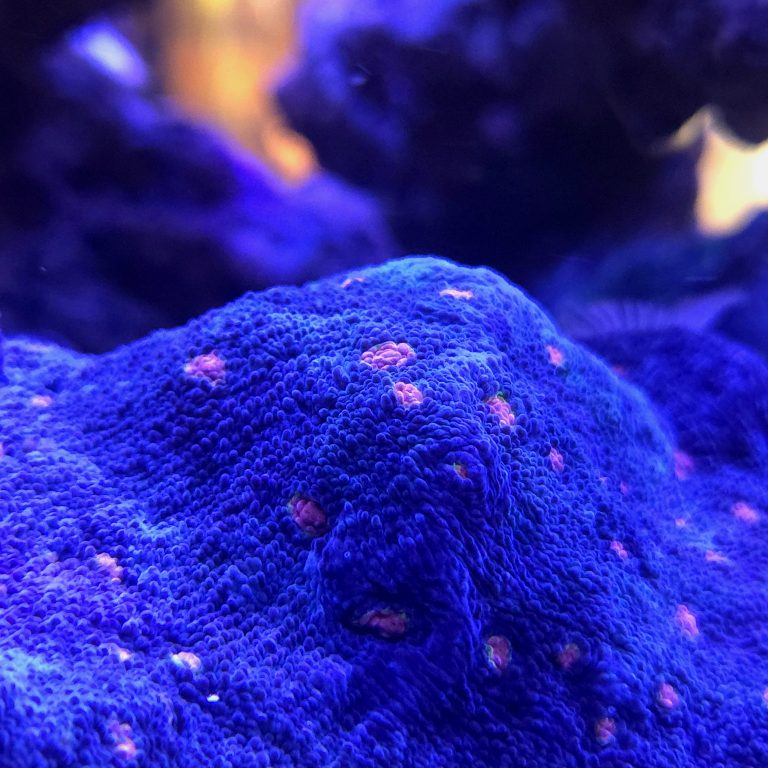
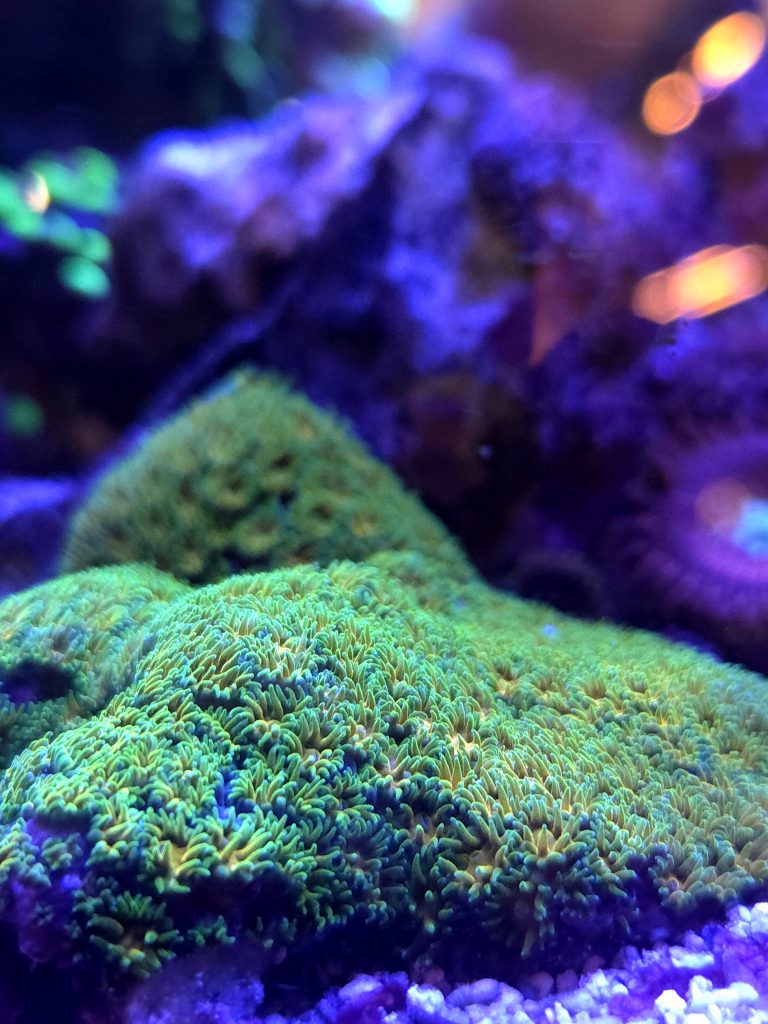
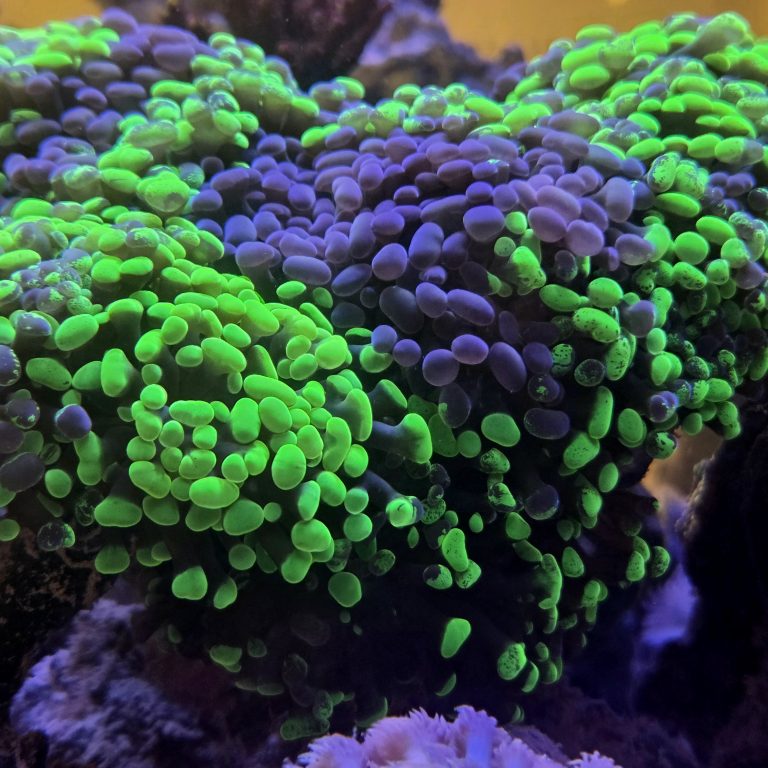
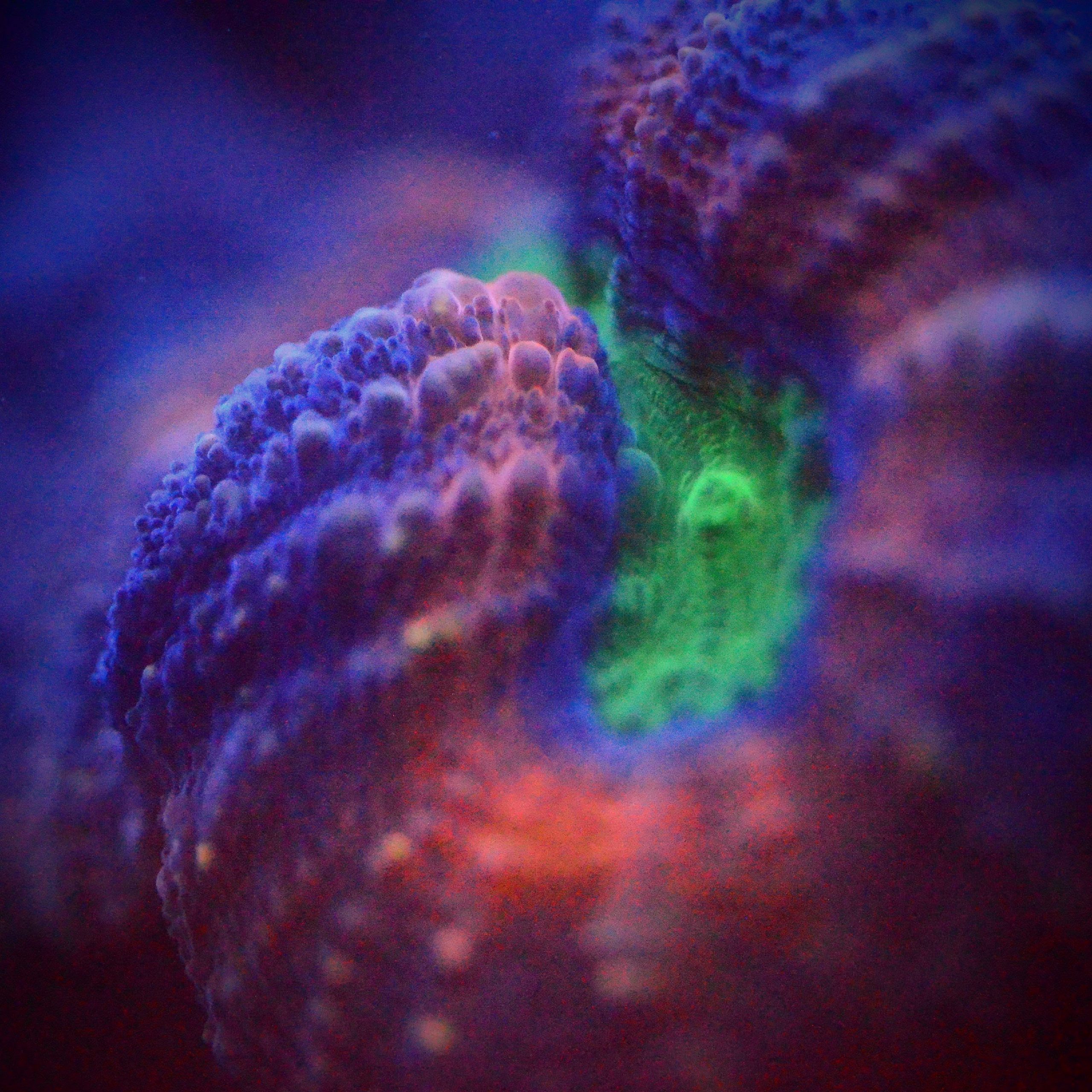
Lobophyllia brain corals are colorful, fleshy LPS corals with bold patterns and folds. They are hardy and forgiving, which makes them great for many reef tanks. With stable conditions and gentle care, they can grow into impressive centerpiece colonies.
Understanding Lobophyllia Brain Coral Care
Lobophyllia prefer moderate lighting. Aim for 80–150 PAR at the coral’s tissue. Start new frags in lower light and move them up slowly over 2–3 weeks. Sudden high light can bleach the flesh and cause recession.
Provide gentle to moderate, indirect flow. The tissue is thick and fleshy. Strong, direct flow can tear the polyps and expose skeleton. Use the “tent test.” If the tentacles sway gently but do not bend hard in one direction, the flow is usually right.
Keep stable water parameters. Target 1.025 specific gravity, 77–79°F temperature, and 8–9 dKH alkalinity. Calcium should stay around 420–450 ppm. Magnesium between 1300–1400 ppm helps prevent swings. Test weekly and adjust slowly to avoid stress.
- Place Lobophyllia on the sand bed or a flat rock.
- Leave 3–4 inches of space from other corals.
- Avoid sharp rocks under the tissue to prevent cuts.
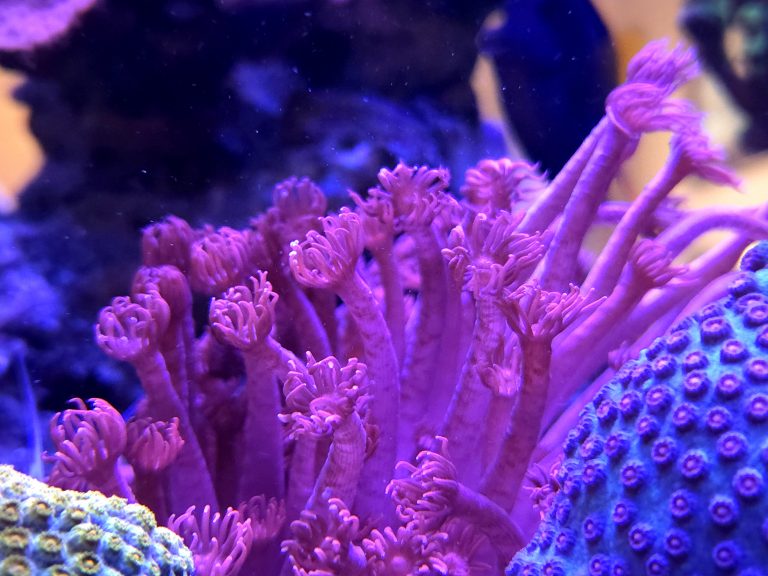
Watch for sweeper tentacles at night. They can sting nearby corals. If you see damage rings on neighbors, increase spacing or move the Lobophyllia slightly.
Feeding, Placement, and Troubleshooting Tips
Lobophyllia benefit from target feeding. Feed 1–2 times per week for best growth. Offer small meaty foods like mysis shrimp, chopped krill, or high-quality LPS pellets. Turn off flow during feeding so food stays on the mouths.
Use a turkey baster or coral feeder. Gently squirt food onto the inflated tissue. Wait 10–15 minutes for the coral to grab and swallow it. Turn pumps back on afterward. Avoid overfeeding, which can raise nutrients and fuel algae.
- Keep nitrate between 5–15 ppm.
- Keep phosphate between 0.03–0.1 ppm.
- Use a protein skimmer to help control organics.
Common problems include tissue recession, bleaching, and brown jelly infections. Recession often comes from unstable alkalinity or direct flow. Check parameters and adjust powerheads. Bleaching usually follows sudden light changes. Lower light intensity by 20–30% and use a longer acclimation period.
If you see brown, slimy tissue, act fast. Siphon out the jelly. Perform a 10–20% water change. Consider an iodine or coral dip following manufacturer instructions. Isolate the coral if the infection spreads. With quick action and stable conditions, many Lobophyllia recover well.
- Quarantine new corals for 2–4 weeks.
- Inspect for pests like flatworms and nudibranchs.
- Keep a log of parameters and any coral changes.