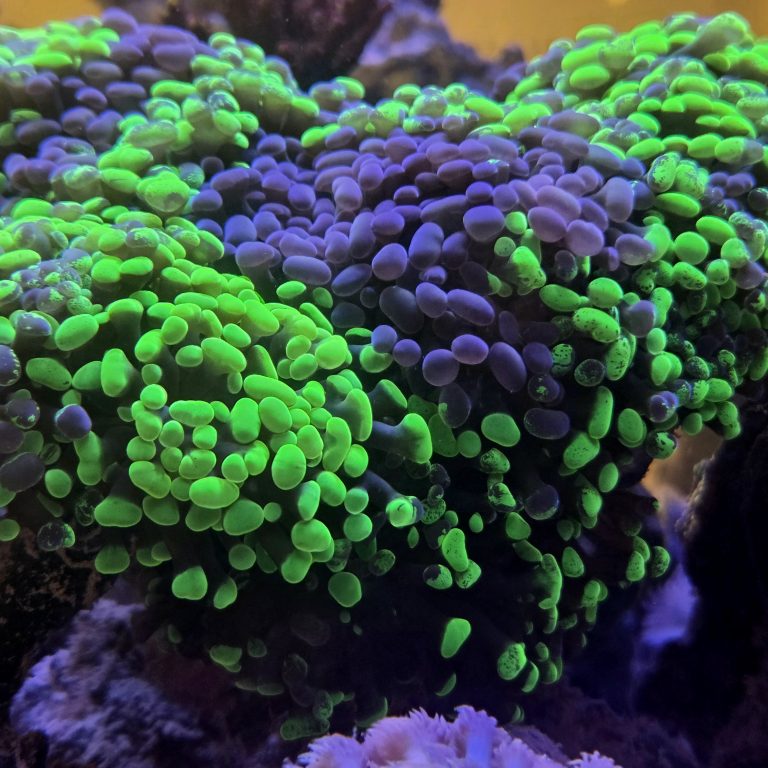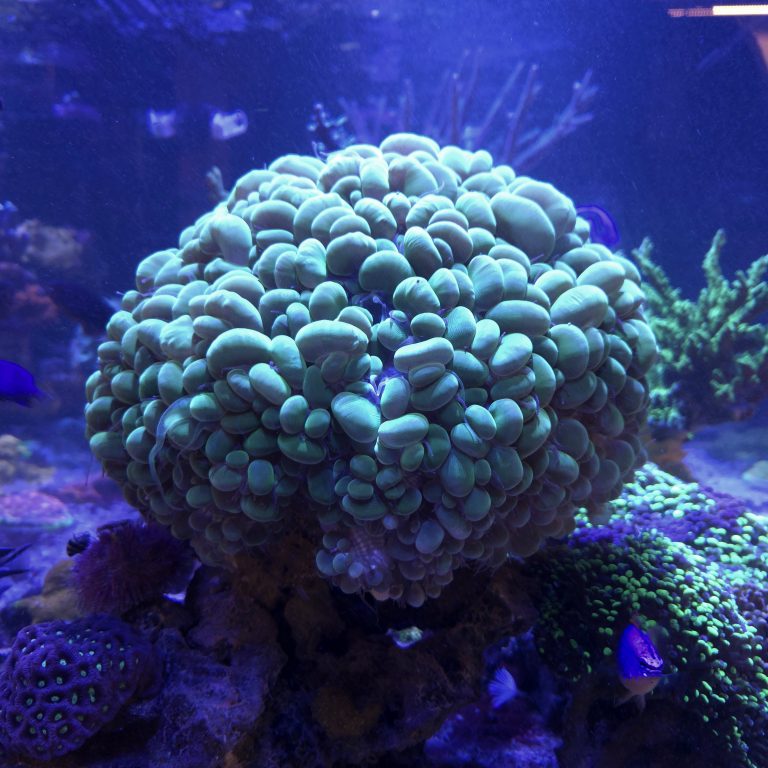
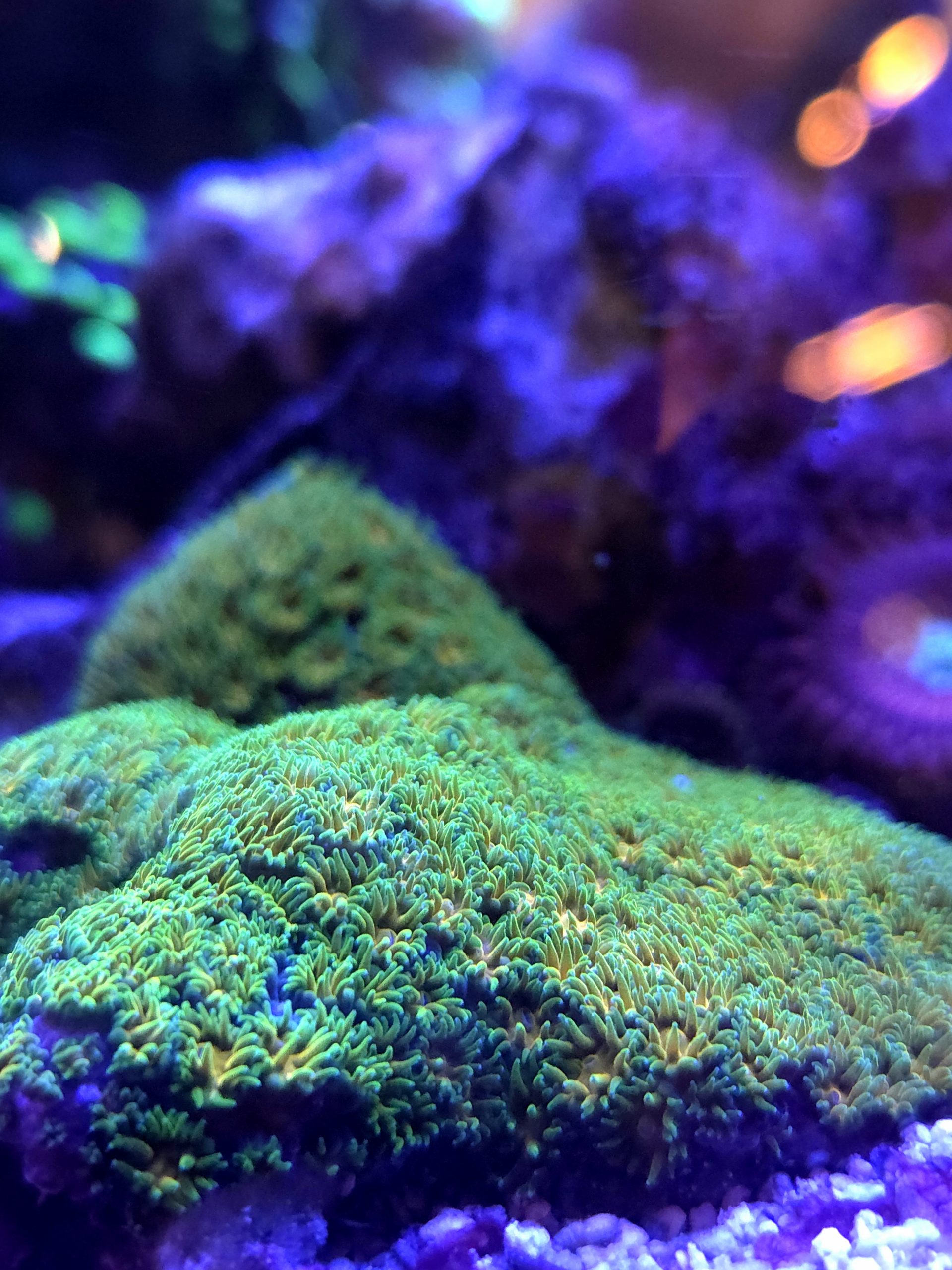
John Deere Leptastrea
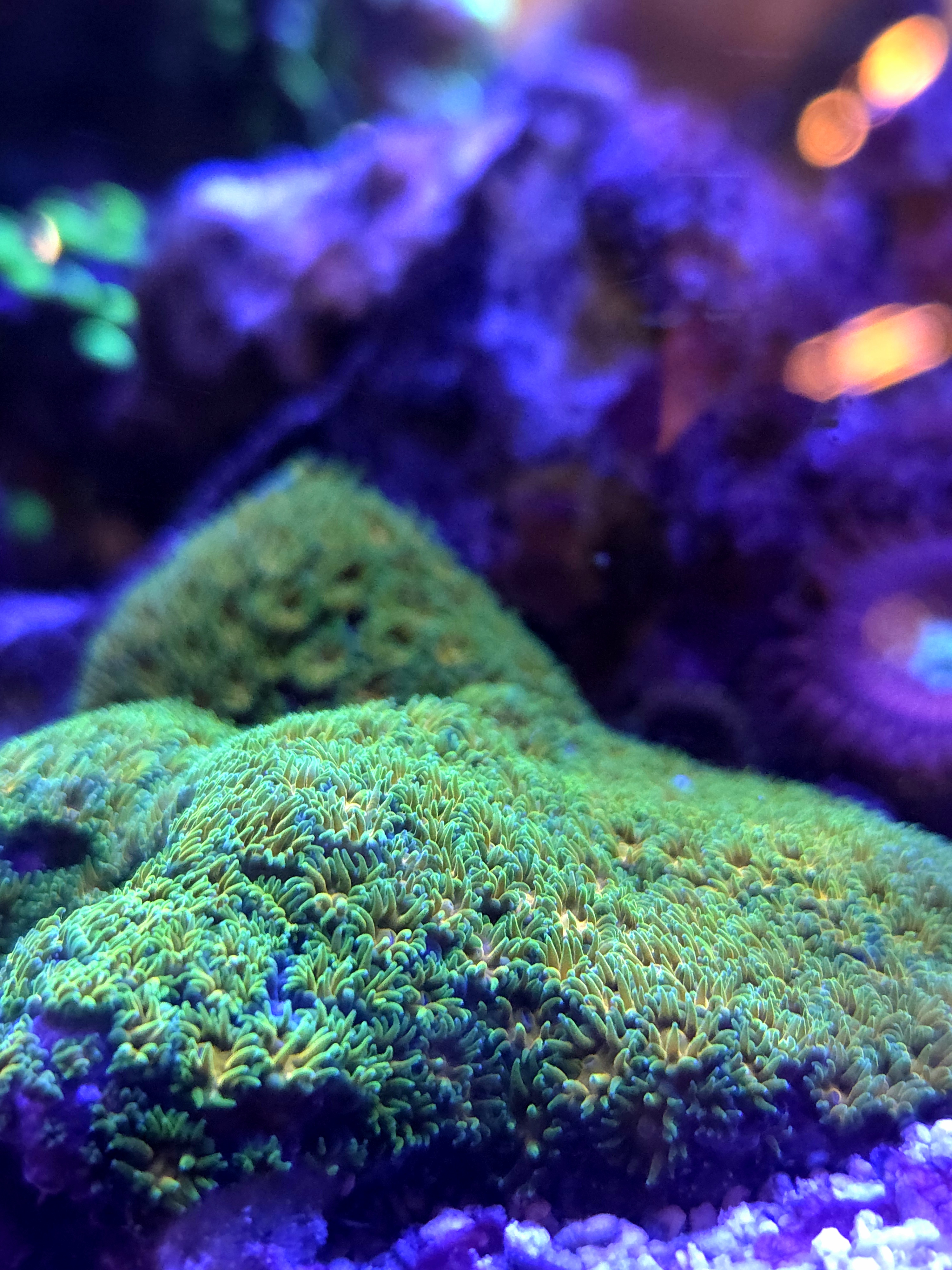
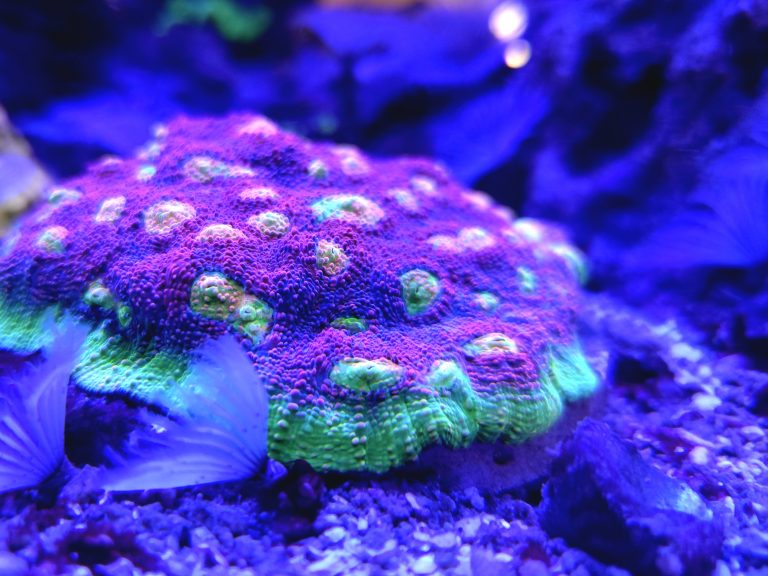
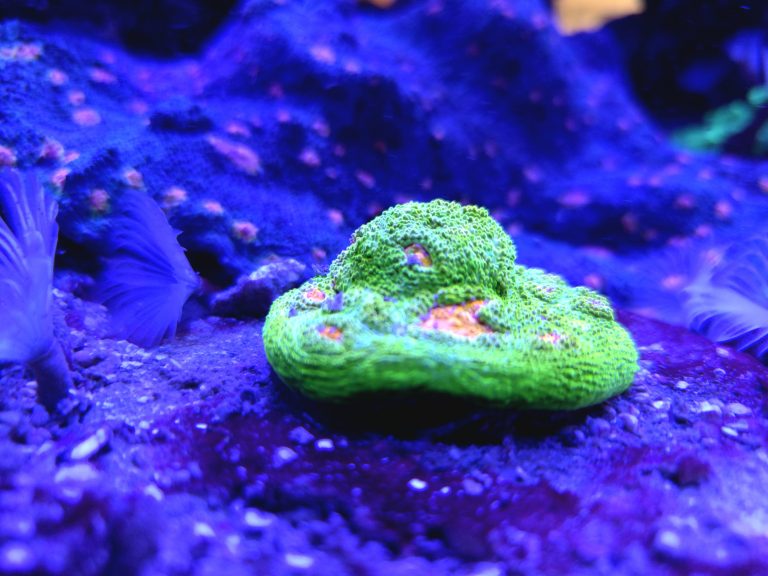
John Deere Leptastrea is a hardy, bright green encrusting coral. It offers neon color without demanding SPS-level care. This makes it a great choice for newer reef keepers and mixed reefs.
John Deere Leptastrea Care and Placement
John Deere Leptastrea prefers moderate light and gentle to moderate flow. Aim for 80–150 PAR. Too much light can bleach the tissue and dull the green color. Start it low on the rockwork and move it up only if colors fade.
Place the frag on stable rock, not loose rubble. This coral encrusts quickly and will spread over nearby surfaces. Leave at least 2–3 cm around the frag for growth. Keep it away from very aggressive neighbors like favias or some chalices.
Stable water parameters are more important than chasing perfect numbers. Target these ranges:
- Temperature: 24–26°C (75–79°F)
- Salinity: 1.025–1.026 specific gravity
- Alkalinity: 8–9.5 dKH
- Calcium: 420–450 ppm
- Magnesium: 1300–1400 ppm
Flow should be indirect and random. Polyps should sway gently, not fold over. If tissue recedes on the upstream side, reduce flow or redirect your powerhead.
- Use acclimation mode on lights when first adding the coral.
- Check PAR with a meter or rental service if possible.
- Clean salt creep from light lenses monthly to keep PAR consistent.
Feeding, Growth, and Troubleshooting
John Deere Leptastrea hosts zooxanthellae but still benefits from feeding. Target feed 1–2 times per week. Use small particle foods like reef roids, fine coral foods, or thawed mysis juice. Turn off return and powerheads for 15–20 minutes during feeding.
Feed at night or just after lights dim. Polyps extend more in low light. Use a pipette or turkey baster and gently cloud the colony. Avoid blasting food directly into the tissue. Overfeeding can foul water and cause algae issues.
- Keep nitrate between 5–15 ppm for good color and growth.
- Maintain phosphate around 0.03–0.08 ppm.
- Avoid sudden swings from aggressive GFO or carbon dosing.
Common problems include tissue recession and dull color. Recession usually points to low alkalinity, unstable parameters, or pests. Check for nudibranchs, vermetid snails, and stinging neighbors. Dull color often means too much light or ultra-low nutrients.
For fragging, use bone cutters or a diamond saw to cut through the encrusted base. Make small 1–2 cm pieces. Glue them to clean frag plugs or rubble. Allow frags to heal in lower light and low to moderate flow for one to two weeks.
- Test alkalinity at least twice weekly in growing systems.
- Quarantine new corals for 2–4 weeks to avoid pests.
- Perform 10–15% water changes every 1–2 weeks for stability.