Jellybean Chalice
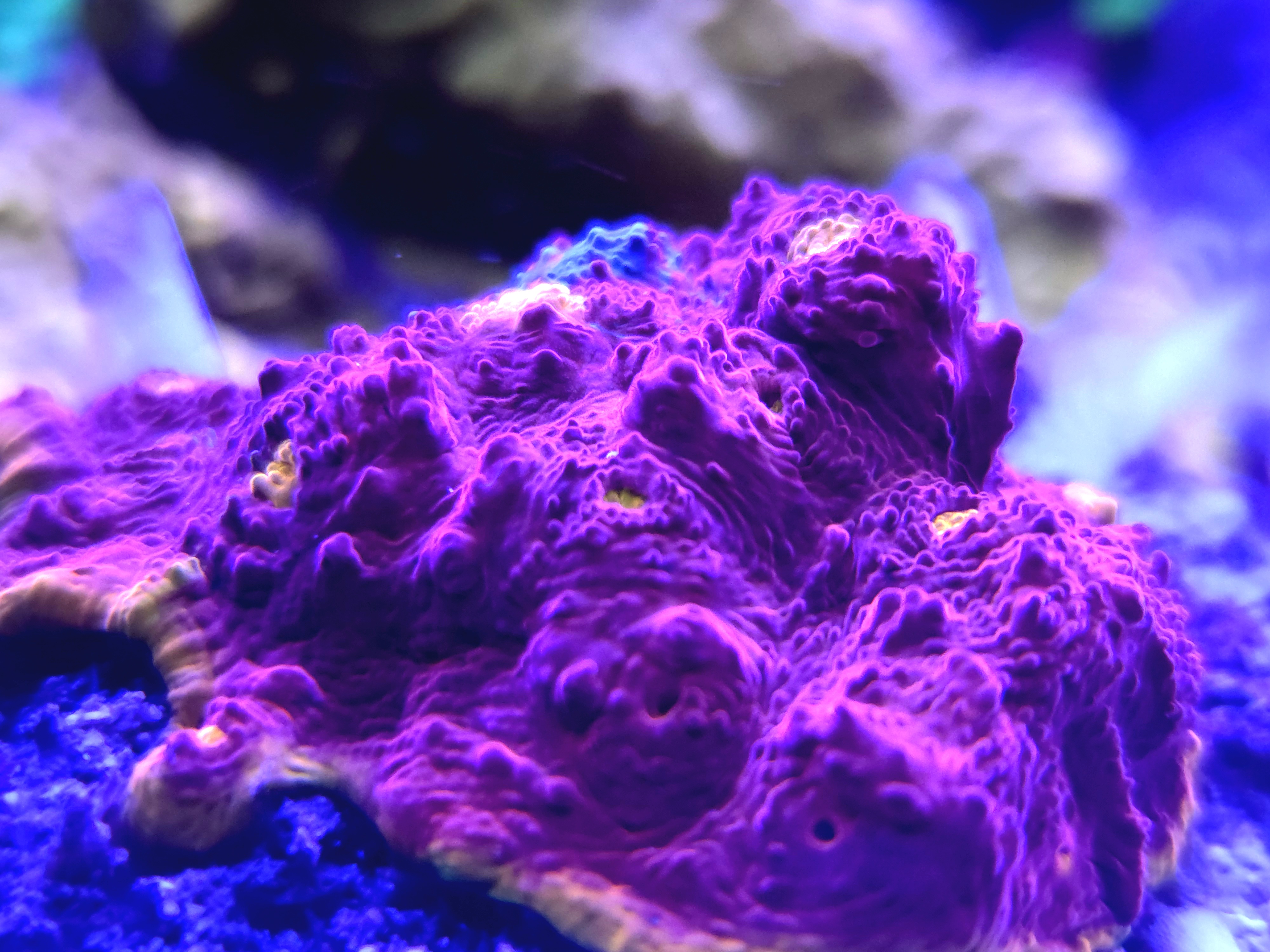
The Jellybean Chalice is a small coral with huge personality. Its bright, candy-like colors make it a favorite in modern reef tanks. With the right care, this coral can thrive and grow into a stunning centerpiece.
Jellybean Chalice Basics and Placement
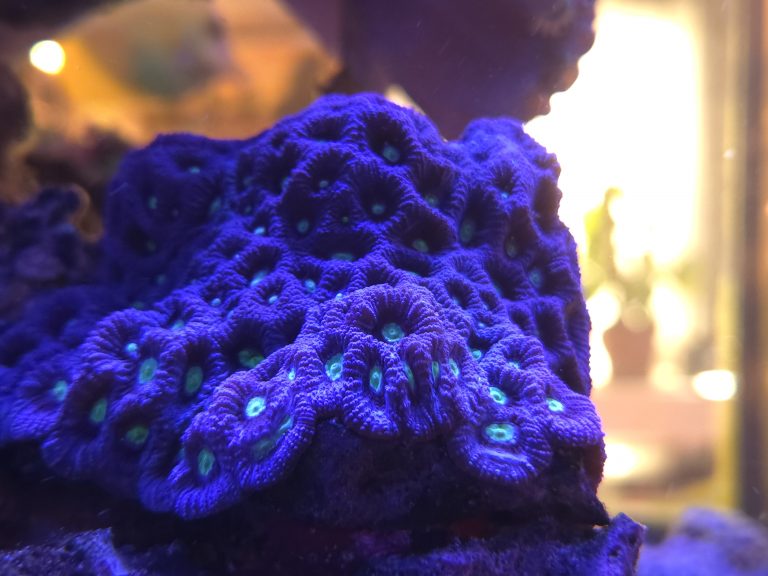
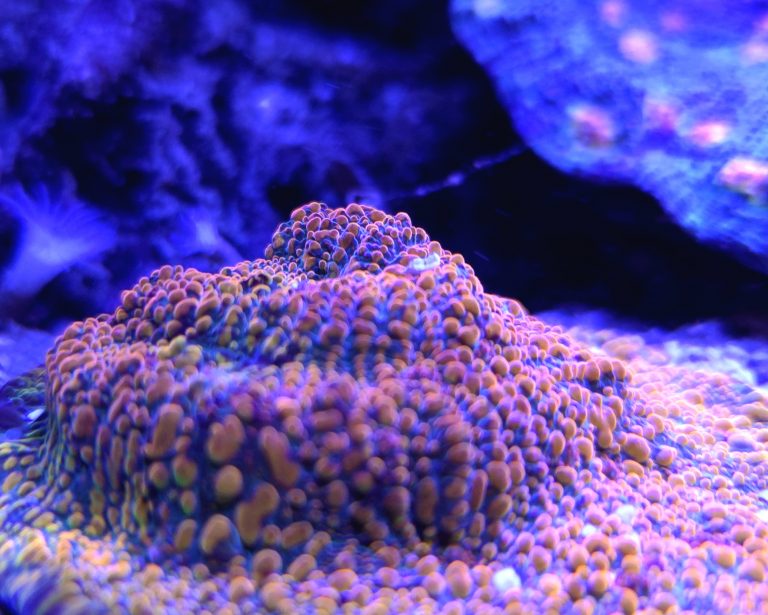
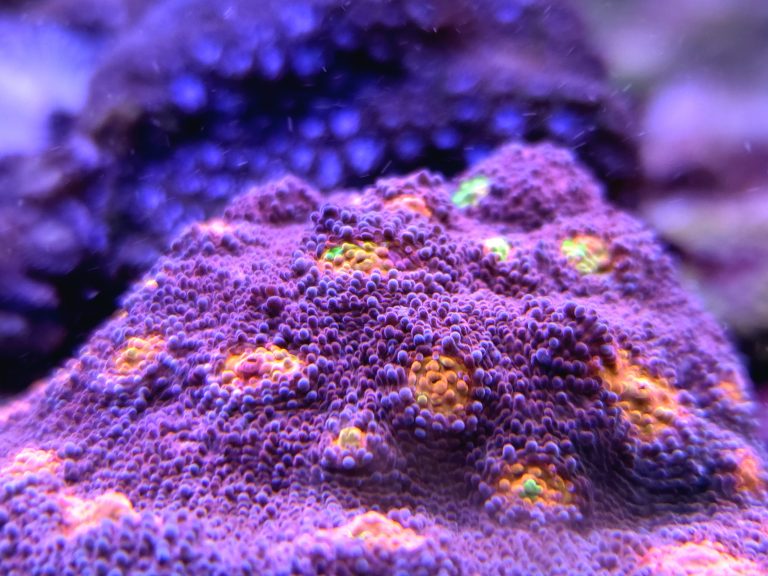
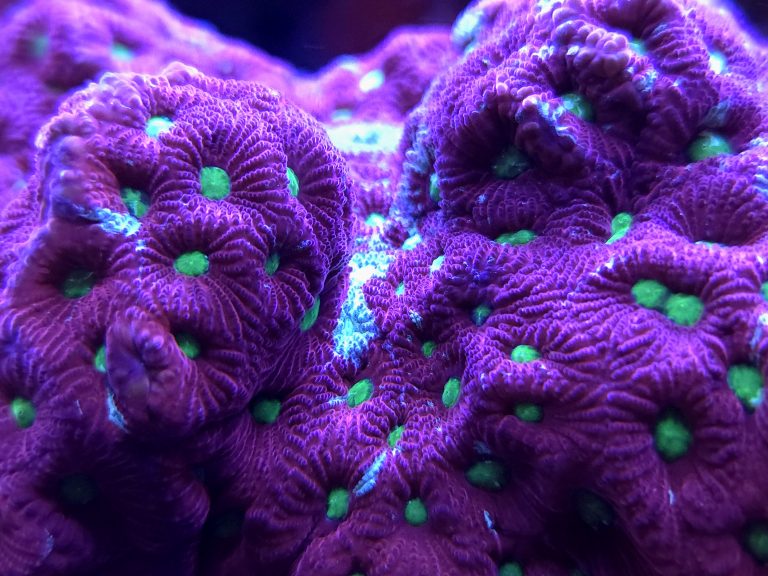
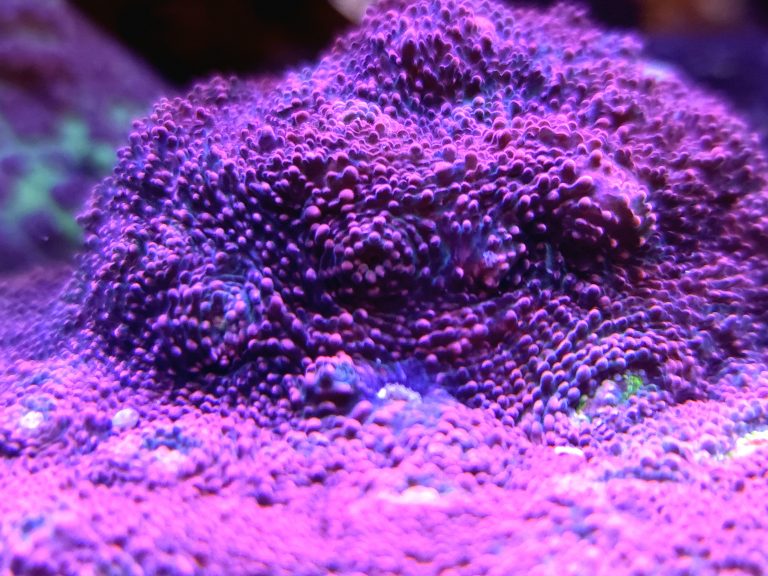
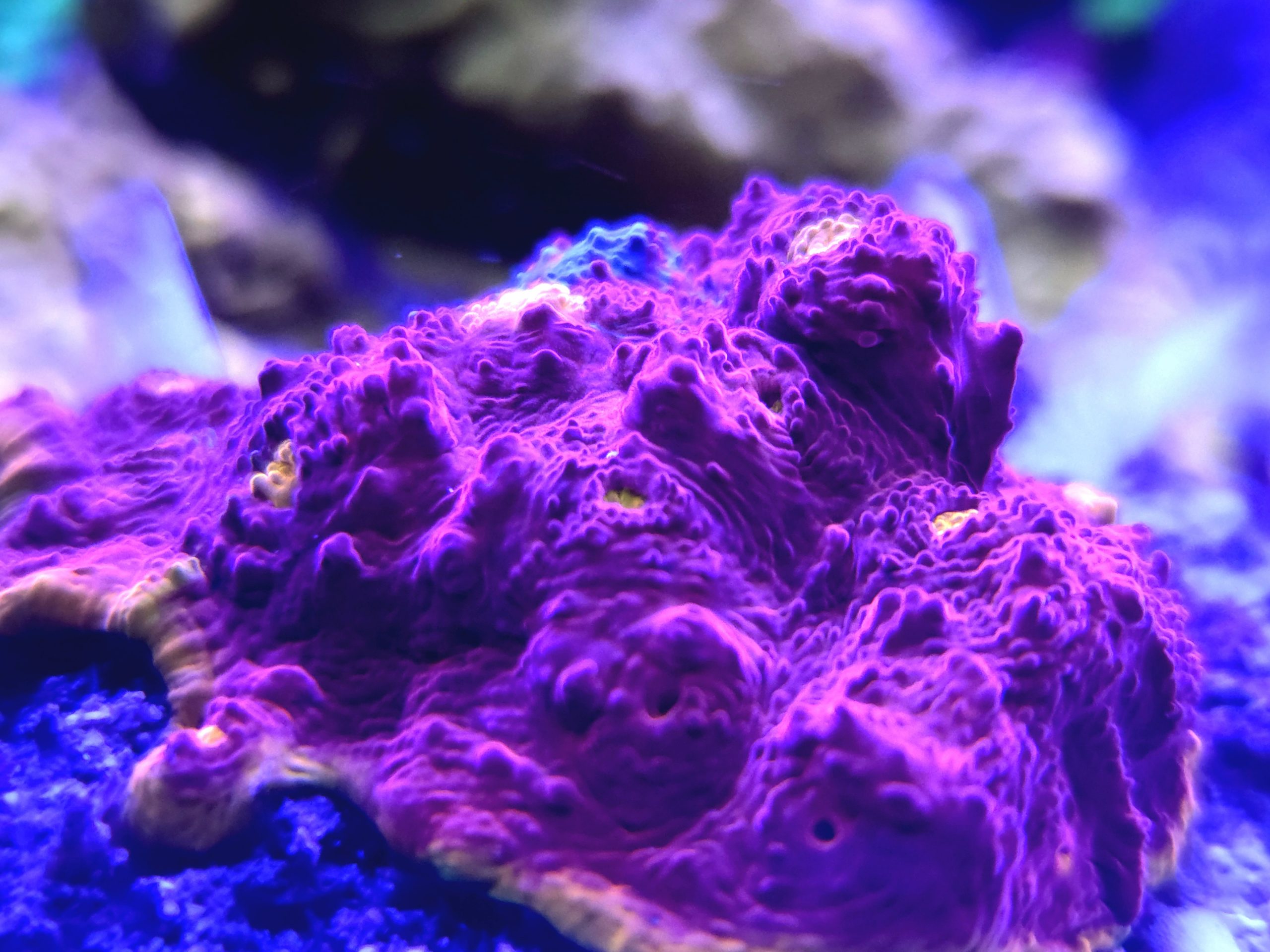
Jellybean Chalice is a common name for colorful Echinophyllia and Oxypora chalice corals. They show intense reds, greens, yellows, and blues. Each eye can display different colors, like a jellybean mix. This coral grows as an encrusting plate, spreading over rock.
Start this coral in a stable, mature tank. Aim for at least 30 gallons for better stability. Keep salinity at 1.025–1.026 specific gravity. Maintain temperature between 76–78°F. Stable alkalinity around 8–9 dKH helps growth and color.
Jellybean Chalice prefers low to moderate light. Place it on the sand bed or low rock ledges. PAR between 75–150 is usually ideal. Too much light can cause bleaching and color loss. Always acclimate to light slowly over 2–3 weeks.
Water flow should be low to moderate. Strong, direct flow can damage the delicate tissue. Aim for gentle, indirect movement that keeps debris off the surface. Avoid placing it under powerhead outlets or wave makers.
- Target PAR: 75–150 at the coral’s position
- Temperature: 76–78°F with less than 1°F daily swing
- Salinity: 1.025–1.026 specific gravity
- Alkalinity: 8–9 dKH, Calcium: 420–450 ppm, Magnesium: 1300–1400 ppm
Feeding, Growth, and Troubleshooting
Jellybean Chalice corals are photosynthetic but love extra feeding. They extend feeding tentacles mostly at night. You can encourage this by turning off pumps briefly and adding a small amount of food to the water. Target feed 2–3 times per week for best growth.
Use fine foods like reef roids, powdered coral foods, or small mysis shrimp. Turn off flow for 10–15 minutes while feeding. Gently squirt food over the eyes using a pipette or turkey baster. Avoid blasting the coral with strong jets.
- Feed after lights dim for better tentacle extension
- Start with very small food amounts to avoid nutrient spikes
- Test nitrates and phosphates weekly when increasing feeding
Jellybean Chalice can be aggressive. It has long sweeper tentacles that may sting neighbors. Leave 2–3 inches of space around it. Keep it away from fleshy LPS like acans and torches. Watch for tissue recession, bare skeleton, or faded colors. These often signal stress.
Common problems include burning from too much light, damage from falls, and low alkalinity. If colors fade, lower light intensity by 10–20% and watch for improvement. If tissue peels from the edges, test alkalinity, calcium, and magnesium immediately. Perform a 15–20% water change if parameters are off.
- Acclimate new Jellybean Chalice in a shaded, low-flow area for 7–10 days
- Use a coral rack on the sand bed during the first week
- Dip new frags to reduce pests like flatworms or nudibranchs