
Cycling a saltwater tank is the first real milestone in your reef journey. Done right, it creates a stable, healthy environment for fish and corals to thrive. Done wrong, it leads to algae blooms, stressed livestock, and endless frustration. In this guide, we’ll walk through how to cycle a saltwater tank step-by-step, how long it takes, and how to know when it’s truly ready for life.
What Is Cycling and Why Does It Matter?
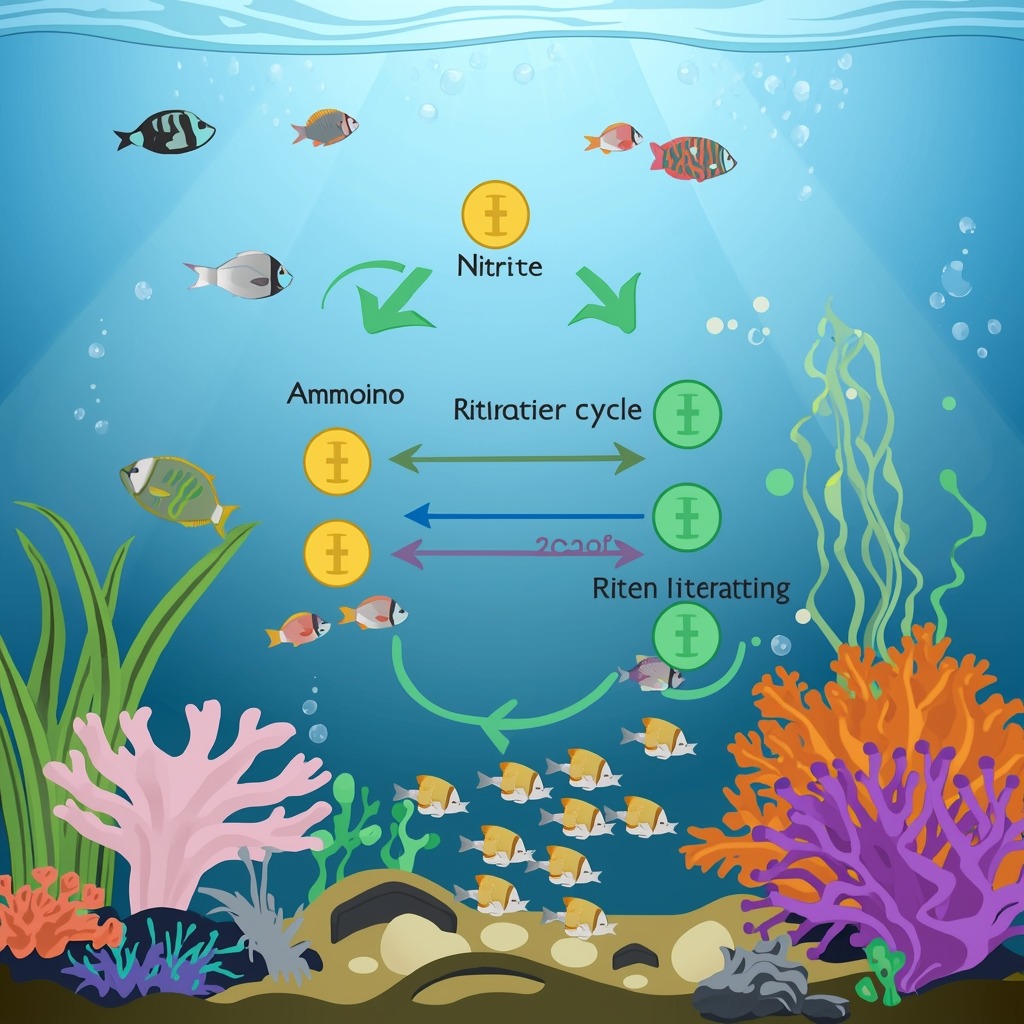
Cycling is the process of establishing beneficial bacteria that convert toxic waste into safer compounds. In a saltwater aquarium, the nitrogen cycle looks like this:
- Ammonia (NH3) – produced from fish waste, uneaten food, and decay; highly toxic.
- Nitrite (NO2) – formed as bacteria break down ammonia; also toxic.
- Nitrate (NO3) – formed as other bacteria convert nitrite; far less toxic at low levels.
When your tank is fully cycled, you should read 0 ppm ammonia, 0 ppm nitrite, and a small but detectable amount of nitrate. That tells you your biological filter is working.
Before you begin, make sure your tank is fully set up with saltwater, heater, powerheads, and rock. If you’re still planning your rockwork and equipment, check out our guide on aquascaping ideas for reef tanks to get your layout right from day one.
Step-by-Step: How to Cycle a Saltwater Tank
1. Add Your Rock and Substrate
Most hobbyists use a combination of live rock and dry rock, plus sand. Rinse dry sand thoroughly before adding it to reduce cloudiness. Arrange your rock structure securely so it won’t shift when you add flow or clean the glass.
2. Provide an Ammonia Source
Your bacteria need food to grow. You can start the cycle in a few ways:
- Pure ammonia dosing – Add unscented household ammonia to reach about 2 ppm in the tank.
- Raw shrimp method – Place a small piece of raw shrimp in a mesh bag and let it break down.
- Fishless food method – Add a tiny pinch of fish food daily and let it decompose.
A bottled bacteria product can speed things up, but it’s optional. If you use one, follow the manufacturer’s dosing instructions.
3. Test Your Water Regularly
Use a reliable test kit to track your cycle. For the first few weeks, test every 2–3 days for:
- Ammonia
- Nitrite
- Nitrate
You’ll typically see ammonia rise, then drop as nitrite spikes, followed by nitrate increasing. This process usually takes 3–6 weeks, sometimes longer depending on temperature, rock, and bacteria sources.
Pro tip: Keep your heater set around 77–79°F (25–26°C) during the cycle. Warmer water helps bacteria multiply faster.
4. Wait for Stable, Safe Readings
Your tank is considered cycled when:
- Ammonia reads 0 ppm.
- Nitrite reads 0 ppm.
- Nitrate is present (typically 5–30 ppm).
To be extra sure, you can perform an “ammonia challenge”: dose the tank back up to ~1 ppm ammonia and retest 24 hours later. If both ammonia and nitrite return to zero, your biofilter is ready to handle a light fish load.
After the Cycle: First Livestock and Maintenance
Before adding any fish or invertebrates, perform a 20–30% water change to reduce nitrate and refresh trace elements. Then:
- Add only 1–2 hardy fish at first, not a full stocking list.
- Feed lightly and avoid overstocking early on.
- Test weekly for ammonia, nitrite, nitrate, and salinity.
As your tank matures, you can slowly introduce more fish and eventually corals. For help choosing your first additions, see our beginner-friendly guide on best saltwater fish for beginners.
Expect some algae during the first few months—that’s normal in a new system. A good clean-up crew and solid husbandry will help keep it in check. If you’re planning a reef, our article on reef tank maintenance schedules can help you build good habits from the start.
Cycling a saltwater tank requires patience, but it’s worth every day you wait. By allowing beneficial bacteria to establish and verifying your water parameters, you’ll give your future inhabitants a stable, healthy home and set yourself up for long-term success in the hobby.