Frankenstein Bounce Mushroom
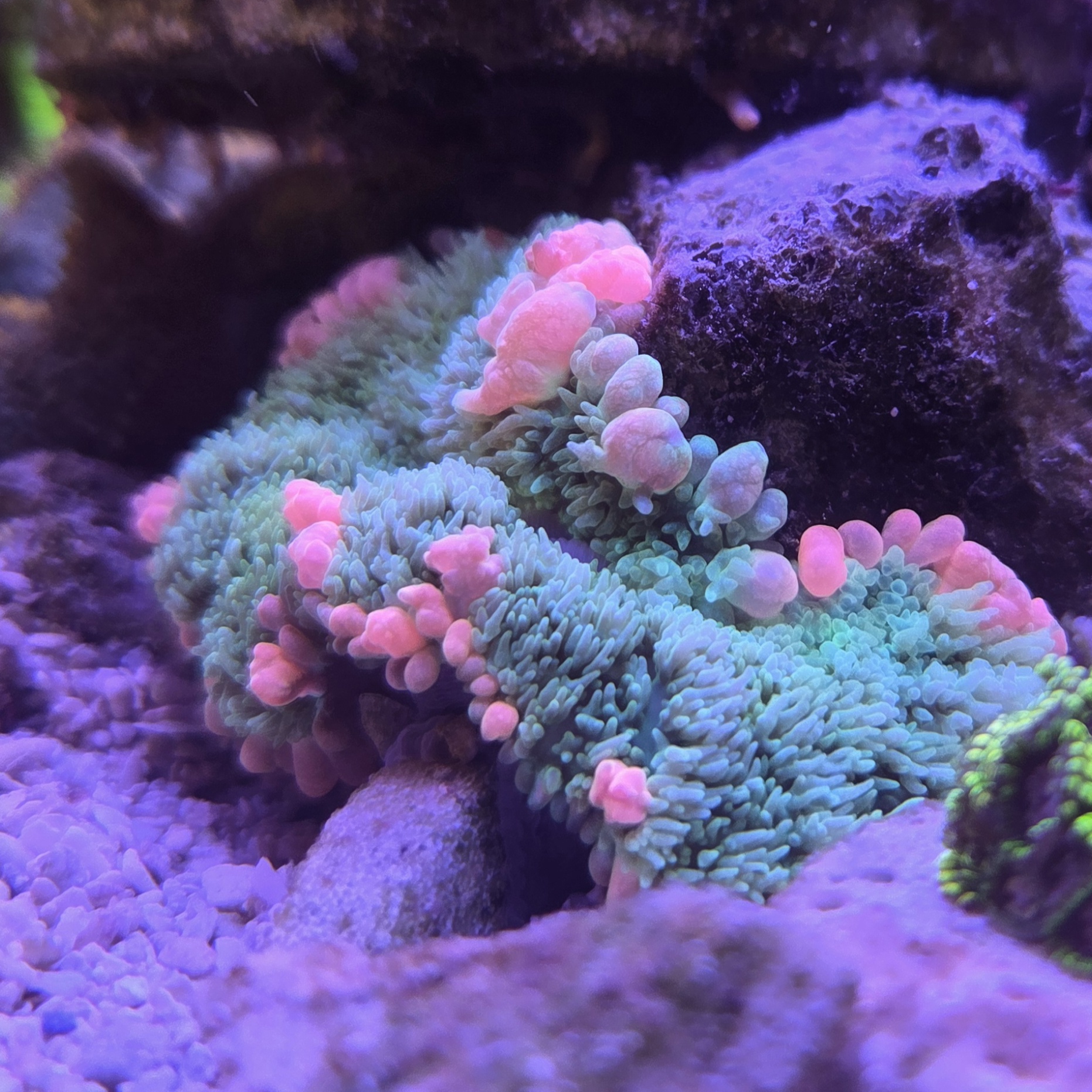
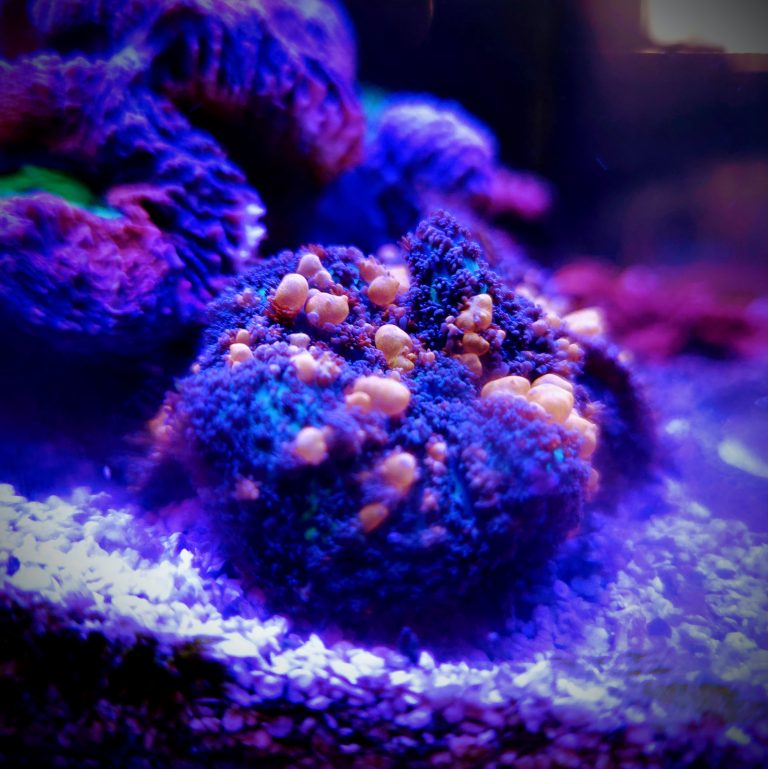
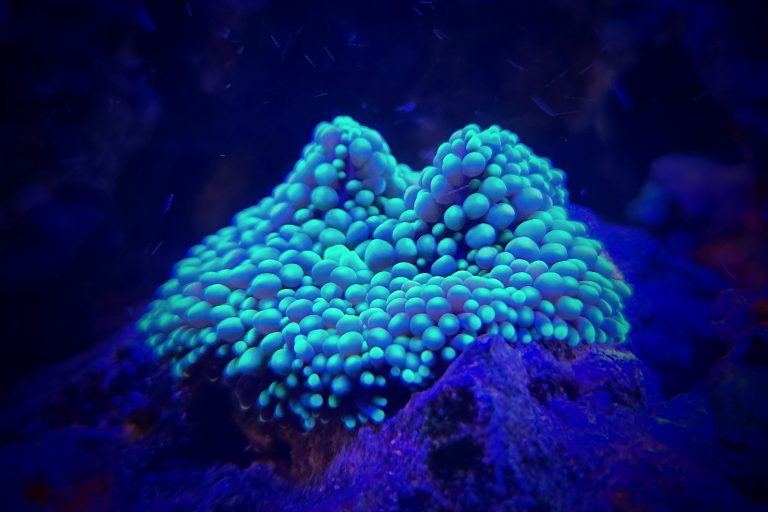
The Frankenstein Bounce Mushroom is one of the most eye-catching corals in the hobby. Its swollen, neon bubbles and wild patterns make it a true centerpiece. With the right care, this mushroom can thrive and grow into a stunning colony.
What Makes a Frankenstein Bounce Mushroom Special?
This coral is a type of Rhodactis mushroom with exaggerated bubble growths. The “Frankenstein” name usually refers to bright, mixed colors and oversized bounces. You might see greens, oranges, yellows, and sometimes purple streaks on one polyp.
Most hobbyists keep Frankenstein Bounces in low to moderate light. Aim for 80–150 PAR. Too much light can cause the bubbles to shrink and colors to fade. Start the coral on the sand bed, then slowly move it up if needed.
Flow should be gentle and indirect. The bubbles should sway slightly, not whip around. Strong, direct flow can cause the tissue to tear. Place the mushroom on a rock ledge or island where it can expand without being blasted by powerheads.
Keep water parameters very stable. Target these ranges:
- Temperature: 76–78°F (24–26°C)
- Salinity: 1.025–1.026 specific gravity
- Alkalinity: 8–9 dKH
- Calcium: 400–450 ppm
- Nitrate: 5–15 ppm, Phosphate: 0.03–0.1 ppm
Caring, Feeding, and Fragging Tips
Frankenstein Bounces prefer slightly “dirty” water compared to SPS corals. Do not chase ultra-low nutrients. A small, stable amount of nitrate and phosphate keeps the polyp inflated and colorful. Avoid big parameter swings from aggressive water changes.
Feeding is optional but helpful. Target feed once or twice per week. Use small meaty foods like reef roids, minced mysis, or tiny pellet coral foods. Turn off flow for 10–15 minutes so food can settle on the polyp.
- Use a pipette or turkey baster for target feeding.
- Offer very small portions to avoid rot.
- Resume flow slowly to prevent food blowing away.
Fragging Frankenstein Bounces is possible but risky due to their high value. Only cut healthy, well-established mushrooms. Use a clean, sharp scalpel and slice through the mouth to create even halves. Place frags in a low-flow, low-light frag box with rubble.
- Allow at least 2–3 weeks for frags to heal.
- Do not move or poke healing frags.
- Watch for bacterial infections or tissue melting.
Common problems include shrinking bubbles, bleaching, and detachment. Shrinking often means too much light or too little nutrient. Bleaching usually follows a rapid light change. Detachment can happen from high flow or sudden parameter swings. Adjust light and flow slowly, and test water weekly to keep this prized mushroom happy.
Add to Wishlist