Duncans
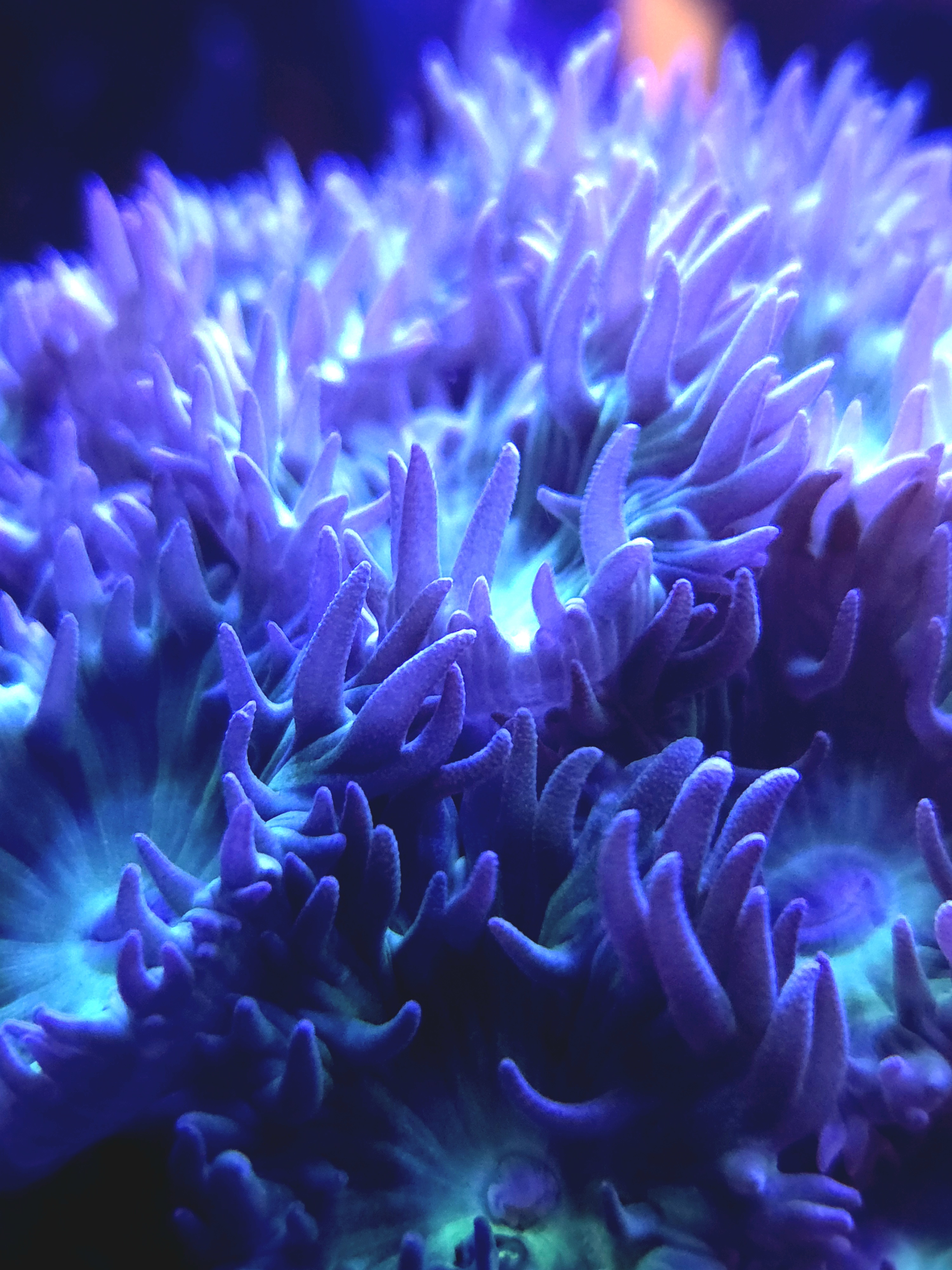
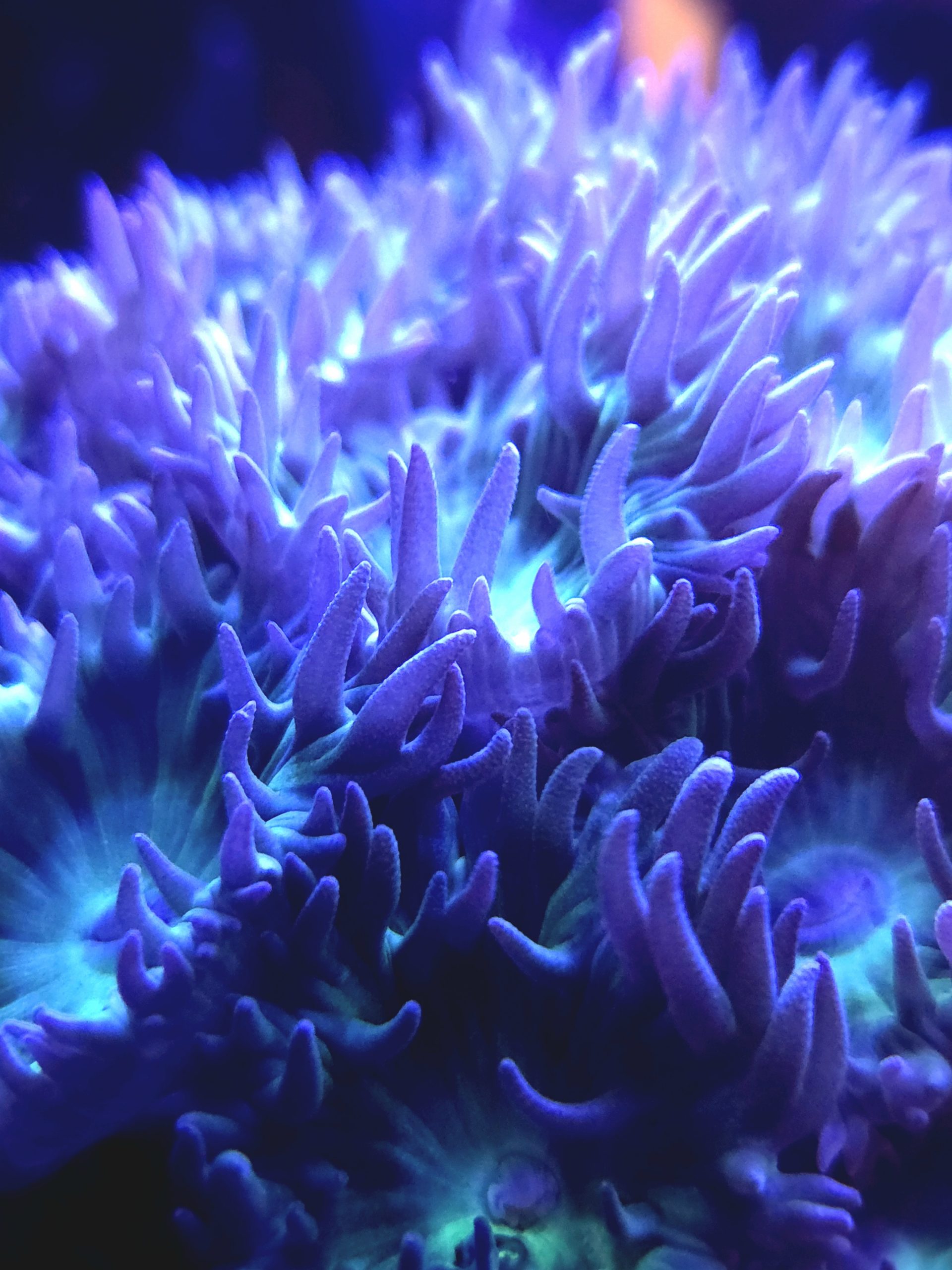
Duncan corals are a favorite starter LPS for many reef keepers. They grow fast, look impressive, and forgive small mistakes. With the right care, a single head can become a full, flowing colony in a year.
Understanding Duncan Corals and Their Basic Needs
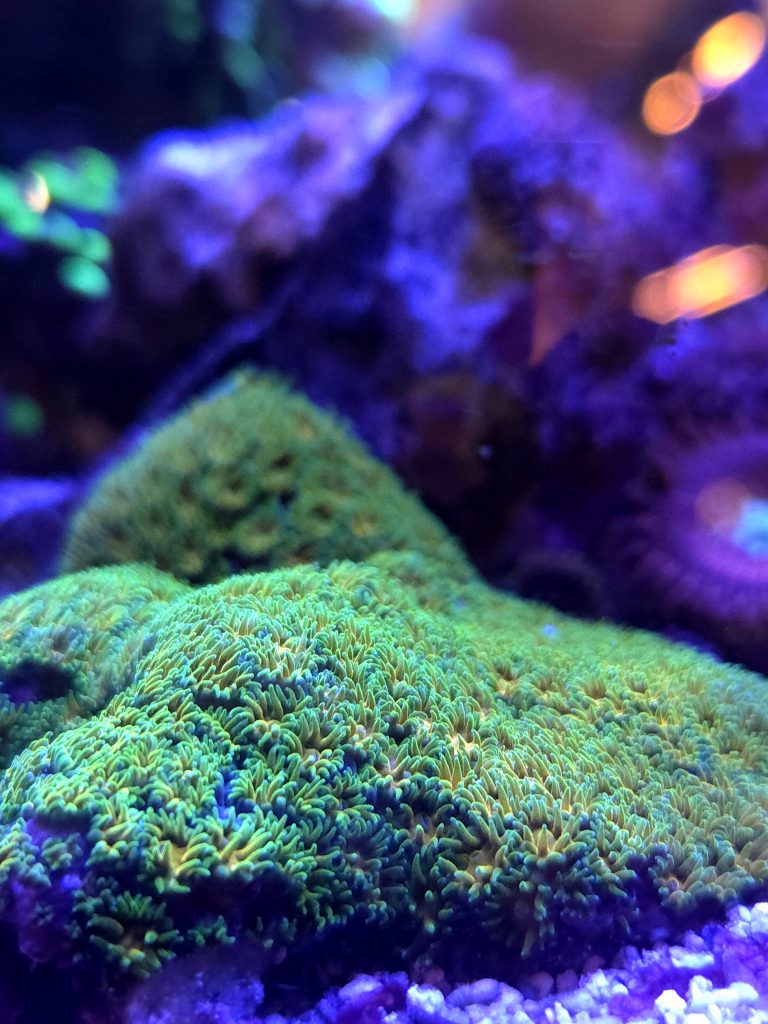
Duncans (Duncanopsammia axifuga) are large polyp stony corals. They have fleshy tentacles and a hard skeleton. Each head is an individual polyp that can bud new heads from the base. They are peaceful and rarely sting neighbors.
Place Duncans in the lower to middle area of the tank. Aim for moderate light and gentle to moderate flow. PAR between 80 and 150 works well for most systems. Avoid blasting the polyps directly with powerheads. The tentacles should sway, not whip.
Stable water parameters are more important than chasing perfect numbers. Target these ranges for success:
- Temperature: 24–26°C (75–79°F)
- Salinity: 1.025–1.026 specific gravity
- Alkalinity: 8–9.5 dKH, Calcium: 420–450 ppm, Magnesium: 1300–1400 ppm
- Nitrate: 5–15 ppm, Phosphate: 0.03–0.1 ppm
Use a refractometer, not a swing-arm hydrometer, for salinity. Test alkalinity at least twice weekly in young tanks. Sudden swings cause Duncans to stay closed for days. They may also recede from the skeleton if stress continues.
When placing a new Duncan, start in lower light. Move it up slowly over two to three weeks. Watch polyp extension. Long, relaxed tentacles mean it is happy. Short, tight tentacles suggest too much light or flow.
Feeding, Growth, and Troubleshooting Problems
Duncans can live on light and nutrients alone, but feeding boosts growth. Target feed 2–3 times per week for best results. Use small meaty foods like mysis shrimp, chopped krill, or high-quality reef pellets. Turn off flow for 10–15 minutes while feeding.
- Use a turkey baster or pipette to place food on each head.
- Offer small portions so food is swallowed within two minutes.
- Siphon uneaten food to avoid nutrient spikes.
A healthy, well-fed Duncan will add new heads regularly. You may see tiny buds forming around the base. In a 6–12 month period, a single head can become 10 or more in good conditions. Keep enough space for future growth. Leave at least 5–8 cm between the colony and other corals.
Common problems often have simple fixes:
- Polyps not opening: Check for pests, fish nipping, or sudden parameter swings.
- Tissue recession: Test alkalinity and salinity. Correct slowly over several days.
- Brown jelly disease: Frag off healthy heads. Increase flow and siphon infected tissue.
Many reef fish ignore Duncans, but some cannot resist a snack. Watch dwarf angels, butterflyfish, and some wrasses closely. If you see repeated nipping, use a mesh cover or move the coral. Duncans are also good indicators of tank stability. If they stay fully extended most days, your reef is likely on the right track.
Add to Wishlist