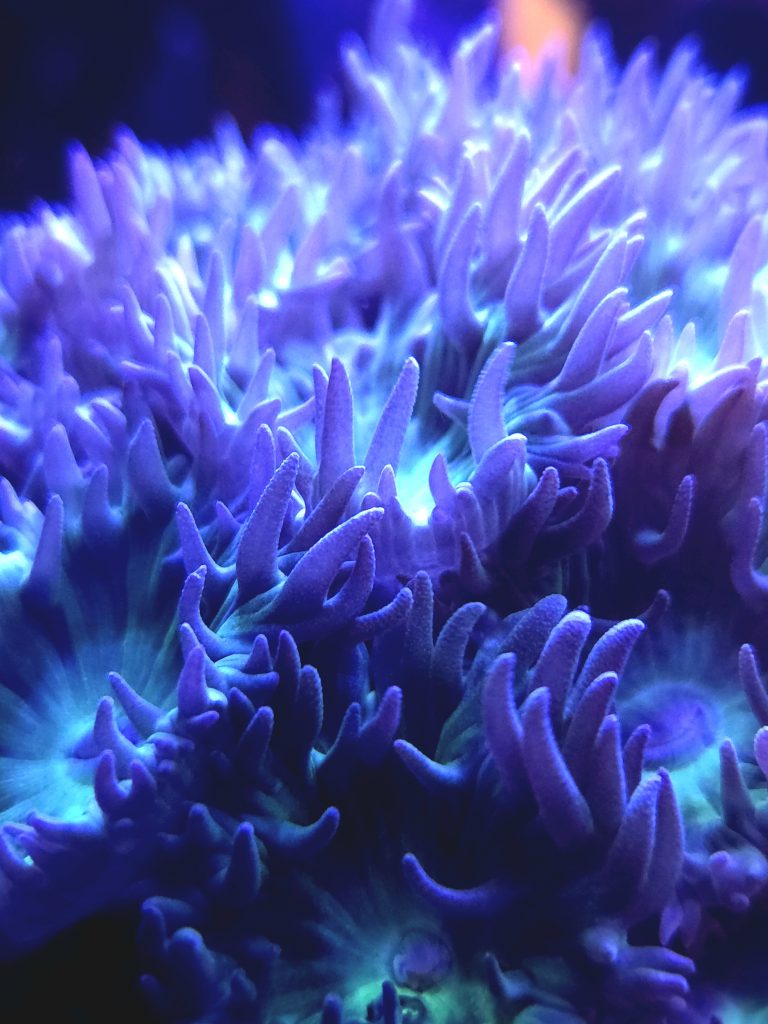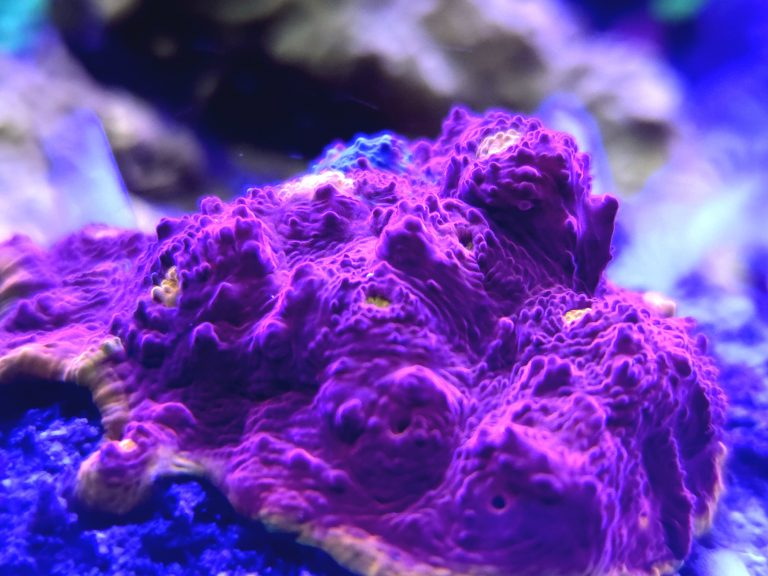
Convict Chalice
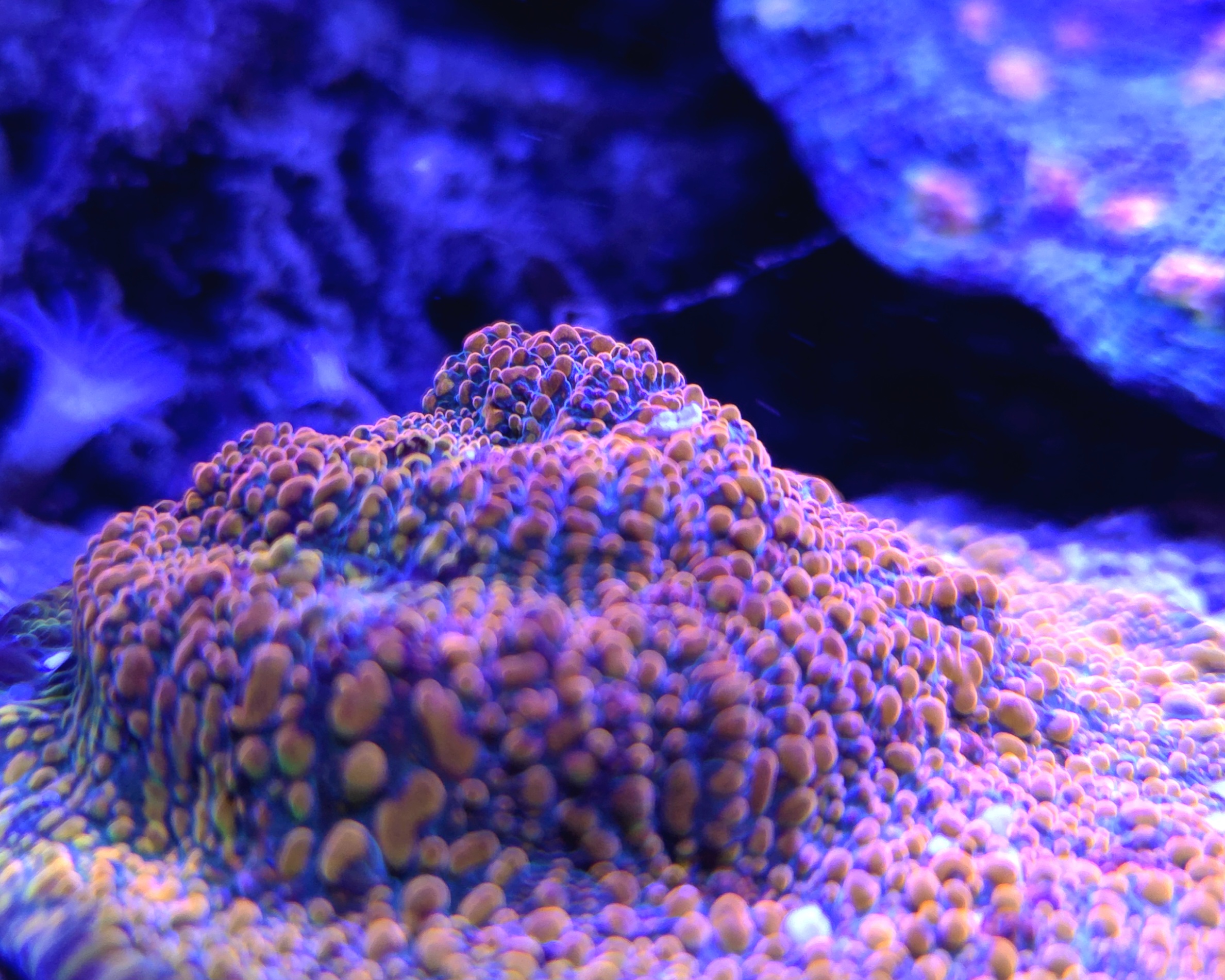
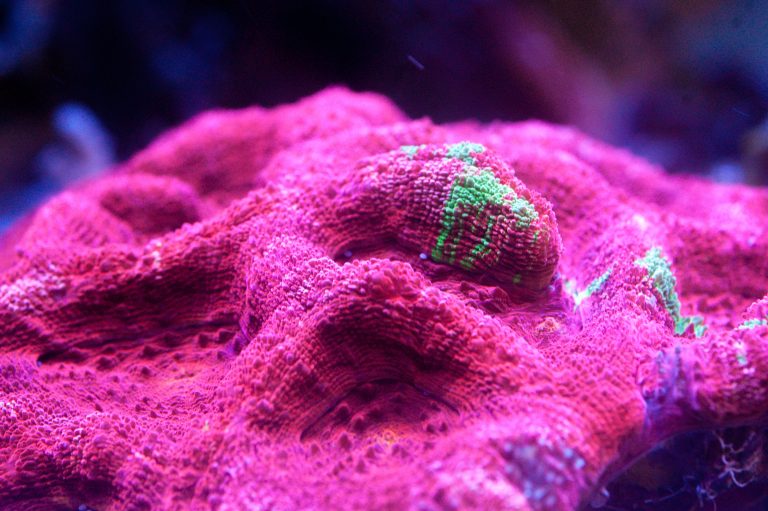
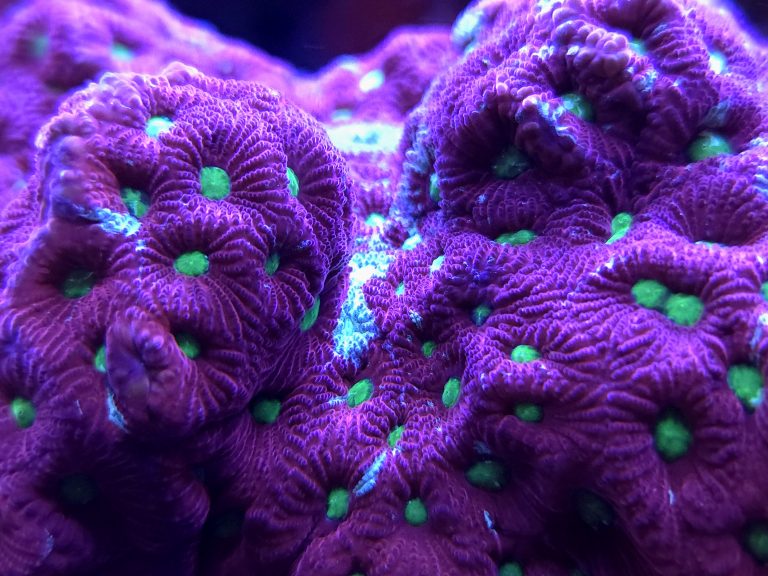
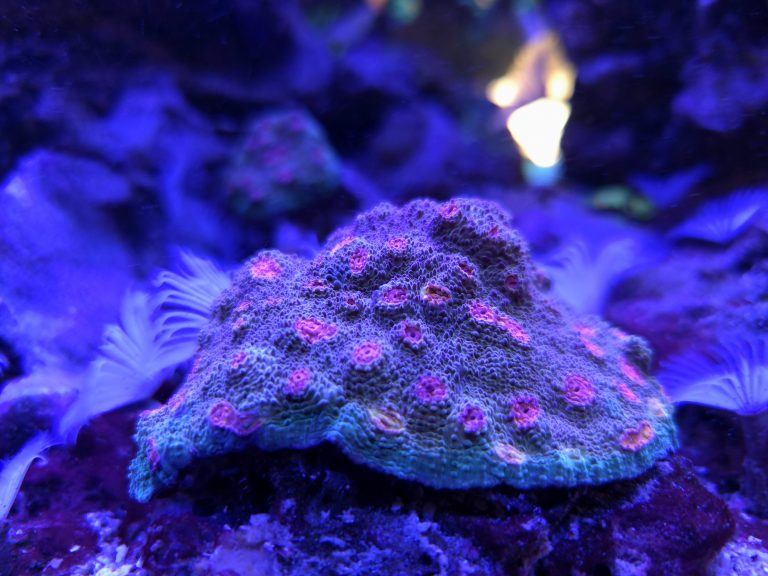
The Convict Chalice coral is a striking LPS with bold, banded patterns. It offers intense color and unique texture, but it needs thoughtful care. With the right placement and stable parameters, this coral can become a true showpiece.
Convict Chalice Basics and Ideal Tank Conditions
Convict Chalice is usually an Echinophyllia or Oxypora type coral. It forms a flat, plating skeleton with fleshy tissue. The “convict” name comes from its striped, prison-uniform pattern. Colors range from neon green and orange to deep reds and purples.
Place Convict Chalice in a mature tank. Aim for at least 30 gallons for stability. Keep salinity at 1.025–1.026 specific gravity. Maintain temperature between 24–26°C (75–79°F). Target alkalinity around 8–9 dKH, calcium 420–450 ppm, and magnesium 1300–1400 ppm. Nitrate should sit near 5–15 ppm, and phosphate around 0.03–0.08 ppm.
This coral prefers low to moderate light. PAR between 80–150 is a good range. Strong light can bleach the tissue and fade the stripes. Use acclimation mode on your LEDs when first adding it. Start on the sandbed and slowly raise the coral over 2–3 weeks if needed.
Flow should be moderate and indirect. Flesh can tear under direct, high flow. Watch for tissue recession on the edges. That often means flow is too strong or too focused.
- Target PAR: 80–150 at the coral’s surface
- Temperature: 24–26°C (75–79°F), stable daily swing under 1°F
- Nitrate: 5–15 ppm, avoid sudden drops to zero
Placement, Feeding, and Troubleshooting Tips
Convict Chalice does best on the sandbed or a low rock ledge. Give at least 5–8 cm (2–3 inches) of space around it. Many chalices have short sweeper tentacles at night. They can sting nearby corals. Keep it away from aggressive LPS like favias and some acans.
Feed this coral two to three times per week for best growth. Turn off flow pumps during feeding. Use a pipette to target-feed small foods. Offer mysis shrimp, finely chopped krill, or quality LPS pellets. Feed after lights dim, when feeding tentacles extend. Do not overfeed. Excess food can raise nutrients and fuel algae.
- Target-feed 2–3 times weekly with small meaty foods
- Turn off flow for 10–15 minutes during feeding
- Remove uneaten food with a turkey baster afterward
Watch for common stress signs. Fading colors usually mean too much light or unstable nutrients. Move the coral to lower light and test nitrate and phosphate. Tissue peeling from the edges often points to swings in alkalinity or salinity. Check your auto top-off and dosing schedule. Brown jelly or rapid tissue loss is an emergency. Frag away healthy tissue and increase flow nearby, then use an iodine dip.
- Avoid placing Convict Chalice under fresh, untested LED schedules
- Quarantine new frags for 2–4 weeks to prevent pests
- Log parameters weekly to catch slow swings early
With patient acclimation and steady water chemistry, Convict Chalice becomes a hardy, rewarding coral. Its bold stripes and glowing colors can anchor your entire aquascape.
Add to Wishlist