Red Montipora Capricornis
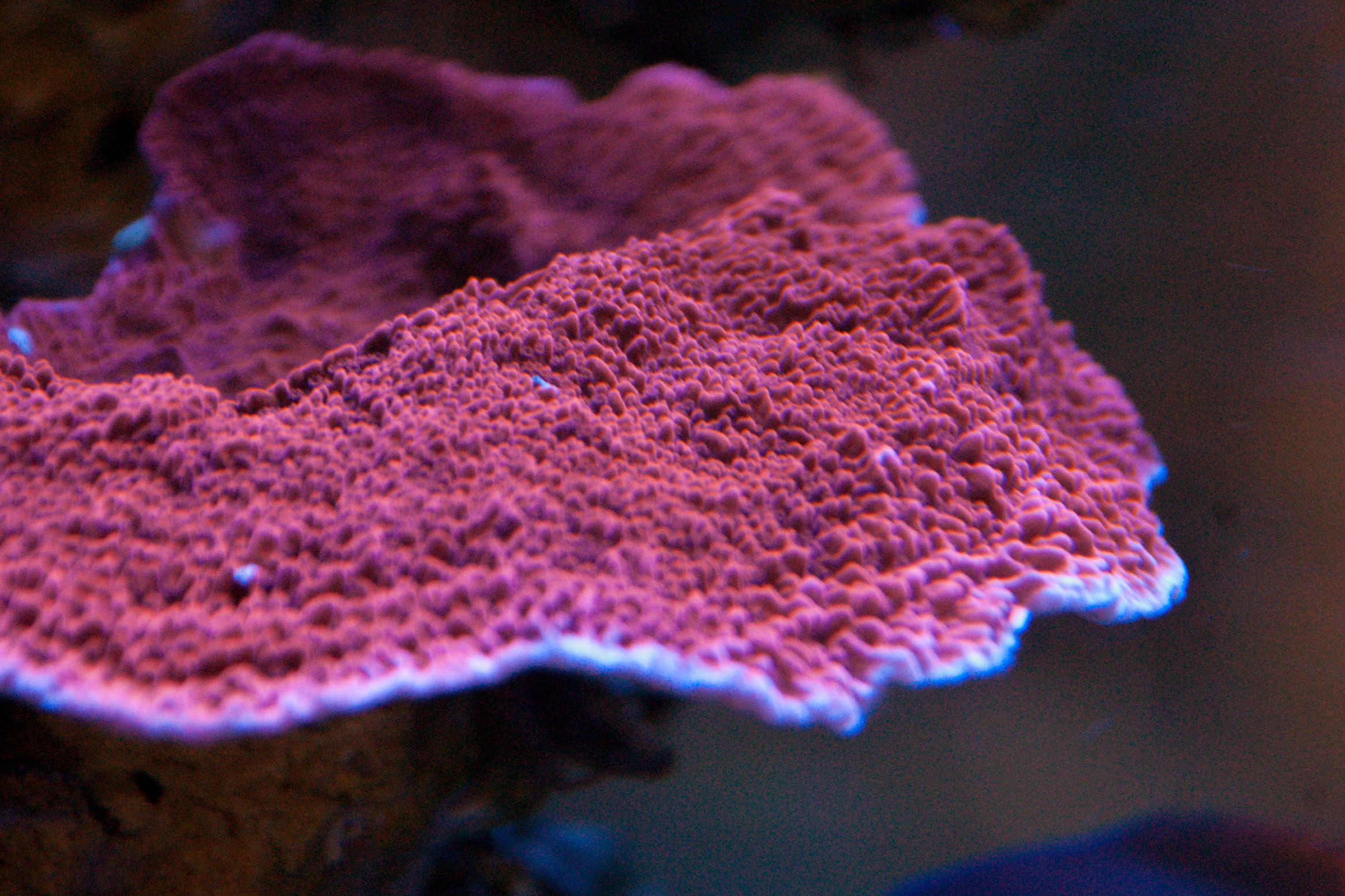
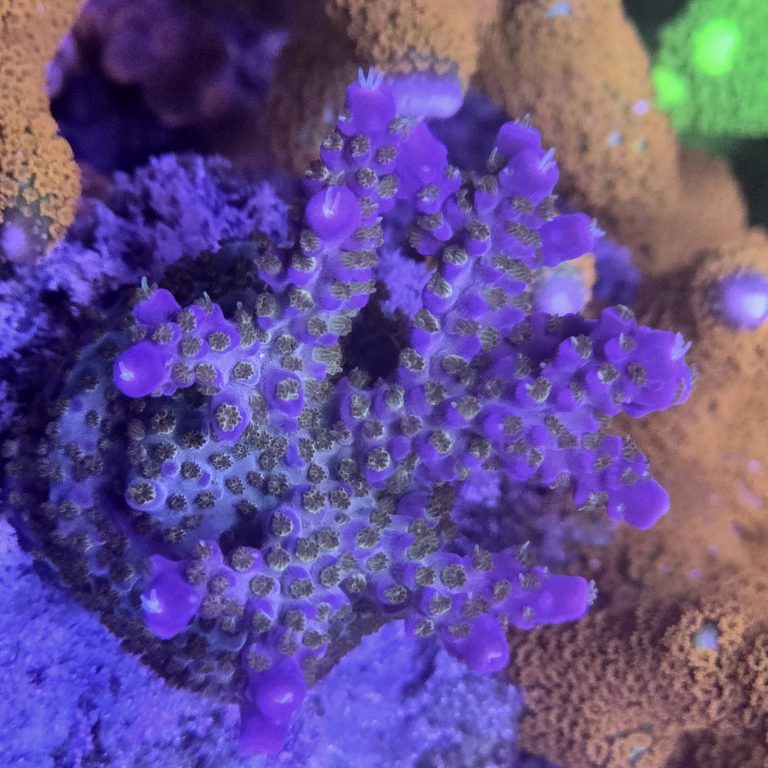
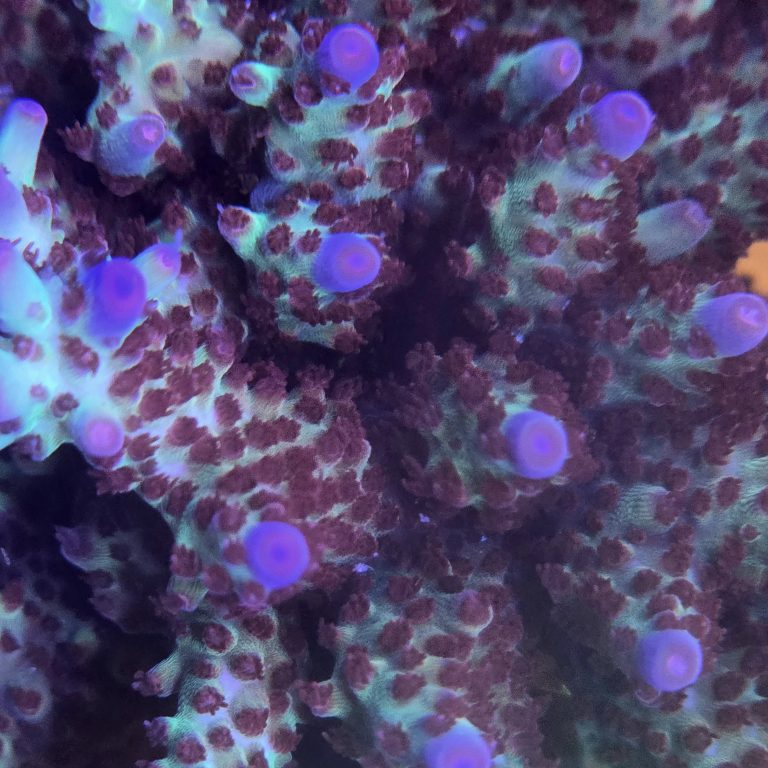
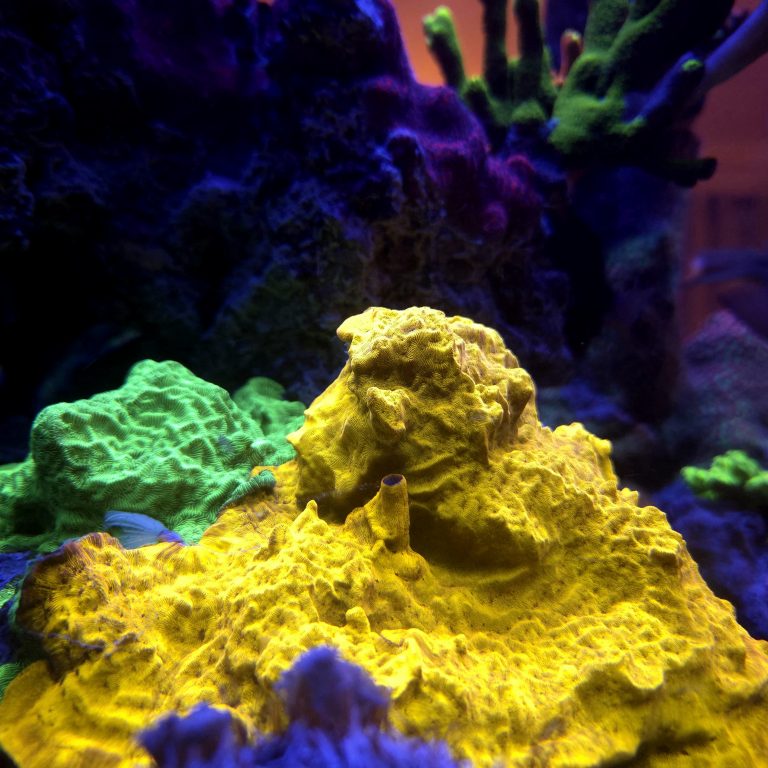
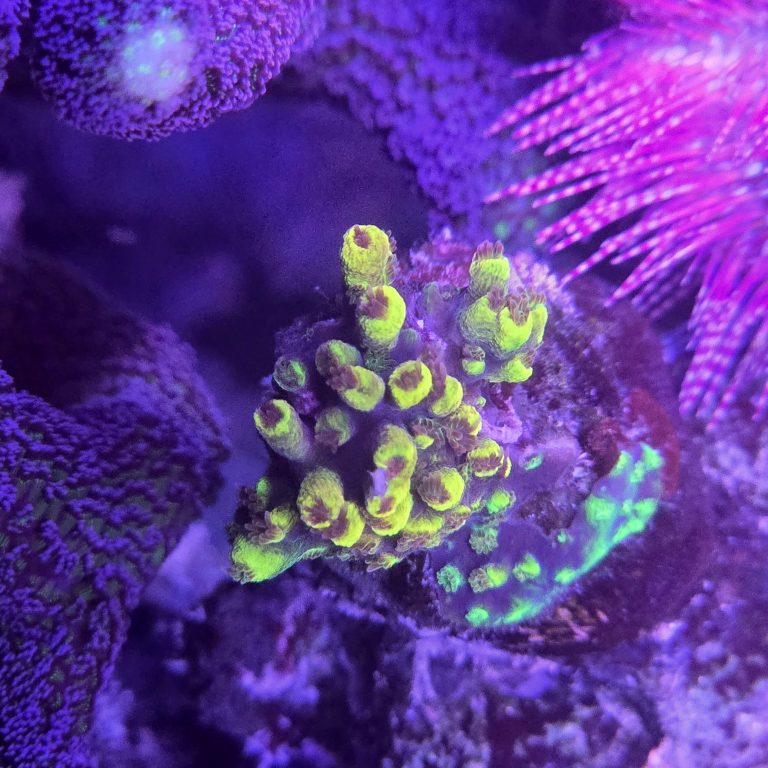
Red Montipora capricornis is a favorite SPS coral for many reef keepers. Its bright plating growth and rich red color make a huge impact. With stable conditions, it can grow quickly and form beautiful shelves.
Red Monti Cap Basics and Ideal Tank Conditions
Red Montipora capricornis is considered an SPS coral, but it is more forgiving than many Acropora. It forms flat or swirling plates that shade lower areas. Plan your rockscape so it has room to grow outward and upward.
Keep this coral in a mature tank, at least 6–8 months old. Aim for stable parameters. Target these values for best growth and color:
- Temperature: 77–79°F (25–26°C), with less than 1°F swing daily
- Salinity: 1.025–1.026 specific gravity
- Alkalinity: 8–9.5 dKH, very stable
- Calcium: 420–450 ppm
- Magnesium: 1300–1400 ppm
- Nitrate: 5–15 ppm, not zero
- Phosphate: 0.03–0.08 ppm
Provide strong, random flow. Aiming for 20–40 times tank turnover per hour works well. Avoid direct, laminar blasts at the coral edge. This can cause tissue recession on the rim.
Lighting should be moderate to high. PAR between 200–300 is a good target. Place frags mid to high in the tank. Acclimate slowly to strong LEDs to prevent bleaching.
Placement, Growth, Feeding, and Troubleshooting
Start a new frag on a stable rock ledge. Leave at least 4–6 inches of space around it. The coral will plate outward and can shade or touch neighbors. It can overgrow nearby encrusting corals over time.
- Use epoxy or super glue gel for secure mounting
- Keep it away from aggressive LPS sweepers
- Plan future growth when designing aquascape
Red Monti caps rely mostly on light and stable chemistry. They do not require heavy feeding. However, they benefit from a nutrient-rich environment and occasional coral foods. Target feed once or twice weekly with fine particle foods. Turn off pumps for 10–15 minutes while feeding.
Watch for common problems. Faded color often means too little nutrient or too much light. Brown, dull color usually suggests high nutrients or low PAR. Sudden white patches can mean rapid tissue necrosis. In that case, frag away healthy sections and improve stability.
- Test alkalinity at least 2–3 times per week
- Use an auto top-off to keep salinity steady
- Perform 10–15% water changes every 1–2 weeks
Check for pests like montipora-eating nudibranchs. Look for tiny white slugs and bite marks on the edges. Dip new frags for 5–10 minutes in a coral dip before adding them. Quarantine new SPS for several weeks when possible.
With patience and planning, a red Montipora capricornis can become a showpiece. Its layered plates add depth and color to any reef. Stable parameters, thoughtful placement, and regular observation are the keys to success.
Add to Wishlist