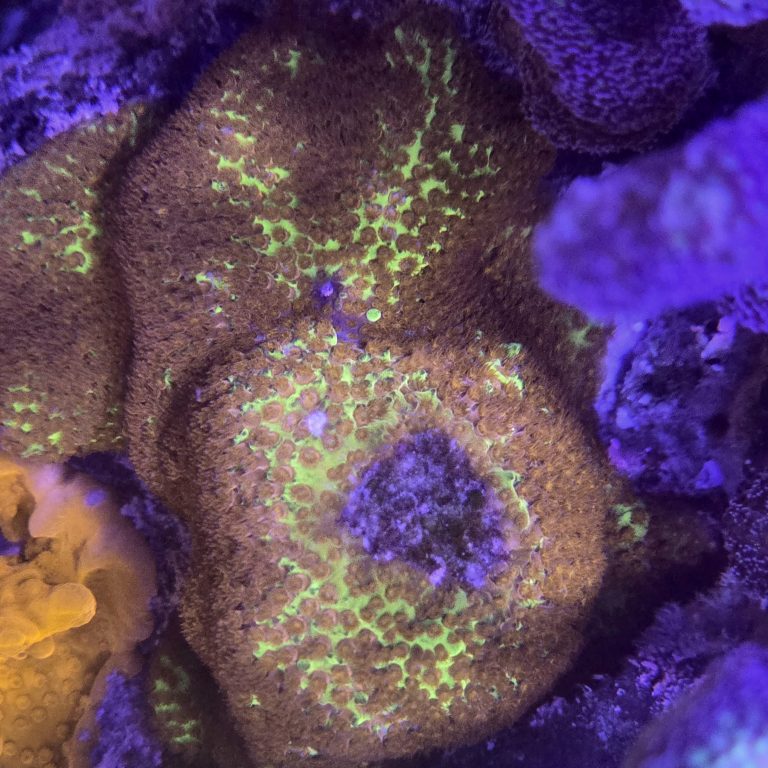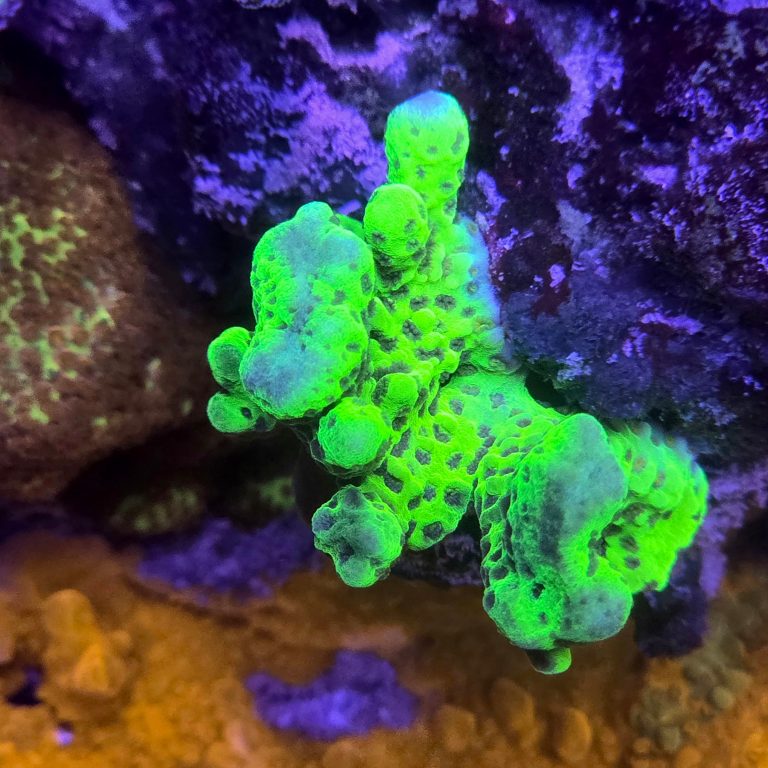
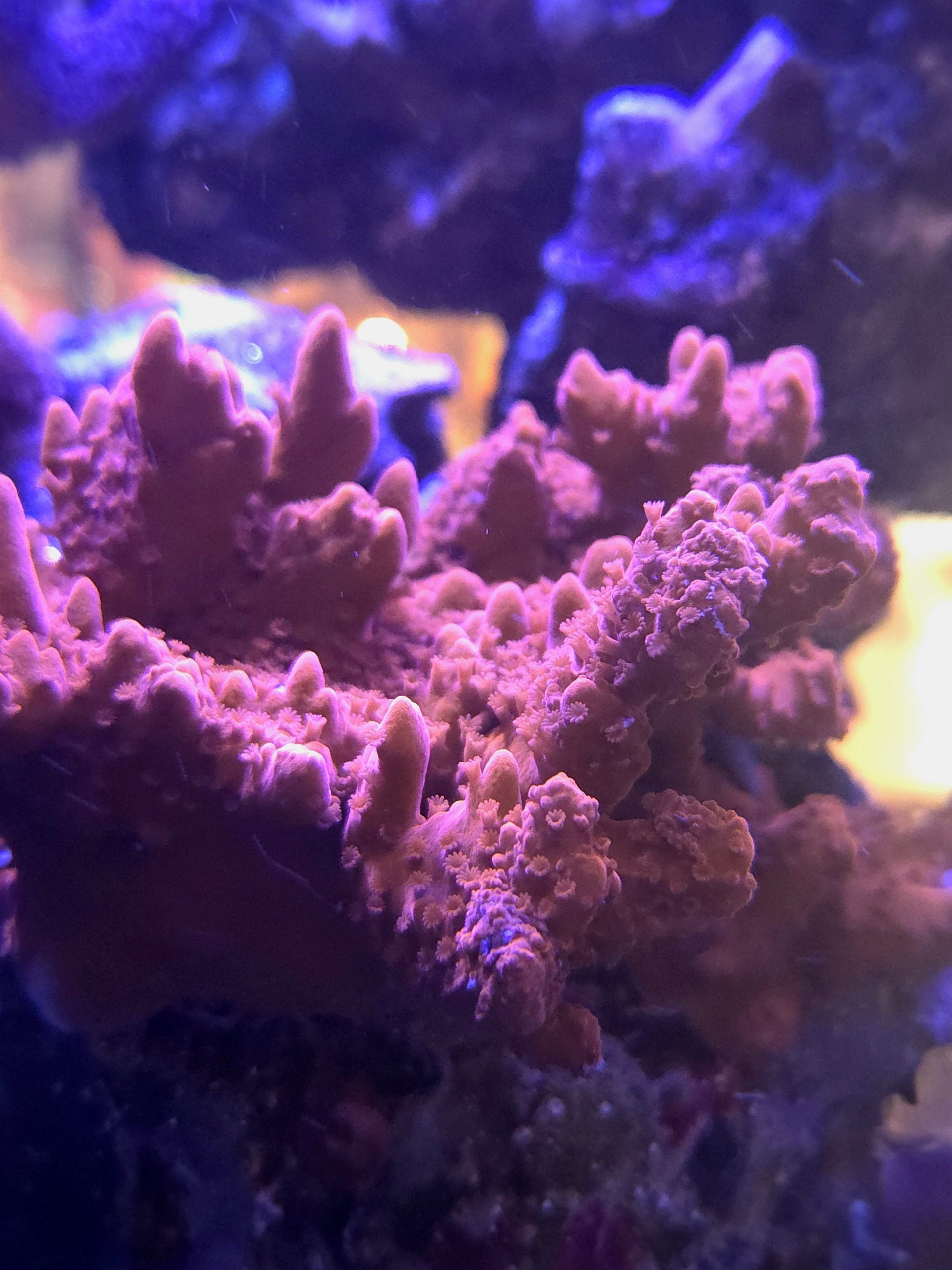
Montipora Setosa
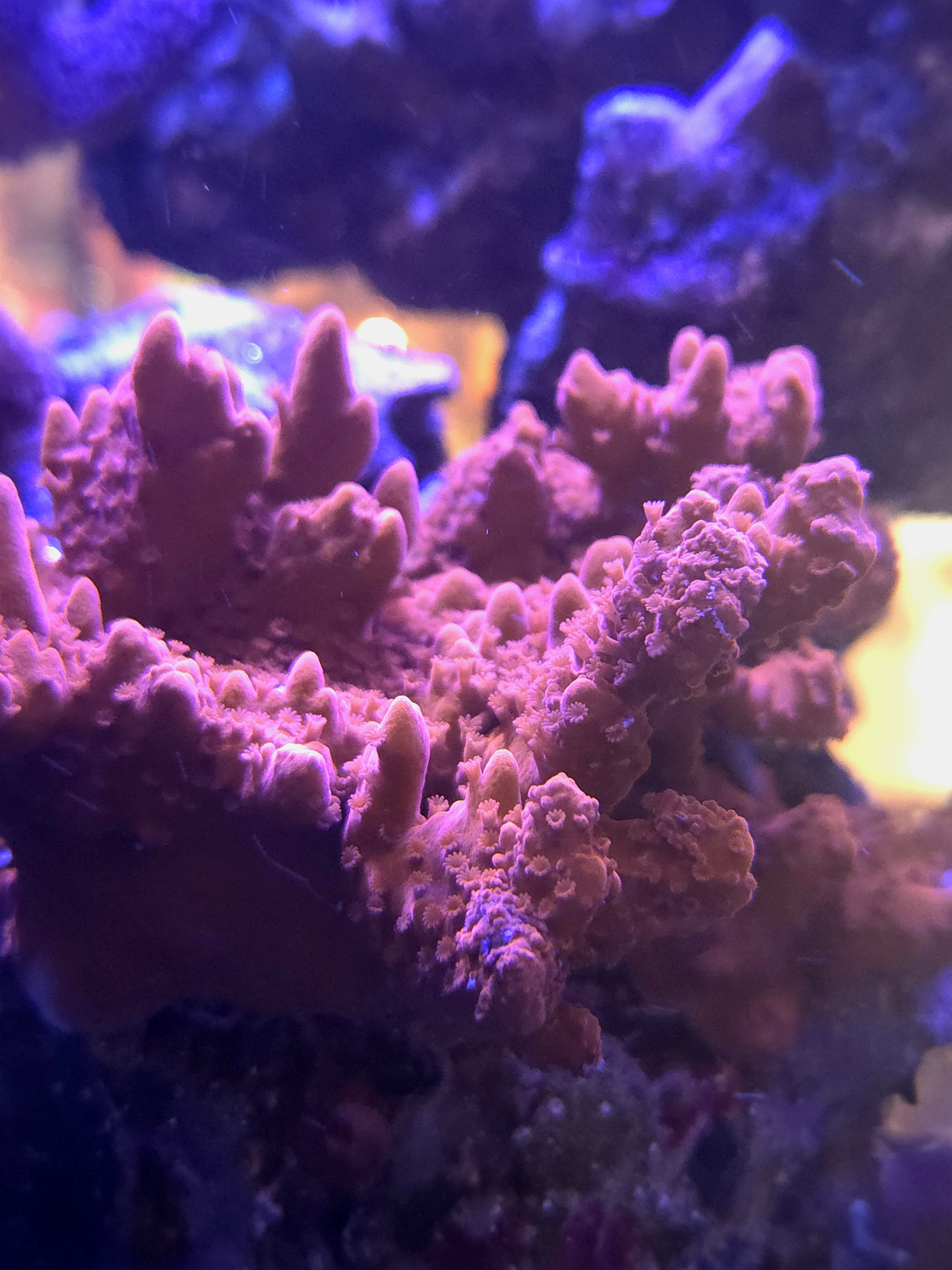
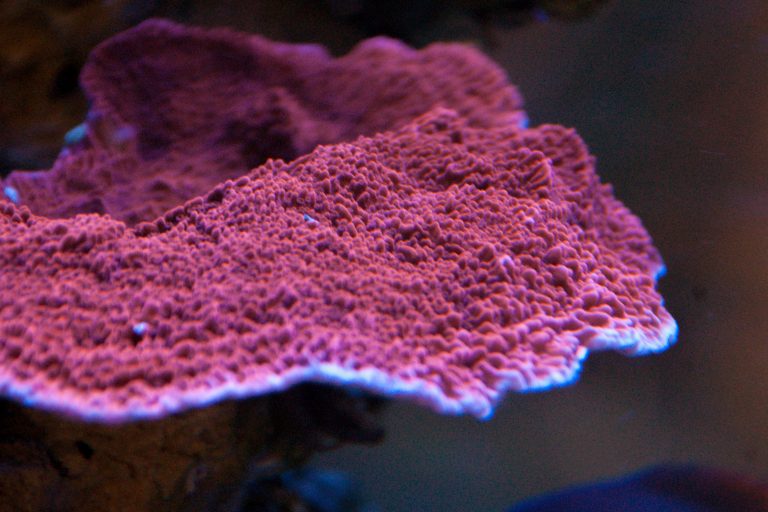
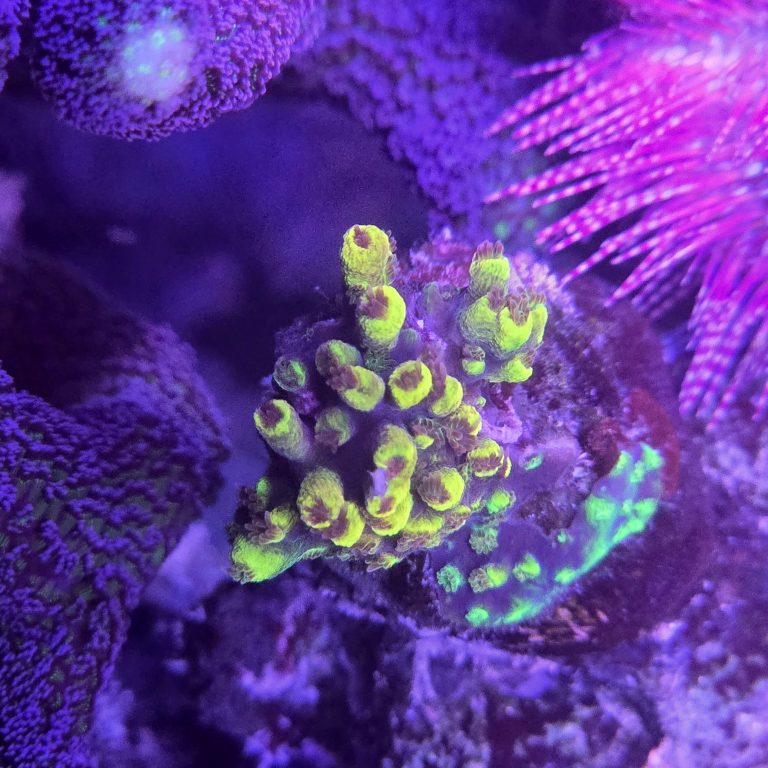
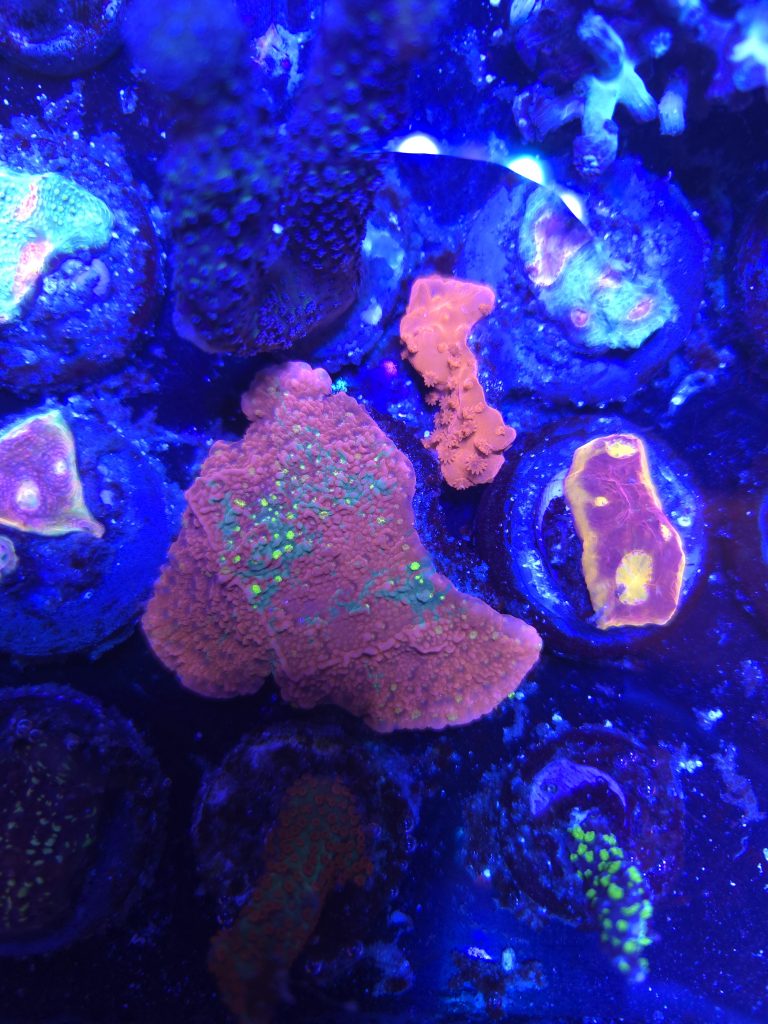
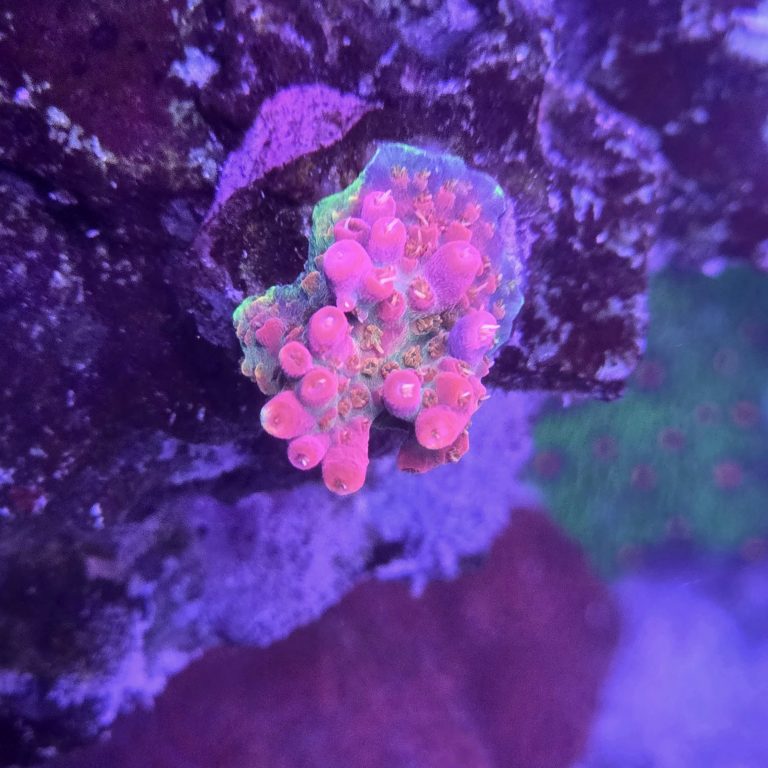
Montipora setosa is a striking SPS coral with glowing orange to pink branches. It stays relatively small and is perfect for colorful reef scapes. With stable conditions, this coral grows quickly and forms dense, eye-catching clusters.
Understanding Montipora Setosa and Its Care Requirements
Montipora setosa prefers stable, clean water. Aim for 78–80°F temperature and 1.025–1.026 salinity. Keep alkalinity between 8–9 dKH and calcium around 420–450 ppm. Magnesium should sit near 1300–1400 ppm for steady skeleton growth.
This coral enjoys moderate light. PAR levels around 150–250 work well for most tanks. Too much light can bleach the tissue. Too little light causes dull color and slow growth. Start the frag lower in the tank and move it up slowly over two to three weeks.
Flow should be moderate and indirect. Strong, direct flow can strip tissue from branches. Gentle random flow helps remove slime and bring food and nutrients. Use alternating powerhead patterns rather than a single constant blast.
Place Montipora setosa on a stable rock ledge. Leave space from aggressive neighbors like favias and euphyllias. As it grows, it can shade lower corals, so plan the layout ahead of time.
- Keep nitrate between 5–15 ppm for color and growth.
- Maintain phosphate around 0.03–0.08 ppm.
- Test alkalinity at least twice per week.
- Use an auto top-off to avoid salinity swings.
Feeding, Placement, and Troubleshooting Tips
Montipora setosa gets most energy from light and dissolved nutrients. Direct feeding is optional but helpful. Target feed once or twice weekly with fine coral foods. Turn off flow for 10–15 minutes so food can settle on the polyps.
For placement, avoid very low nutrient systems at first. Ultra-low nutrients can cause pale tissue and slow growth. In new tanks, wait at least six months before adding this coral. It prefers a mature, stable system with consistent parameters.
- Acclimate new frags with a 30–45 minute drip method.
- Dip all new pieces to remove pests like nudibranchs.
- Quarantine SPS in a separate frag tank when possible.
Watch for common issues. Faded color often means low nutrients or too much light. Burnt tips usually point to rapid alkalinity swings. Receding tissue from the base can signal pests, unstable parameters, or very low flow.
If problems appear, test everything before reacting. Check temperature, salinity, alkalinity, calcium, magnesium, nitrate, and phosphate. Make only one change at a time and adjust slowly. Large, sudden corrections often stress SPS more than the original issue.
- Keep daily temperature swings under 1°F.
- Aim for less than 0.3 dKH alkalinity change per day.
- Clean light lenses and check PAR every few months.
- Frag healthy tips if a branch starts to die back.