Green Florida Ricordia
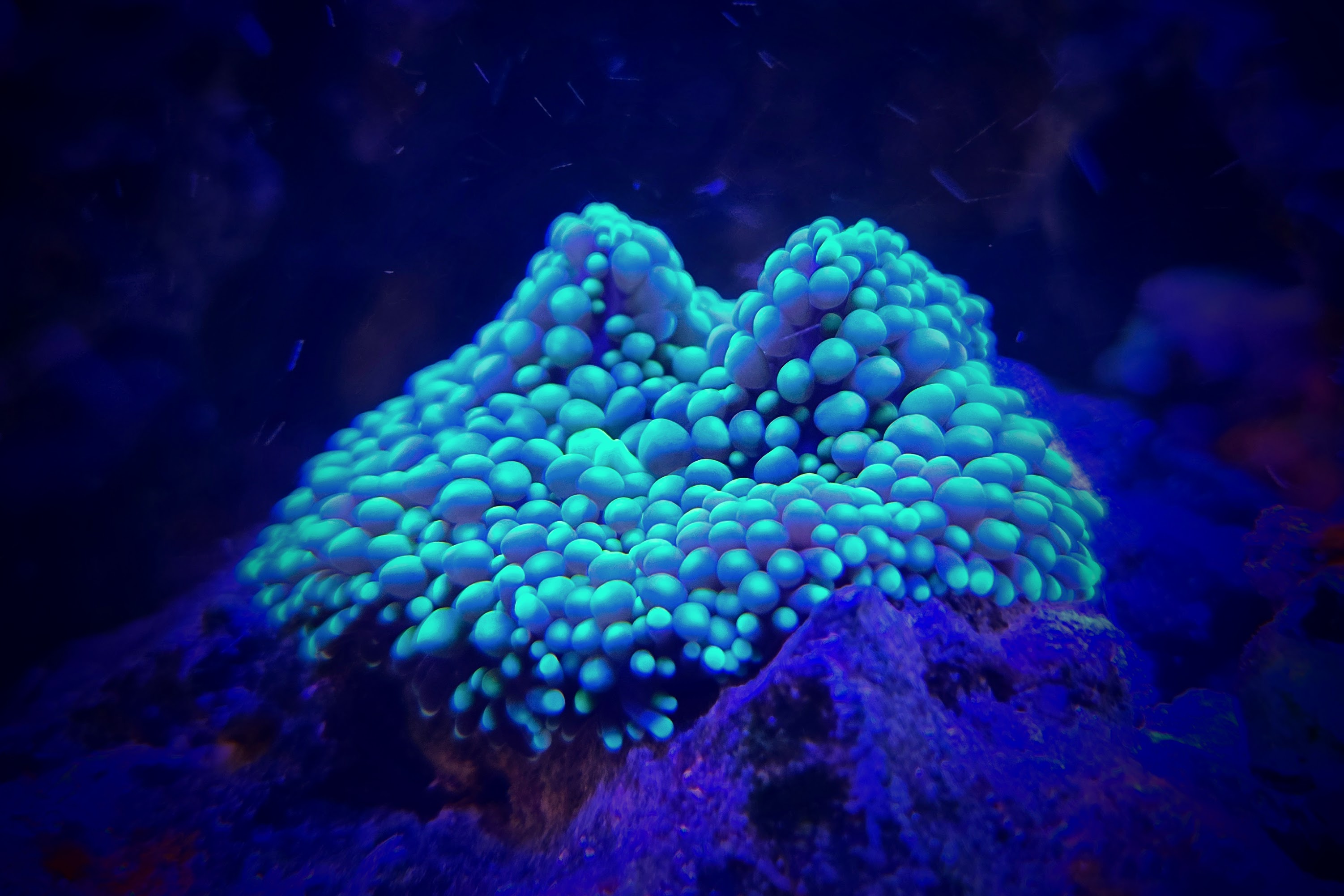
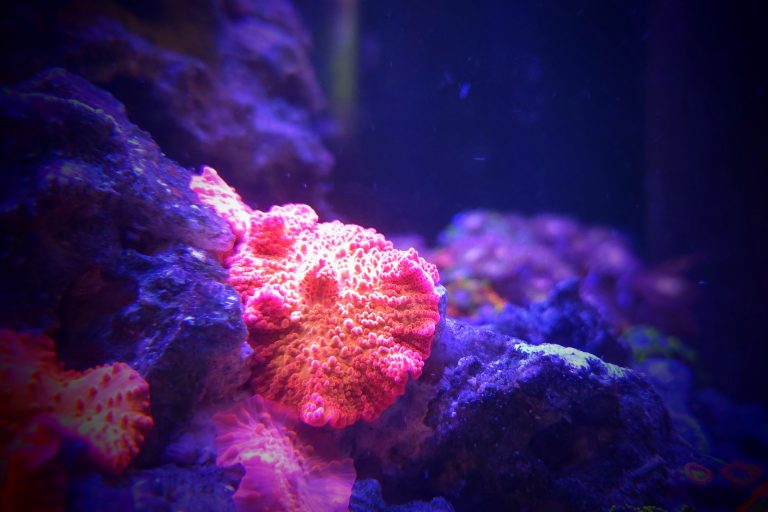
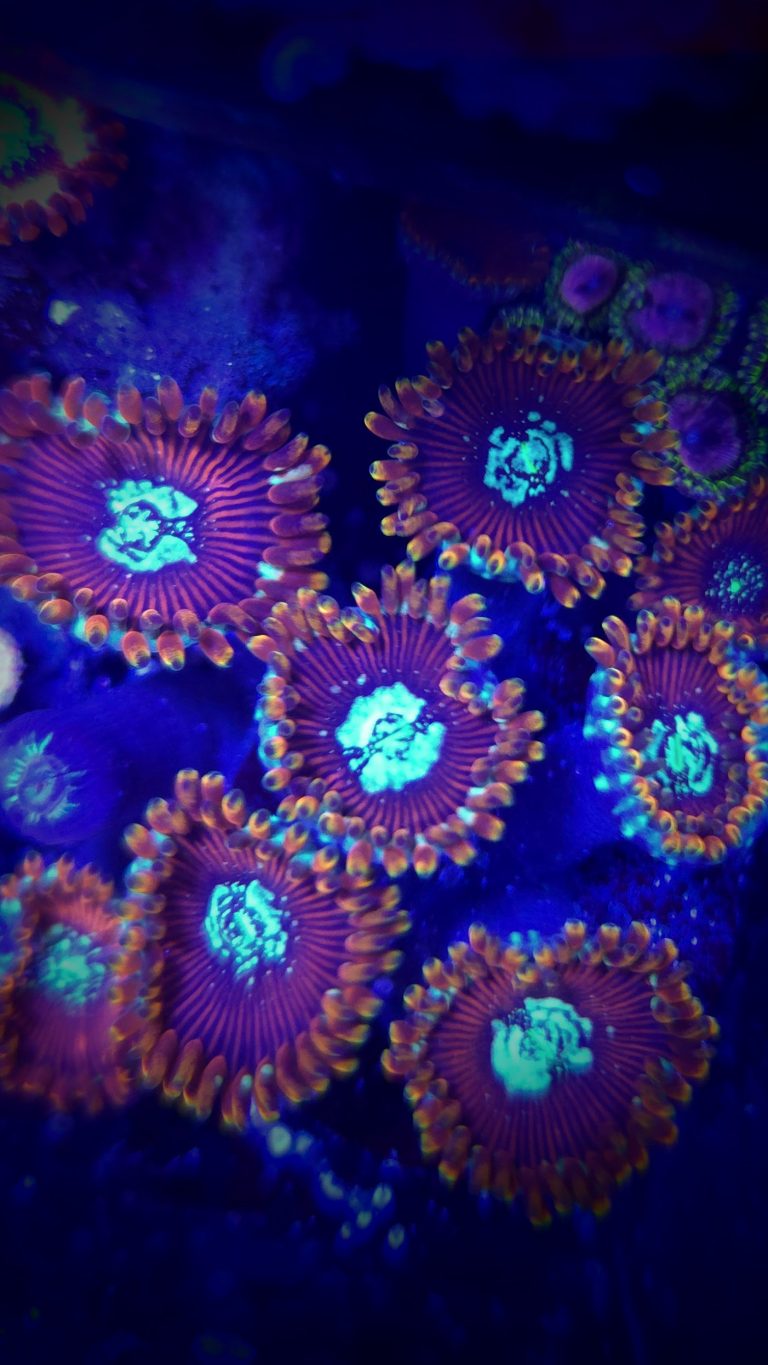
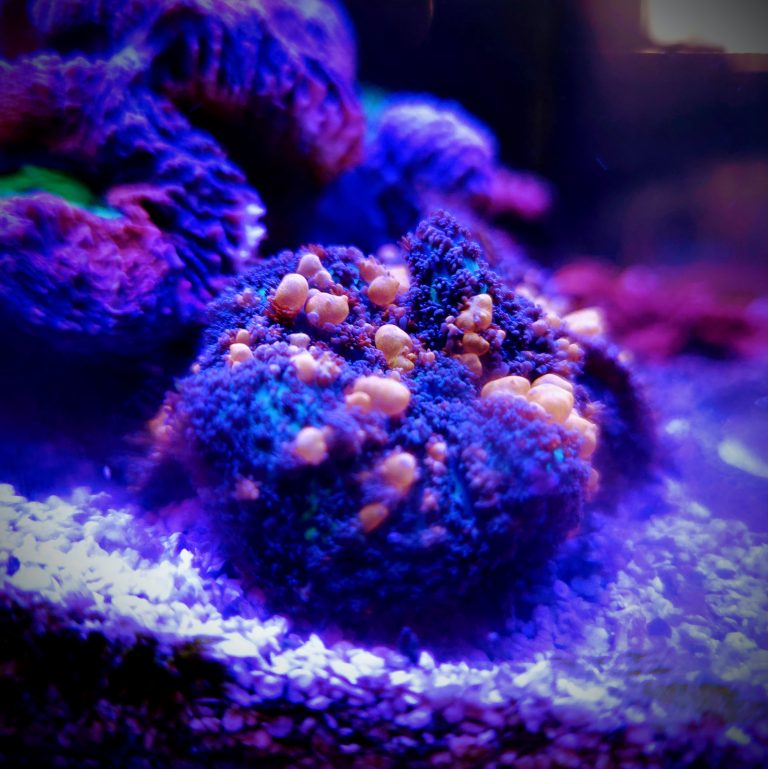
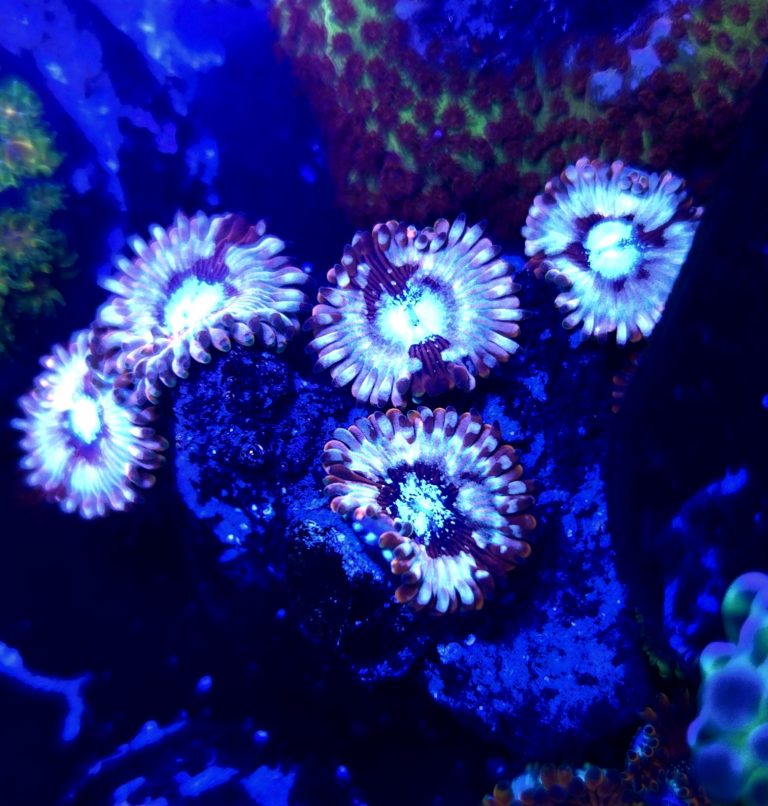
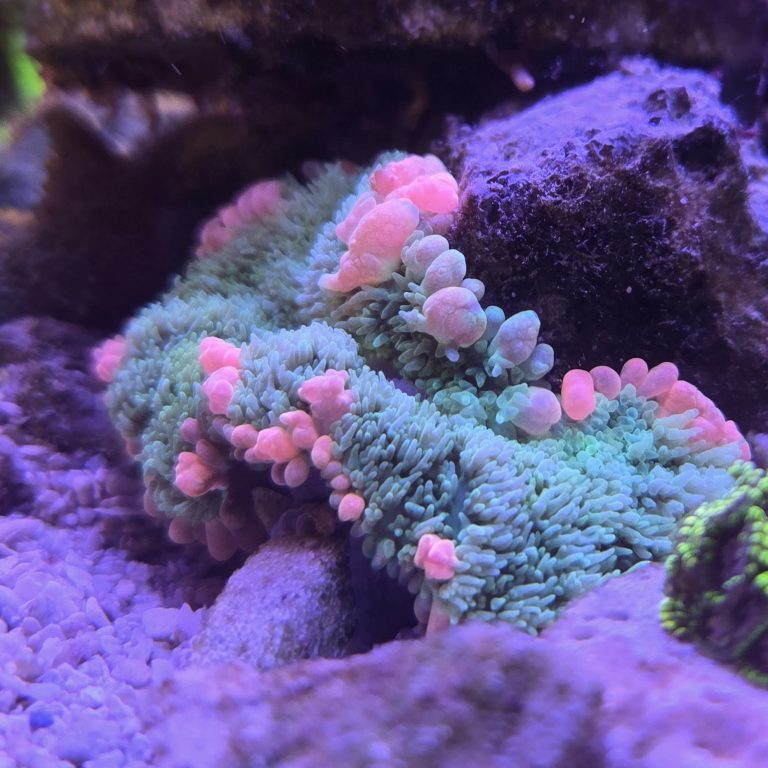
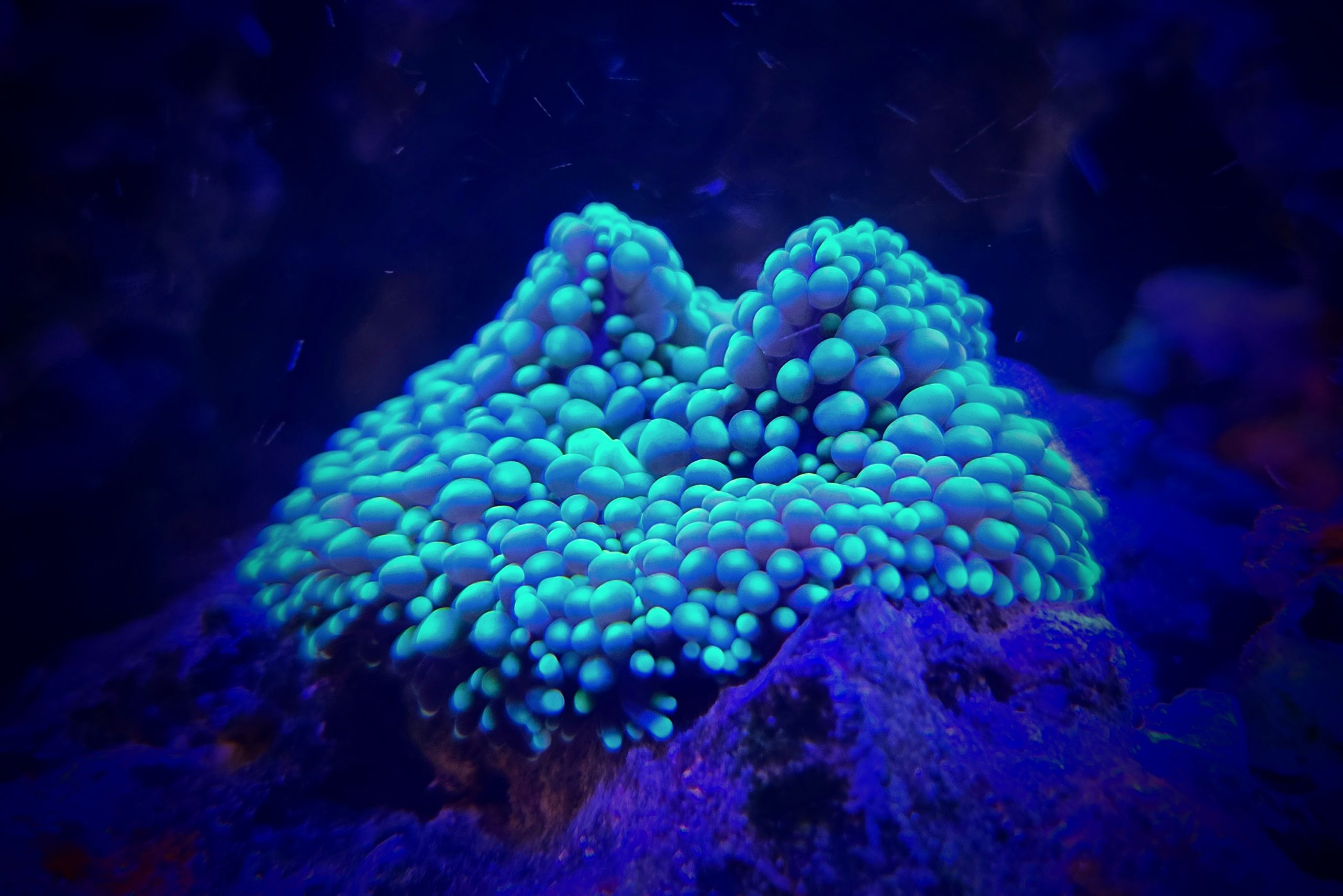
Green Florida Ricordia are colorful, hardy mushrooms that suit many reef tanks. They offer bright green glow, interesting texture, and gentle movement. With the right care, they grow into dense, eye-catching colonies.
Green Florida Ricordia Basics and Placement
Green Florida Ricordia are actually corallimorphs, not true stony corals. They have a soft, bumpy surface covered in tiny bubbles. Most pieces come attached to small rocks or rubble. This makes them easy to place and move.
They prefer moderate light. Aim for PAR between 80 and 150 at the coral. Under stronger LEDs, start them lower in the tank. Then move them up slowly over two to three weeks. Watch for signs of stress like gaping mouths or shrinking discs.
Water flow should be gentle to moderate. The polyps should sway, not flap hard. Too much flow can cause them to detach from the rock. Too little flow can trap debris on the surface. This can lead to irritation and tissue damage.
- Place them on the sand bed or lower rockwork first.
- Keep at least 2–3 inches from aggressive LPS corals.
- Avoid direct blast from powerheads or wavemakers.
Care, Feeding, and Growth Tips
Green Florida Ricordia do best in stable reef parameters. Keep temperature between 76–78°F. Salinity should stay near 1.025 specific gravity. Aim for alkalinity between 8–9 dKH, calcium 400–440 ppm, and magnesium 1300–1400 ppm. Nitrates around 5–15 ppm and phosphates 0.03–0.08 ppm usually work well.
They contain zooxanthellae, so they get energy from light. However, they also enjoy target feeding. Offer small meaty foods once or twice per week. Use mysis shrimp, finely chopped krill, or reef roids. Turn off flow for 10–15 minutes during feeding. Gently place food on the mouth with a turkey baster.
- Do 10–15% water changes every week or two.
- Run activated carbon to remove chemical toxins.
- Use a stable dosing schedule for alkalinity and calcium.
Common problems include shrinking, bleaching, and detaching. Shrinking often means too much light or flow. Try moving the coral to a shadier, calmer spot. Bleaching suggests sudden light changes or poor nutrients. Lower light intensity by 20–30% and feed a little more. If a Ricordia detaches, place it in a shallow cup with rubble and low flow. Many will reattach in one to two weeks.
- Quarantine new Ricordia to avoid pests like nudibranchs.
- Dip new frags using a reef-safe coral dip for 5–10 minutes.
- Check at night with a flashlight for hidden predators.